
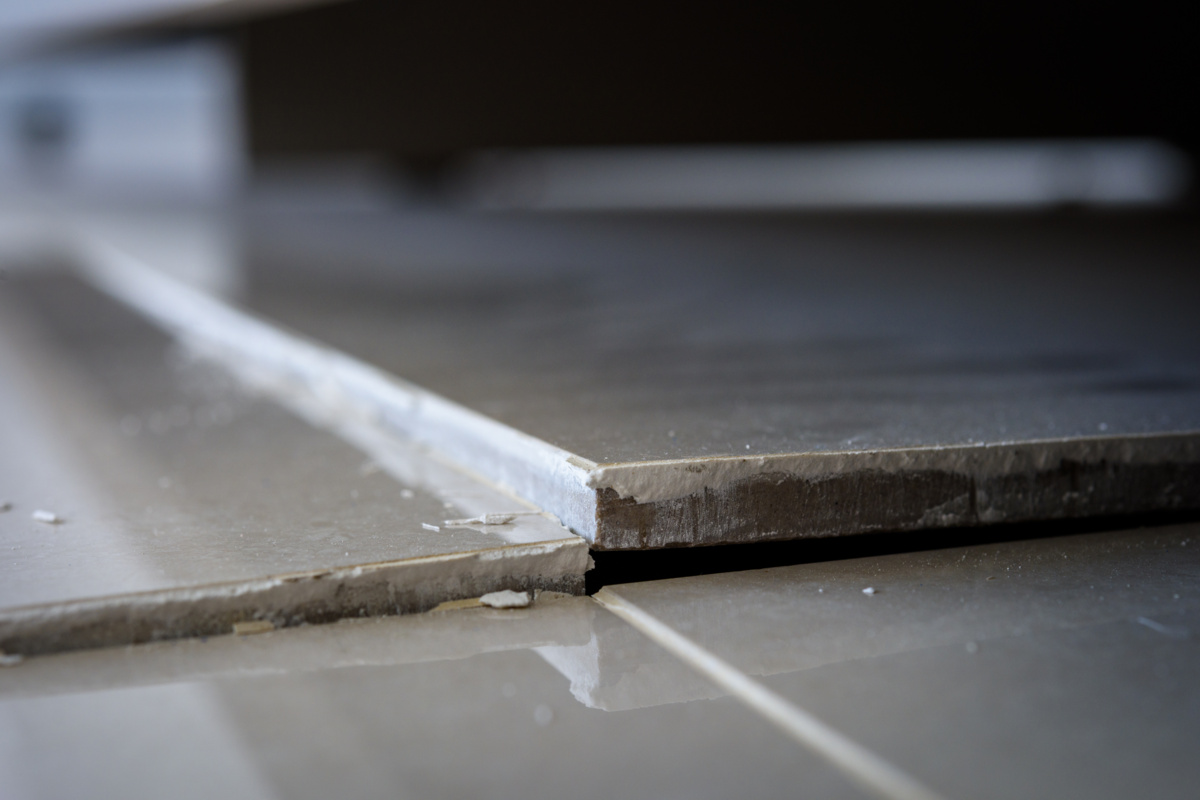
Uneven floors are one of the most common warning signs homeowners notice when something structural starts to shift. Sloping surfaces, soft spots, and visible dips often point to deeper issues below the floor system. Uneven floors rarely correct themselves. They usually worsen as soil movement, moisture, and structural stress continue. Identifying the cause early protects the home’s structure, prevents costly repairs, and helps preserve long-term property value.
Our team at KC Pier works with homeowners across the Kansas City area to diagnose these issues properly and install permanent structural solutions, not surface-level fixes.
Why Uneven Floors Are a Structural Warning, Not a Cosmetic Problem
Uneven floors affect more than appearance. They often indicate compromised load-bearing systems and foundation movement.
Common risks include:
- Structural stress on walls and framing
- Door and window misalignment
- Cracked drywall and ceilings
- Plumbing strain and pipe damage
- Long-term foundation instability
Key Takeaway: Floor problems almost always connect to soil conditions, moisture exposure, or foundation performance. Cosmetic fixes hide symptoms. Structural repairs fix causes.
Primary Causes of Uneven Floors in Kansas City Homes
Foundation Settlement and Soil Movement
Kansas City’s expansive clay soils expand when wet and shrink during dry periods. Over time, this movement causes foundations to settle unevenly, shifting load paths and floor elevations.
Moisture Intrusion and Drainage Failures
Poor grading, clogged gutters, and improper drainage systems saturate the soil around the foundation. Wet soil loses load-bearing strength, leading to sinking and movement.
Crawl Space Support Failure
Failing beams, sagging joists, and deteriorated support posts allow floors to dip and flex. Moisture and age accelerate this process.
Structural Framing Degradation
Wood rot, termite damage, and material fatigue weaken the floor system itself. Structural integrity declines gradually, often unnoticed at first.
Foundation Wall Movement
Bowing or shifting foundation walls changes how weight transfers through the structure, creating uneven pressure points beneath floors.
Improper Construction or Remodeling
Inadequate footings, poor load distribution, and structural shortcuts create long-term instability that shows up in flooring systems.
Signs Your Uneven Floors are a Structural Issue
Sloping or Soft Floor Sections
Areas that feel bouncy or tilted often indicate failing supports or soil settlement.
Cracked Drywall and Wall Separation
Interior cracks often mirror structural movement below.
Doors and Windows Sticking
Frame distortion signals shifting load paths.
Flooring Separation and Cracked Tile
Rigid materials expose movement quickly.
Gaps Between Walls and Floors
Visible gaps often reflect foundation displacement.
Pro Tip: If multiple signs appear together, the issue is almost always structural and not surface-level.
When Uneven Floors Become a Safety Risk
- Trip hazards
- Load-bearing failure risk
- Water intrusion pathways
- Mold development
- Insurance claim complications
- Long-term property value loss
How KC Pier Fixes Uneven Floors the Right Way
Foundation Piers (Settlement Correction)
We install push piers and helical piers to transfer the structure’s weight to stable soil layers, restoring proper elevation and long-term stability.
Crawl Space Support Systems
SmartJack systems and reinforced beam supports stabilize sagging floor systems and redistribute structural loads properly.
Foundation Stabilization Systems
Wall reinforcement and structural stabilization prevent further movement and protect load-bearing integrity.
Drainage and Moisture Control Solutions
Moisture management systems stabilize soil conditions and protect foundation performance.
Need expert help with foundation or floor stabilization? Contact KC Pier today for a free structural inspection and consultation.
Why Cosmetic Fixes Don’t Work for Structural Floor Problems
Surface repairs do not solve structural movement. These include:
- Self-leveling compounds
- Shimming floor joists
- Subfloor replacement alone
- Floor coverings and overlays
These methods temporarily hide symptoms but allow underlying movement to continue.
Key Takeaway: Structural problems require structural solutions.
Repair Strategy: Diagnosis Before Solutions
Structural Inspection Process
We evaluate foundation systems, framing, and load transfer points.
Soil and Load Analysis
Soil conditions and structural weight distribution determine repair strategy.
Foundation Assessment
Cracks, settlement patterns, and movement history guide system selection.
System Selection Logic
Each repair plan matches the cause, not just the symptom.
Long-Term Stabilization Planning
Our approach focuses on permanent stabilization, not temporary correction.
Why Homeowners Trust KC Pier for Structural Repairs
- Foundation-first diagnostics
- Proven stabilization systems
- Long-term repair solutions
- Kansas City soil expertise
- Permanent structural correction
- Warranty-backed repairs
- Local experience and accountability
Schedule a Professional Structural Inspection
Uneven floors are a warning sign. They point to deeper issues that require proper diagnosis and engineered repair solutions. Our team provides clear evaluations, honest recommendations, and permanent stabilization systems that protect your home for the long term.
If you are seeing signs of structural movement, now is the right time to act. Schedule a professional inspection with KC Pier and get a clear repair plan that protects your investment and your home’s safety. Your structure deserves real solutions, not surface fixes for uneven floors.