
If you’ve noticed cracks in your walls, sticky doors, or uneven floors, don’t rush into a fix. Kansas City’s clay soil and seasonal shifts cause foundation problems that often look alike but need different repairs. Knowing how to identify foundation problems before choosing Kansas City foundation repair can save you time and money. We’ll guide you through the key signs and what to check at home so you feel confident about your next steps. For more insights, check out this guide.
Understanding Kansas City Soil Behavior
To understand why your home might be having foundation issues, you first need to know about the soil under it. Let’s explore how Kansas City’s unique soil impacts your home.
KC Clay Soil Movement
Kansas City’s soil is mostly clay, which expands and contracts based on moisture levels. When it rains, the clay absorbs water and expands. In dry spells, it contracts. This constant shifting can push and pull on your foundation. Think of it like a sponge that changes size depending on how much water it holds. This movement can create pressure on the foundation walls, leading to cracks or shifts.
Homeowners often notice these movements as small, frequent changes in their home’s structure. It’s not just rain that affects this; even your home’s drainage system plays a role. If water doesn’t flow away from your house properly, it can worsen the effects of this soil behavior. Adding downspout extensions can help direct water away.
Seasonal Foundation Movement
Seasons also bring changes. In winter, the ground can freeze, causing the soil to harden and lift. In spring, thawing leads to settling. Many Kansas City homes experience these seasonal shifts, which can stress the foundation.
During wet seasons, the soil expands, and during dry seasons, it contracts. This cycle stresses your foundation, causing noticeable issues. Regular inspection around these seasonal shifts can help spot problems early. For more on what to watch out for, see this YouTube video.
Common Foundation Symptoms
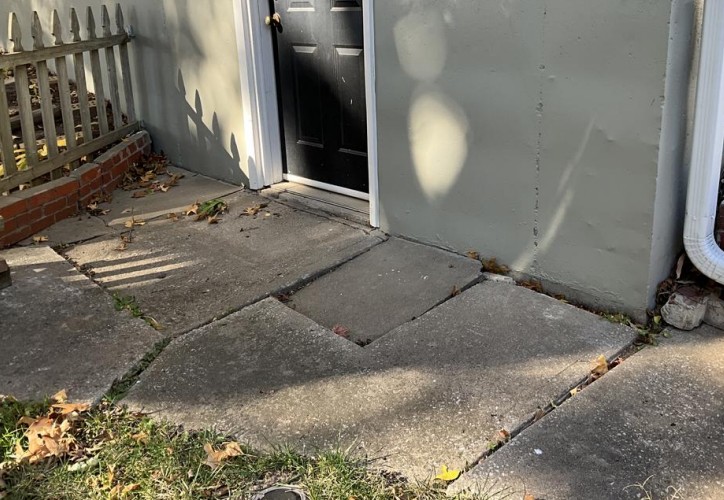
Once you understand soil movement, you’ll start noticing its symptoms. These signs give clues about what might be happening below your home.
Home Foundation Cracks
Cracks in your walls or floors are often the first sign of trouble. They can appear as hairline fractures or wider gaps and often run vertically or horizontally. These cracks can result from pressure from expanding soil or from settling.
Small cracks might not seem urgent, but they can grow over time. If ignored, they can lead to more significant issues like water intrusion. Keep an eye on them and note any changes. If they widen or new ones appear, it might be time to call a professional. Understanding whether they indicate settlement or other issues is vital. Consider reading more about foundation cracks to know when to take action.
Sticking Doors and Uneven Floors
When doors stick or floors feel uneven, it’s often due to the foundation shifting. As the soil moves, it can cause these parts of your home to warp or tilt. This is a common experience in homes with clay soil foundations.
Check around doors and floors for signs of misalignment. These changes can be gradual, so regular checks are helpful. It’s not just a nuisance; it’s a sign that the foundation needs attention. For more detailed information on identifying these issues, see this Reddit discussion.
Bowing Basement Wall Repair
Bowing walls in your basement are a serious concern. They bow inward due to the pressure from expanding soil outside. This can compromise the structural integrity of your home.
If you notice this issue, act quickly. Reinforcing the walls or relieving the soil pressure might be necessary. It’s one of the more alarming symptoms, but addressing it early can prevent costly repairs later. Read about foundation repair vs. replacement to understand the options available.
Diagnostic Checklist and Techniques
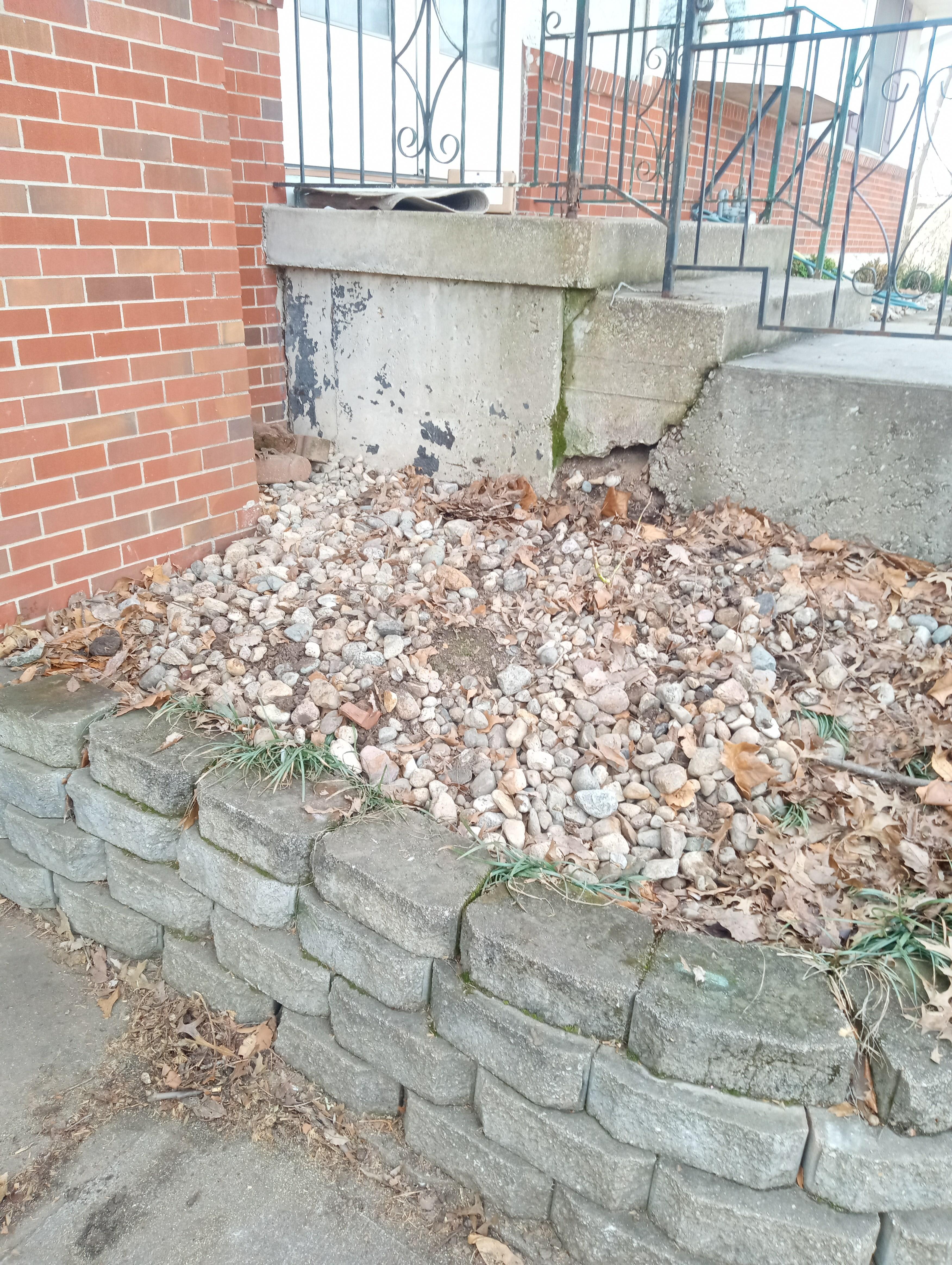
Having noticed symptoms, you may wonder what’s next. A thorough diagnosis saves time and money, ensuring you address the right problem.
At-Home Checklist for Homeowners
Before calling in the pros, you can do a simple check yourself. Walk around your property and take note of any issues:
-
Inspect Cracks: Measure them. Are they growing?
-
Check Doors and Windows: Do they stick or not close properly?
-
Look at Floors: Are they uneven or sloped?
-
Examine Walls: Do you see any bowing or bulging?
These simple steps can provide insight into what’s happening with your foundation. Document your findings to share with professionals later.
Professional Foundation Inspection Steps
Experts follow a detailed process to identify issues accurately. Here’s what they typically do:
-
Visual Inspection: They look for obvious signs of stress or movement.
-
Measurement: Using tools, they measure cracks and shifts.
-
Soil Analysis: Understanding the soil condition can reveal much about the cause.
-
Drainage Assessment: Proper drainage is crucial; they’ll check its effectiveness.
These steps ensure a comprehensive understanding of the foundation’s condition. A professional inspection provides peace of mind and a path forward.
Importance of Drainage and Grading in Kansas City
Proper drainage and grading can prevent many foundation issues. Water should flow away from your home, not pool around it. This prevents the soil from expanding too much and causing stress on the foundation.
Grading means having the ground slope away from the house. It’s a simple fix that can prevent significant problems. Regularly check gutters and downspouts to ensure they’re directing water away effectively. Consider sump pump installation in KC for extra protection.
Frequently Asked Questions
What causes foundation cracks?
Foundation cracks often result from soil movement. Changes in moisture levels cause the soil to expand and contract, putting pressure on your home’s foundation.
How can I prevent sticking doors and uneven floors?
Ensure your home has proper drainage. This reduces soil expansion, which can cause these issues. Regularly inspect and maintain gutters and downspouts.
When should I worry about bowing basement walls?
Bowing walls are a serious concern. If you notice them, contact a professional immediately to assess the damage and recommend repairs.
How does Kansas City’s clay soil affect my foundation?
Clay soil expands and contracts with moisture changes. This puts pressure on your foundation, leading to potential cracks and shifts.
Why is drainage important for foundation health?
Proper drainage prevents water from pooling around your foundation, reducing the risk of soil expansion and potential damage to your home’s structure.
Subscribe or Call for a consultation today