Cracks in walls, uneven floors, doors that won’t close right—these are warning signs your Kansas City home’s foundation may be in trouble. But fixing the surface problems without knowing the real cause can lead to costly mistakes. Before you choose a repair, understanding the root issue through a thorough foundation inspection is key. Here’s how to spot what’s really going on and pick the right solution for your home. For more insights, visit this helpful resource.
Understanding Foundation Issues
Foundation problems can appear in many forms, from small cracks to significant structural shifts. Knowing these symptoms helps you avoid misdiagnosing the issue.
Identifying Foundation Symptoms
Are the floors uneven or doors sticking? These are typical signs of foundation trouble. Cracks, especially near doors and windows, can indicate shifting. If you notice water pooling around the foundation, it might be a clue pointing to drainage issues. This can lead to further complications like water intrusion into the basement. Keep an eye out for gaps between floors and walls, which might suggest foundation sinking or lifting.
Importance of Proper Diagnosis
A proper diagnosis saves you time and money by addressing the root issue, not just the symptoms. Without understanding what’s causing the problem, you might end up with a temporary fix that doesn’t last. A trained professional can help determine whether the issue stems from soil movement or water damage. This insight is crucial for selecting the best repair method.
Common Causes in Kansas City
Kansas City homes often face foundation issues due to the region’s clay-rich soil. This soil expands and contracts with moisture changes, leading to shifts in foundations. Seasonal weather variations can also stress your home’s structure. Understanding these local factors is essential for choosing the right repair.
Professional Diagnosis Process
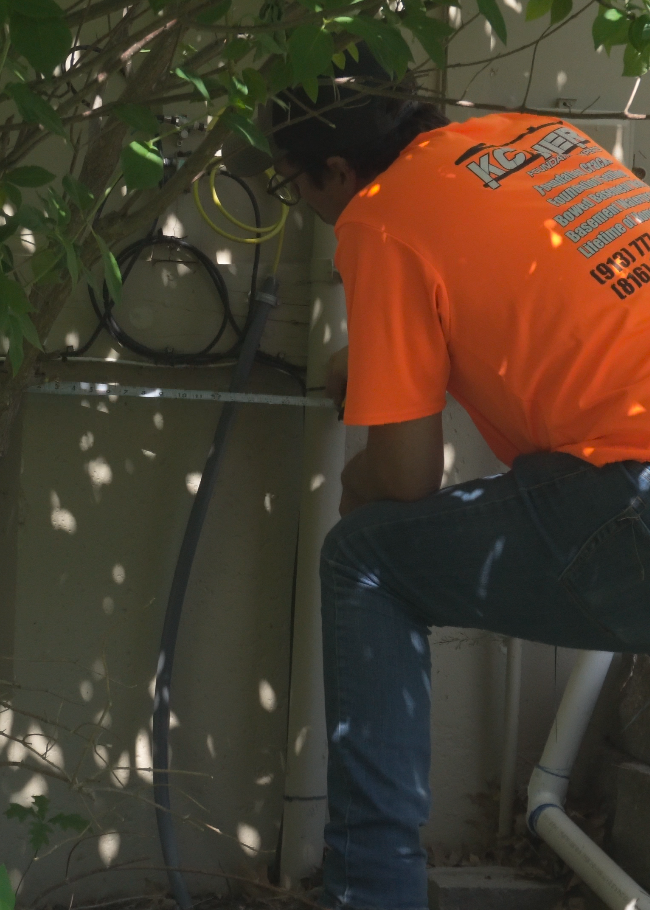
A professional diagnosis is key to effective foundation repair. Let’s explore how experts pinpoint the cause of your home’s issues.
Role of Foundation Inspection
Foundation inspections are critical in diagnosing issues accurately. Inspectors look beyond surface symptoms, examining soil conditions and structural integrity. They use specialized tools to measure movement and assess damage. This thorough process ensures that you get a complete picture of your foundation’s health.
Techniques for Accurate Diagnosis
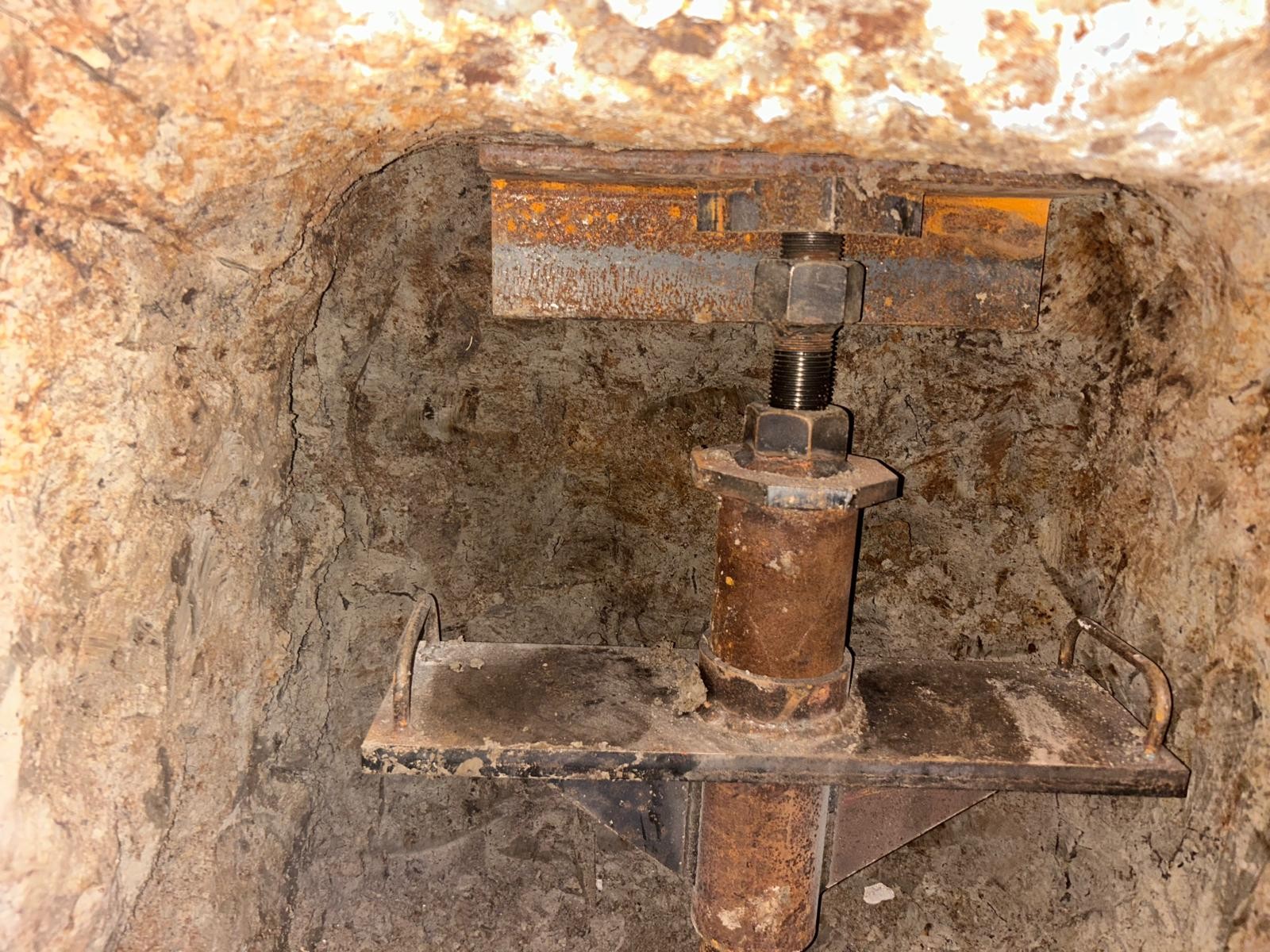
Professionals utilize various techniques to ensure accurate diagnosis. These include visual inspections and advanced tools like laser levels to check for tilt or shift. Soil tests reveal how the ground under your home behaves with moisture changes. By combining these methods, experts can recommend the best solution, whether it’s foundation piers or drainage improvements.
Differentiating Settlement vs Heave
Settlement and heave are common issues but require different solutions. Settlement occurs when the foundation sinks due to soil compaction, while heave involves the foundation rising. Identifying which one affects your home directs the appropriate repair strategy. Misdiagnosing these can lead to ineffective repairs and continued problems.
Choosing the Right Repair

Once you’ve identified the root cause, it’s time to explore repair options. Consider your choices carefully to find a cost-effective, lasting solution.
Evaluating Repair Options
Not all repairs are created equal. Foundation cracks may be addressed with epoxy injections or carbon fiber straps. Bowing walls might require wall anchors or helical piers. Each option has pros and cons depending on the specific issue and your budget. Consulting with local experts ensures you choose the most effective method for your situation.
Cost-Effective Solutions Explained
Choosing affordable repairs without sacrificing quality is crucial. Solutions like polyjacking provide an economical way to lift sinking concrete. For water issues, interior drain tiles or sump pump systems can prevent future problems. Being informed about these options helps you make budget-friendly decisions.
Importance of Transferable Warranty
A transferable warranty gives you peace of mind and adds value to your home. If you ever decide to sell, a warranty reassures buyers that the repairs are covered. This benefit can be a significant selling point and protect you from future costs.
Frequently Asked Questions
What are the common signs of foundation problems?
Common signs include cracks in walls, uneven floors, and doors that don’t close properly. Water pooling around the foundation might also indicate issues.
How can I be sure of the right repair method?
Consult with a foundation expert for a thorough inspection and diagnosis. They will recommend solutions based on your home’s specific problems.
Why is a transferable warranty important?
A transferable warranty protects you and future owners, ensuring that foundation repairs are covered. This adds value and peace of mind for buyers.
Can foundation issues affect my home’s value?
Yes, unresolved foundation problems can decrease your home’s value. Addressing them promptly with a reliable repair method can preserve and even enhance your investment.
What causes foundation problems in Kansas City?
The region’s clay-rich soil and seasonal weather changes lead to expansion and contraction, which can stress foundations over time.
Subscribe or Call for a consultation today