
Cracks in your foundation can spark real worry. You’re staring at those lines in your basement wall or that uneven floor, unsure if it’s just surface damage or a sign of something more serious. This guide will help you spot the difference between structural vs cosmetic foundation cracks, explain common causes here in Kansas City, and show you the smart next steps to protect your home. For more details, check out this resource.
Identifying Foundation Cracks
Foundation cracks can be alarming, but not all indicate a serious problem. Understanding the difference between types of cracks is vital for Kansas City homeowners in deciding what action to take.
Structural vs Cosmetic Foundation Cracks
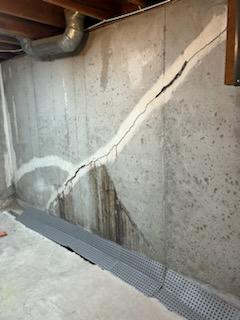
Structural cracks are more serious, often wider than a quarter of an inch. They might zigzag like a stair-step pattern in brick or run horizontally in basement walls. These can indicate movement or settling, which requires attention. Cosmetic cracks are typically smaller and often occur in plaster or drywall due to minor settling or temperature changes. They are less concerning but should still be monitored to ensure they don’t worsen over time.
Common Kansas City Crack Causes
Kansas City’s unique soil conditions contribute to foundation issues. Expansive clay soils react to moisture, swelling when wet and shrinking when dry. This can cause foundations to shift, leading to cracks. Weather patterns, including heavy rains and droughts, exacerbate soil movement. Knowing the local factors can help you anticipate and address potential problems early.
Vertical Crack Drywall vs Concrete
Vertical cracks in drywall are usually less concerning than those in concrete. Drywall cracks often result from minor settling or temperature changes. In contrast, vertical cracks in concrete may signal foundation settling or movement. Keeping an eye on crack progression can help determine if professional intervention is necessary.
Assessing Foundation Movement
Recognizing signs of foundation movement early can save you from extensive repairs. Let’s break down key indicators and what they mean for your home.
Signs of Structural Movement
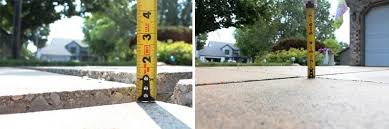
Look for sticking doors, uneven floors, or windows that won’t close properly. These signs suggest your foundation may be shifting. Cracked bricks, especially stair-step patterns, can also indicate structural movement. If you notice these signs, it’s time to consider a professional assessment to prevent further damage.
Settlement vs Shrinkage Cracks
Settlement cracks occur as a house settles into its foundation, typically appearing within the first few years after construction. They’re usually vertical and not a major concern unless they widen significantly. Shrinkage cracks, on the other hand, result from concrete curing and are usually thin, appearing in random patterns. Understanding the type of crack helps in deciding the right course of action.
Bowing Wall Repair Kansas City
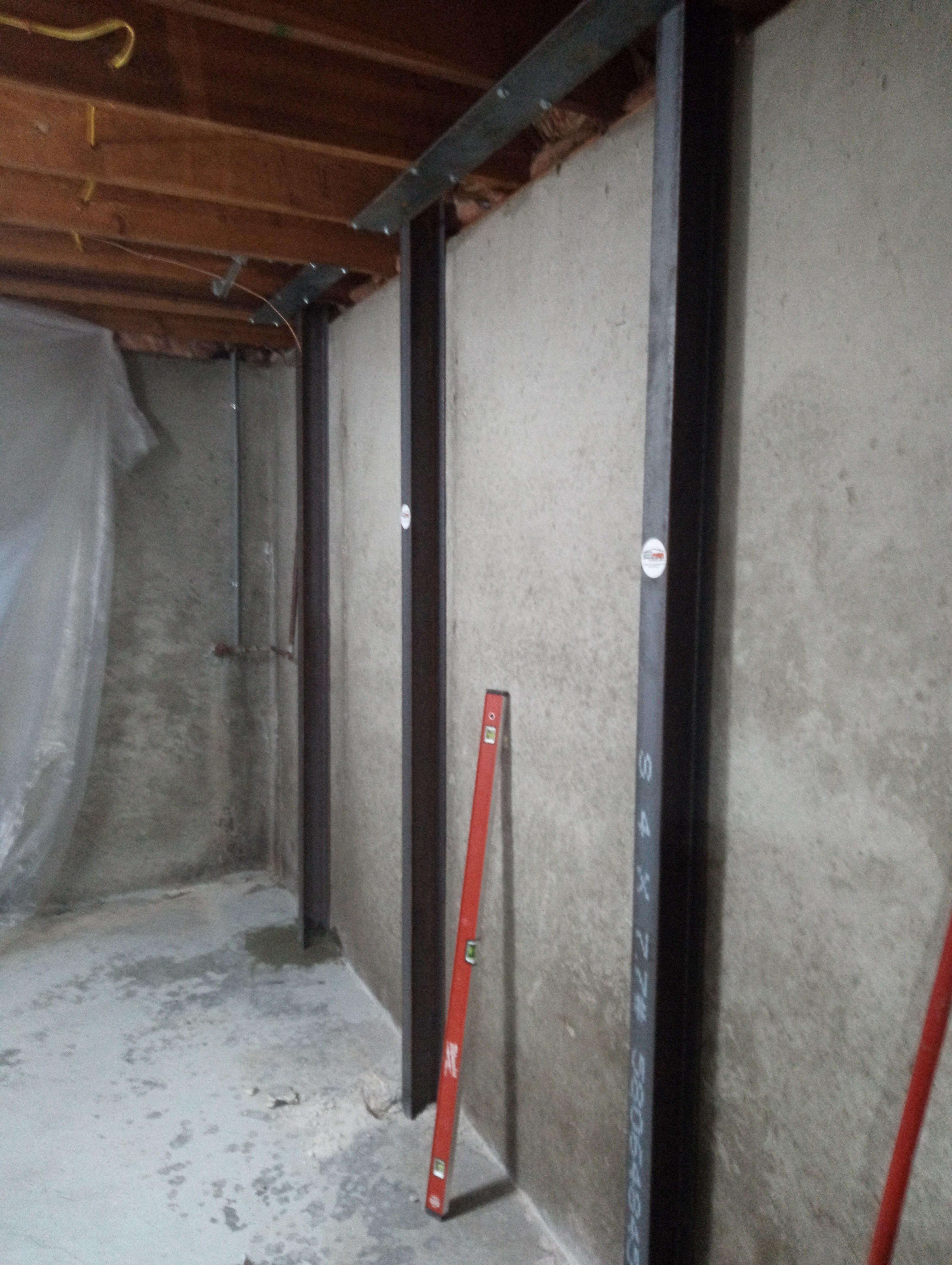
Bowing walls are a serious issue often caused by external pressure from expanding soil. Over time, this can compromise your home’s integrity. Bowing walls require immediate attention from professionals who specialize in Kansas City’s soil and foundation types. Repair options like wall anchors or braces can restore stability and prevent further bowing.
Professional Evaluation and Repair Options
A professional evaluation can provide peace of mind and guide you to the best repair options available for your specific situation.
Importance of Foundation Inspection Kansas City
Foundation inspections reveal the underlying causes of visible problems. In Kansas City, inspections are crucial due to the area’s soil and weather conditions. An expert can assess your foundation’s current state and predict future issues, helping you make informed decisions about repairs.
Helical Piers Kansas City and Push Piers Kansas City
For significant foundation movement, helical piers or push piers might be recommended. These piers are driven deep into stable soil to support and stabilize your foundation. They are particularly effective in areas with shifting soils, providing a long-term solution to prevent further settling or movement.
Transferable Lifetime Warranty Foundation Benefits
Opting for repairs with a transferable lifetime warranty offers added security. It ensures that the work is guaranteed for the life of the home, which can be a selling point if you decide to move. A warranty provides reassurance that the investment will protect your property value for years to come.
Frequently Asked Questions
How can I tell if a crack is structural or cosmetic?
Structural cracks are wider, often zigzag or horizontal, indicating foundation movement. Cosmetic cracks are smaller, usually vertical or hairline, and result from minor settling.
What causes foundation cracks in Kansas City?
The main cause is the expansive clay soil, which swells and shrinks with moisture changes. Weather patterns like heavy rain or drought also contribute to soil movement.
What should I do if I notice signs of foundation movement?
Contact a professional for an evaluation if you see sticking doors, uneven floors, or bowing walls. Early assessment can prevent extensive and costly repairs.
Are vertical cracks in drywall serious?
Vertical cracks in drywall are typically cosmetic, resulting from minor settling. However, if they appear in concrete, they might indicate more serious foundation issues.
What are the benefits of a transferable lifetime warranty?
This warranty provides long-term protection and assurance that repairs will endure. It’s also attractive to potential buyers, as it adds value to your home.
Subscribe or Call for a consultation today