

Foundation cracks, sticking doors, uneven floors—these signs can signal a settling foundation in your Kansas City home. But before rushing into repairs, it’s crucial to identify what’s really causing the problem. KC Pier knows local clay soil movement, drainage issues, and seasonal shifts all play a role. This guide walks you through simple checks and what a thorough foundation inspection Kansas City homeowners need to make confident choices without pressure. Learn more about foundation issues.
Understanding Foundation Problems
Foundation issues can be puzzling, but understanding them is key to making informed repair decisions. Let’s explore the common causes of these problems in Kansas City homes and how local conditions, such as clay soils and seasonal changes, contribute to foundation movement.
Common Causes of Foundation Issues
Most homeowners wonder what leads to foundation problems. The roots of these issues often lie in soil conditions. Poor drainage, plumbing leaks, and expansive clay soil are typical culprits. Clay soil, prevalent in Kansas City, tends to expand when wet and shrink when dry, causing stress on your home’s foundation. This stress can result in cracks, uneven floors, or sticking doors.
Hydrostatic pressure is another factor to consider. This pressure builds up from excess water in the soil around your foundation, pushing against the walls and leading to potential damage. Check out this guide for more insights into dealing with pressure-related foundation issues.
Impact of Kansas City Clay Soils
Kansas City’s clay soils are notorious for causing foundation issues. When it rains, the soil absorbs water and expands. During dry spells, it contracts. This constant movement can wreak havoc on your home’s foundation, leading to settling and cracking. Understanding how to manage clay soil can help you protect your home’s structure from damage.
Moreover, improperly managed water can exacerbate these conditions. Ensuring proper drainage around your home is crucial. Downspout extensions and maintaining a proper slope away from your foundation can prevent water from pooling near your home, reducing the risk of soil expansion.
Seasonal Changes and Foundation Movement
Seasons play a big role in how foundations behave. Kansas City experiences varied weather, which affects soil moisture levels. In winter, frozen soil can shift and heave, impacting your foundation. Spring brings rain, saturating the soil and increasing pressure on foundation walls.
Homeowners need to be proactive. Regularly check for signs of movement, especially during seasonal transitions. Simple maintenance tasks, like cleaning gutters and ensuring proper grading, can mitigate the impact of these natural changes on your foundation.
At-Home Foundation Checks
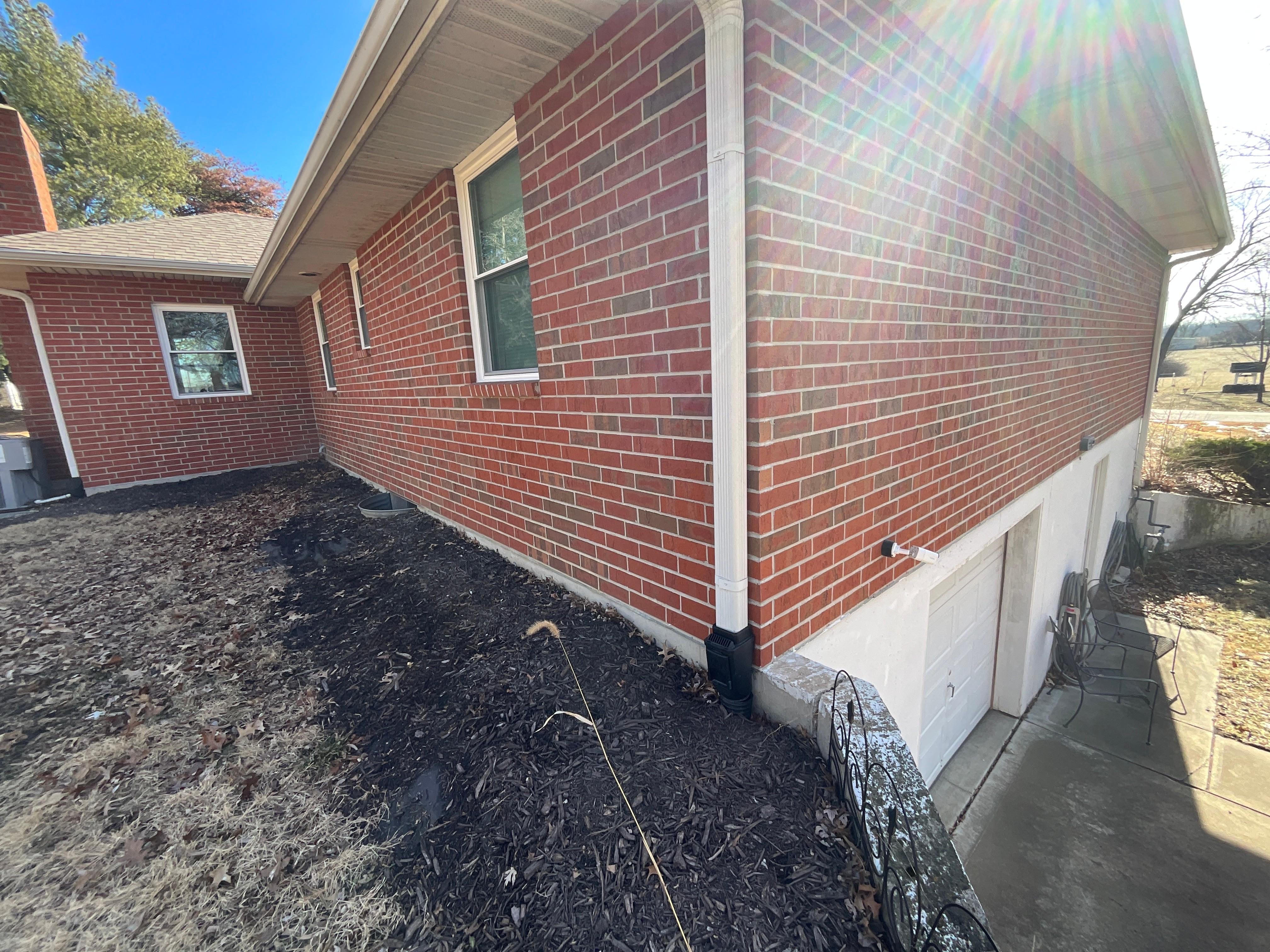
Before calling in the professionals, there are simple checks you can perform to assess potential foundation issues. Identifying these early can save you time and money in the long run.
Identifying Foundation Cracks
Cracks can be alarming, but not all indicate serious issues. Hairline cracks are often normal, resulting from the natural settlement of your home. However, wider cracks, especially those that are horizontal, could signal more serious problems.
Monitor any cracks you find. Use a pencil to mark their ends and check periodically to see if they grow. If they do, it’s time to seek professional advice. Keeping an eye on these signs can help you determine when to take the next step.
Checking for Sticking Doors and Uneven Floors
Sticking doors and uneven floors are common symptoms of foundation issues. If you notice doors that jam or floors that slope, it could be due to foundation settling. Place a marble on the floor; if it rolls, you may have uneven flooring caused by foundation movement.
While some sticking doors might be due to humidity, consistent problems should be checked out. Keeping track of these symptoms helps you decide when to consult with experts like KC Pier.
Examining Drainage and Grading Issues
Poor drainage can lead to significant foundation issues. Water pooling near your home can saturate the soil, leading to hydrostatic pressure. Inspect your gutters and downspouts regularly to ensure they’re directing water away from your foundation.
Check your yard’s grading. The ground should slope away from your house, preventing water from accumulating near the foundation. Simple fixes like adjusting downspout extensions can make a big difference in managing water effectively.
Professional Evaluation and Repair Options
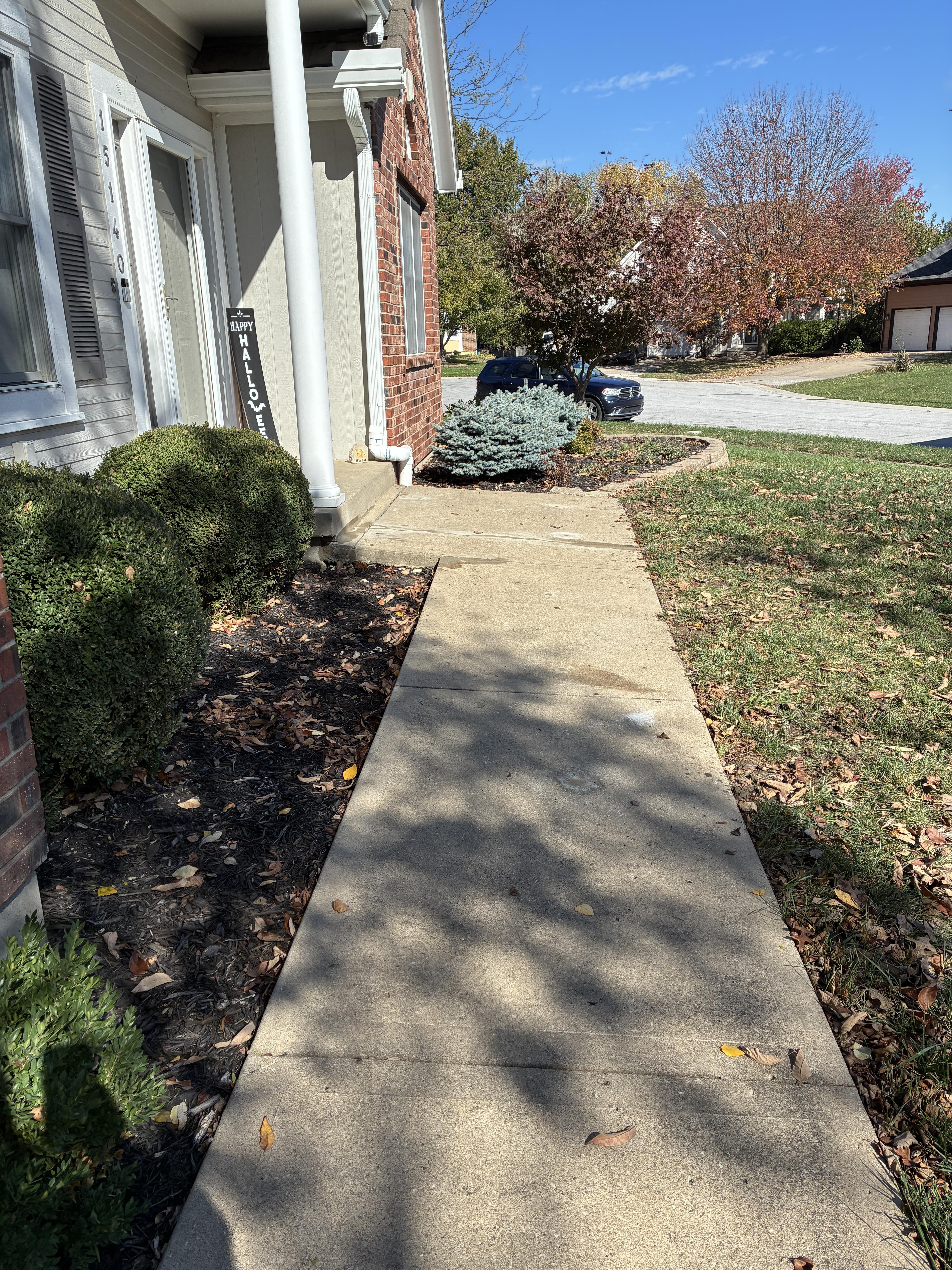
Once you’ve done your at-home checks, a professional evaluation can provide a thorough understanding of what’s happening beneath your home.
What a Foundation Inspection Includes
A comprehensive foundation inspection involves several key steps. Professionals will assess any visible damage, measure elevation changes, and examine soil conditions. They may also use tools to detect moisture levels and potential leaks.
This thorough evaluation helps pinpoint the root cause of foundation issues, enabling a tailored solution. An accurate diagnosis is crucial for effective repairs and prevents unnecessary work.
Exploring Repair Solutions with KC Pier
After identifying the problem, KC Pier offers various repair solutions. Options range from installing helical piers for stabilization to using carbon fiber straps for crack reinforcement. Each solution is customized to fit the specific needs of your home.
Choosing the right solution ensures longevity and peace of mind. KC Pier provides fair pricing and expert advice, helping you make the best decision for your home.
Importance of Transferable Warranties and Fair Pricing
Opting for repairs with a transferable lifetime warranty offers long-term security. This warranty ensures that the repair remains valid even if you sell your home, providing added value to potential buyers.
Fair pricing is another critical factor. KC Pier emphasizes transparency, ensuring you only pay for what you need. This commitment to fair pricing and reliable service builds trust and confidence in your repair decisions.
Frequently Asked Questions
What are the first signs of foundation issues?
Common signs include cracks in walls, sticking doors, uneven floors, and water in the basement. These symptoms indicate potential foundation movement.
How does Kansas City clay soil affect foundations?
Clay soil expands with moisture and contracts when dry, causing stress on foundations. Proper drainage and maintenance can help manage these effects.
What should a professional foundation inspection include?
A thorough inspection assesses visible damage, elevation changes, soil conditions, and moisture levels. This evaluation identifies the root cause of foundation issues.
Why is a transferable warranty important for foundation repairs?
A transferable warranty ensures that the repair’s benefits extend beyond the current homeowner, adding value to the property should you decide to sell.
How can I prevent future foundation problems?
Regular maintenance, proper drainage, and monitoring seasonal changes can help prevent foundation issues. Early detection and professional evaluations are also key.
Subscribe or Call for a consultation today