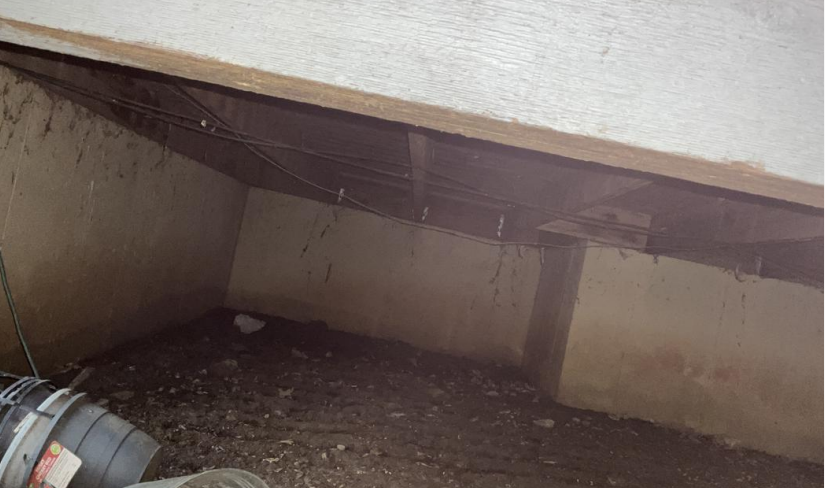
Sagging floors, musty smells, or doors that stick in your Kansas City home could signal more than just minor annoyances. Crawl space foundation repair issues often start quietly, but they can lead to costly damage if ignored. Before choosing a fix, understanding why these problems occur in KC’s unique clay soil is key. This guide breaks down what to watch for and how to pick the right repair for your home and budget. For more information, visit KC Pier.
Why Crawl Space Issues Occur
Understanding the root causes of crawl space problems can help you address them effectively. Let’s explore the common culprits in Kansas City.
Kansas City Clay Soil Movement
Kansas City is known for its clay soil, which expands and contracts with moisture changes. This soil movement can wreak havoc on your home’s foundation. When the soil is too wet, it swells, pushing against the foundation. During dry spells, it shrinks, causing the foundation to settle unevenly. This constant expansion and contraction can lead to cracks and structural issues over time.
Perimeter Foundation Settlement
Perimeter foundation settlement is another issue you might face. This occurs when the soil around your home’s perimeter shifts or erodes, leading to uneven settling. As the foundation settles, it can cause structural damage, affecting the stability of your home. Early detection is crucial to prevent extensive damage and costly repairs.
Identifying Water Intrusion and Humidity
Water intrusion and high humidity levels in crawl spaces are common in Kansas City homes. Water can seep in through foundation cracks or poorly sealed openings. High humidity exacerbates issues by promoting mold growth and wood rot. Keeping an eye on humidity levels and addressing water intrusion promptly can save you from bigger problems down the line.
Spotting Early Crawl Space Problems
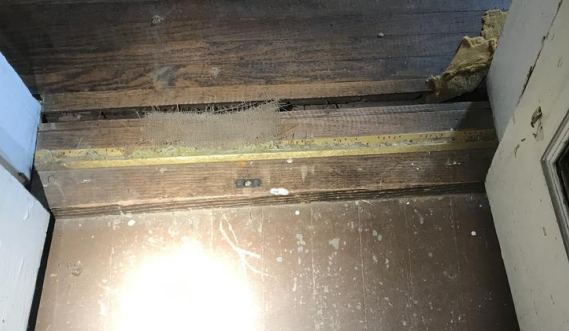
Identifying crawl space issues early on can save you time, money, and stress. Keep an eye out for these signs.
Signs of Sagging Floors Kansas City
Sagging floors can indicate a problem with your crawl space. If you notice uneven or sinking floors, it could be due to weakened support beams or shifting soil. A simple test is to roll a ball across the floor—if it doesn’t travel in a straight line, you might have a sagging issue. Addressing this early can prevent further damage to your home’s structure.
Sticking Doors and Uneven Floors
Sticking doors and uneven floors are often symptoms of foundation problems. As the foundation shifts, it can cause doors to jam and floors to warp. If you’re constantly struggling with doors or noticing gaps in your flooring, it’s time to investigate the crawl space. These issues won’t resolve on their own and typically worsen over time.
Musty Odors and High Humidity
Musty odors in your home can be a telltale sign of high humidity and potential mold growth in your crawl space. High humidity levels create the perfect environment for mold, which not only smells unpleasant but can also impact your health. If you detect a musty smell, consider inspecting your crawl space for excess moisture and mold.
Repair Options for Crawl Spaces
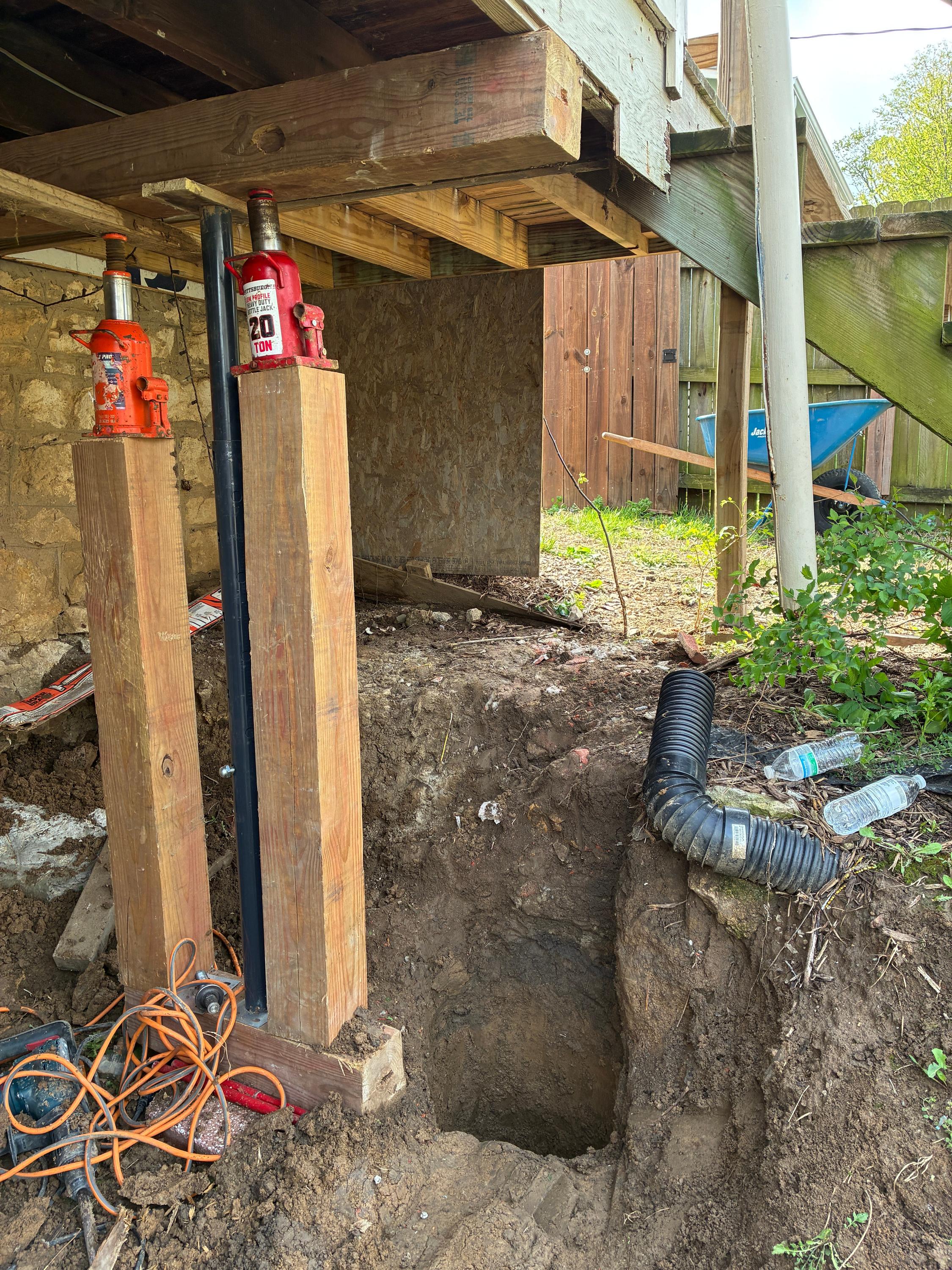
When it comes to repairing crawl space issues, you have several options to consider. Let’s look at some effective solutions.
Crawl Space Support Jacks and Beam Sistering
Crawl space support jacks and beam sistering are effective solutions for sagging floors. Support jacks provide additional stability by lifting and leveling the floor. Beam sistering involves reinforcing existing beams with additional material for added strength. Both methods can restore the integrity of your floors and prevent further sagging.
Helical Piers Kansas City for Settlement
Helical piers are a popular choice for addressing foundation settlement issues. These piers are screwed into the ground to provide a stable foundation for your home. They are especially effective in Kansas City’s clay soil, offering a long-term solution for uneven settling. Helical piers can help stabilize your home and prevent further damage.
Crawl Space Encapsulation KC and Vapor Barriers
Crawl space encapsulation involves sealing your crawl space with a vapor barrier to prevent moisture intrusion. This solution is ideal for controlling humidity and preventing mold growth. By encapsulating your crawl space, you create a dry, stable environment that protects your home from water damage. This method can significantly improve air quality and reduce energy costs.
Frequently Asked Questions
What are the signs of a crawl space problem?
Signs include sagging floors, sticking doors, uneven floors, musty odors, and high humidity. Early detection can prevent costly repairs.
How does Kansas City clay soil impact my crawl space?
Clay soil expands when wet and contracts when dry, causing foundation shifts. This movement can lead to structural damage over time.
What is crawl space encapsulation?
Encapsulation involves sealing the crawl space with a vapor barrier to prevent moisture intrusion. It helps control humidity and prevents mold growth.
When should I consider using helical piers?
Consider helical piers if you notice uneven settling or foundation cracks. They’re effective for stabilizing homes in clay soil conditions.
How can I prevent water intrusion in my crawl space?
Installing a vapor barrier and maintaining proper drainage can prevent water intrusion. Regular inspections can also help catch issues early.
Subscribe or Call for a consultation today