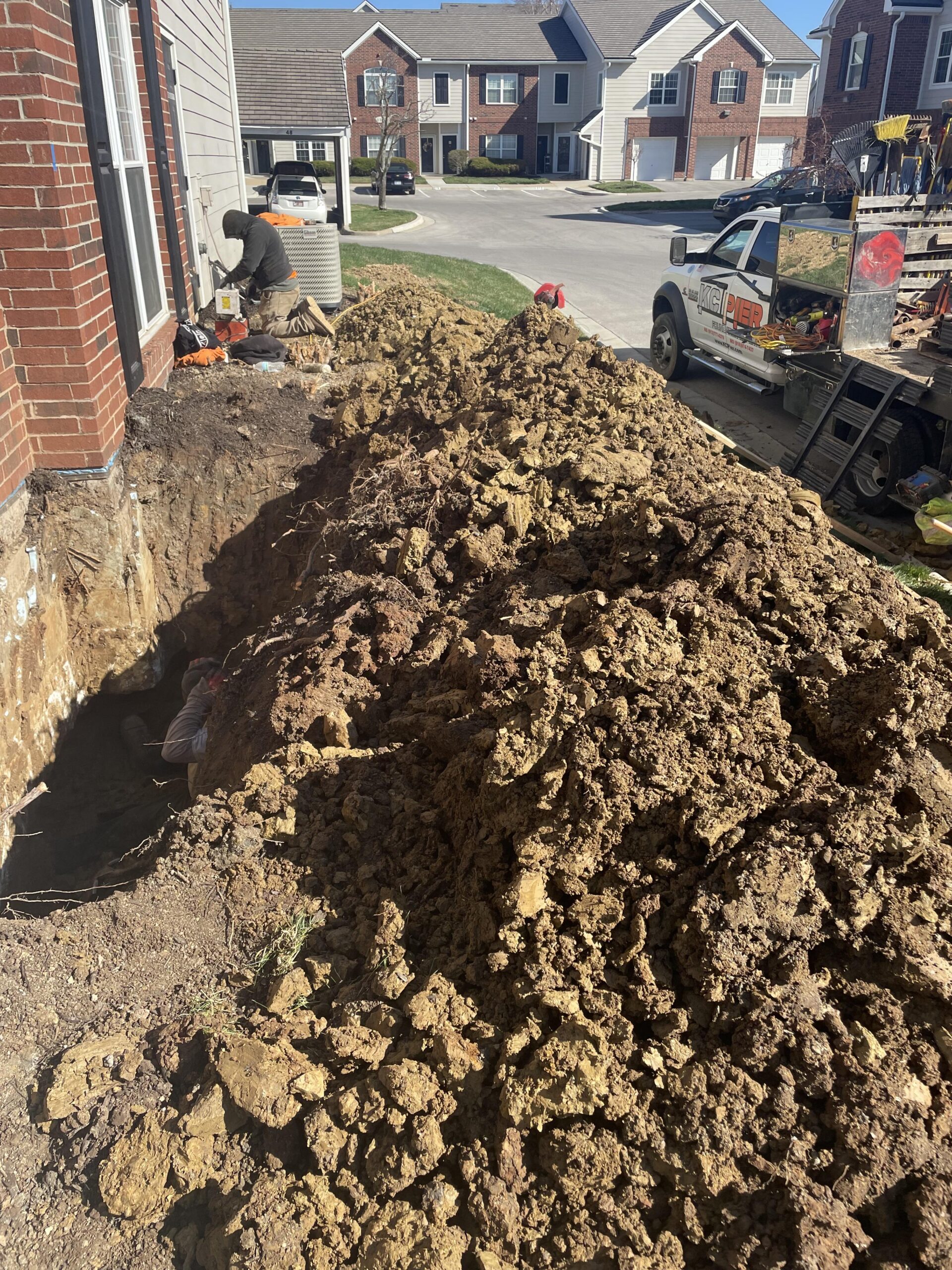
Foundation problems in Kansas City often start small—a crack here, a sticky door there. But ignoring these signs can let costly issues grow beneath the surface. In this guide, you’ll learn why foundations move in KC’s unique soil and how popular foundation repair methods like helical piers, wall anchors, and concrete leveling compare in cost and timeline. Knowing your options helps you pick the right fix with confidence, without any pushy sales talk. For more information on foundations, you can visit Merriam-Webster’s definition.
Understanding Kansas City Foundations
Foundations in Kansas City face unique challenges due to local soil conditions. Here’s what you need to know about why they move and how to spot early warning signs.
Why Foundations Move Here
Kansas City sits on expansive clay soil. This soil type swells when wet and shrinks when dry, causing foundation movement. Seasonal changes amplify this effect, leading to noticeable shifts in your home’s foundation. Understanding this helps you grasp why movement occurs and how it affects your property.
Common Signs of Foundation Issues
Early detection can save you money. Look out for these warning signs:
-
Cracks in walls or floors
-
Doors and windows that stick
-
Uneven floors
These signs may seem minor, but they indicate potential issues. Spotting them early allows you to address problems before they worsen.
Importance of Proper Diagnosis
A thorough foundation inspection is crucial. Professionals can determine the cause of movement and recommend appropriate repairs. Accurate diagnosis ensures you choose the right solution, saving time and money in the long run.
Comparing Foundation Repair Methods
Different methods exist to fix foundation problems. Choosing the right one depends on your specific situation. Let’s compare some popular options.
Helical Piers vs. Push Piers
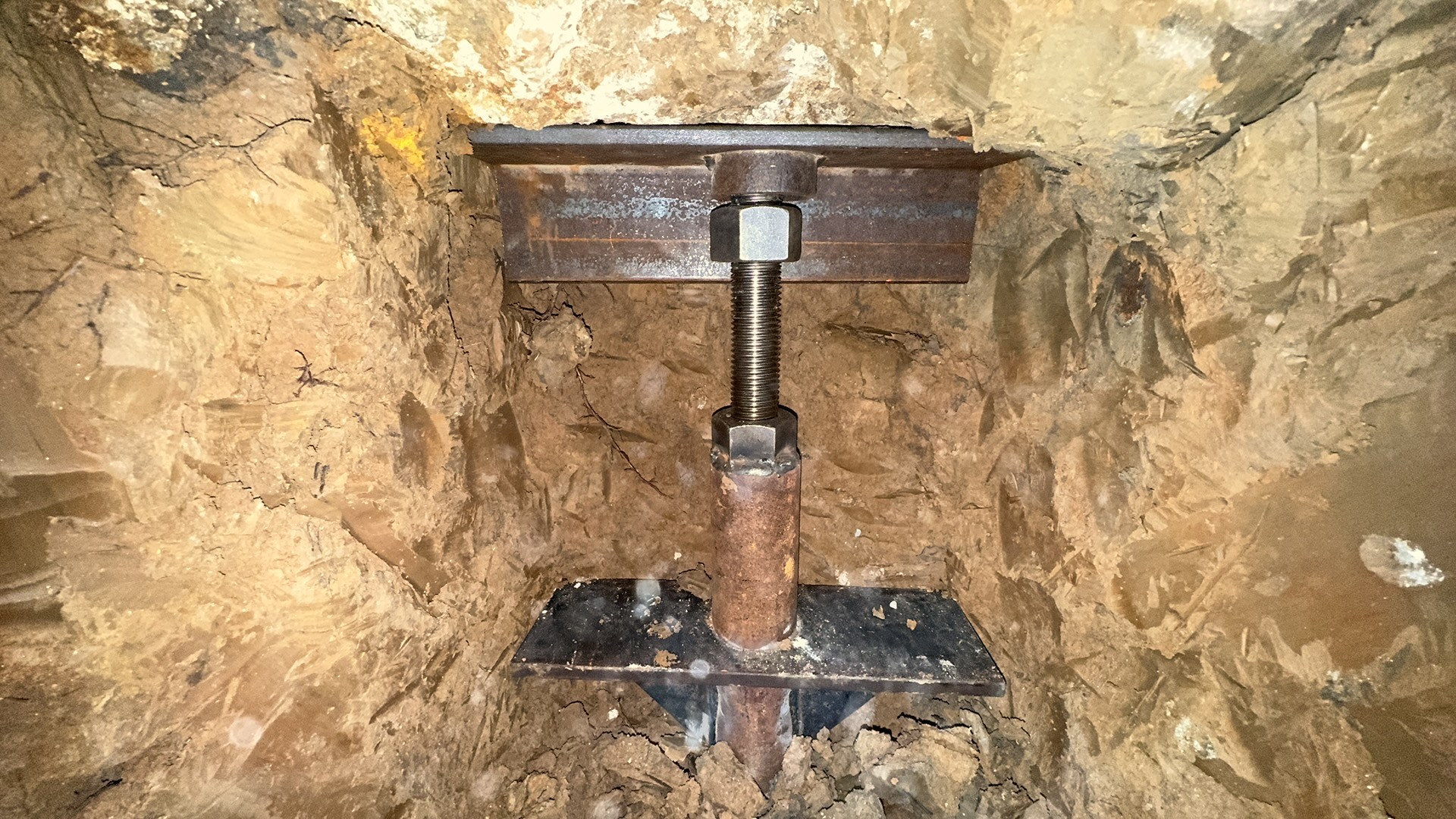
Both helical piers and push piers provide support for settling foundations, but they work differently. Helical piers are screwed into the ground, making them ideal for softer soils. They offer quick installation and minimal disruption. Push piers, on the other hand, rely on the weight of the structure to drive them into stable soil layers. They’re suitable for heavier structures and deeper installations.
Consider costs: Helical piers can range from $1,500 to $2,500 per pier, while push piers might cost between $1,300 and $1,800 each. Assess your home’s needs and budget to decide.
Wall Stabilization Techniques
Bowing basement walls need immediate attention. Wall anchors and carbon fiber straps are two effective methods for stabilization. Wall anchors use steel rods and plates to secure walls, while carbon fiber straps provide reinforcement without excavation. Wall anchors cost between $800 to $1,200 per anchor, whereas carbon fiber straps are generally less expensive at $600 to $800 each.
Choose based on the severity of the bowing and your preference for visible or subtle solutions.
Concrete Lifting and Polyjacking
Sunken concrete can be hazardous. Polyjacking offers a modern solution. Unlike traditional methods, this technique injects polyurethane foam to lift and level concrete slabs. It’s quick, with minimal mess, and costs about $5 to $25 per square foot. Consider polyjacking to maintain safety and appearance efficiently.
Waterproofing and Crawl Space Solutions

Water intrusion can cause severe damage. Effective waterproofing strategies keep your basement dry and your home safe.
Effective Basement Waterproofing
Basement waterproofing protects against leaks and flooding. Interior drain tile systems paired with a reliable sump pump installation are effective solutions. These systems channel water away from the foundation, preventing damage. They range from $3,000 to $5,000 but provide peace of mind during heavy rains.
Crawl Space Encapsulation Benefits
Seal your crawl space with encapsulation. This process involves covering the area with a vapor barrier to block moisture, preventing mold and rot. Encapsulation not only protects your home but also improves energy efficiency. Costs vary, generally $1,500 to $15,000, depending on size and condition.
Radon Mitigation for Safety
Radon mitigation is crucial for safety. Kansas City homes may have higher radon levels due to soil composition. Systems like sub-slab depressurization can reduce radon levels effectively. Protect your family by investing in this safety measure, which typically costs between $800 and $2,500.
Frequently Asked Questions
What are the signs of foundation problems?
Common signs include cracks in walls or floors, sticking doors and windows, and uneven floors. These can indicate underlying issues.
How much does foundation repair cost?
Costs vary widely based on the method and severity of the problem. Helical piers range from $1,500 to $2,500 per pier, while wall anchors cost between $800 to $1,200 each.
Can I DIY foundation repairs?
Foundation repairs require professional expertise. DIY attempts might worsen the issue or result in improper fixes. Always consult a professional.
Why is my basement always wet?
Wet basements often result from inadequate drainage or waterproofing. Solutions like interior drain tile systems and sump pumps can help.
Is radon a concern in Kansas City?
Yes, due to the soil conditions. Radon mitigation systems can effectively reduce radon levels, ensuring safety.
Understanding these aspects can help you make informed decisions about your home’s foundation and keep it in top condition.
Subscribe or Call for a consultation today