
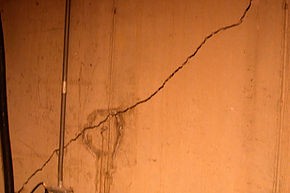
Foundation problems in Kansas City often start with the same signs: cracks in walls, sticking doors, or uneven floors. But those symptoms can point to very different causes depending on your home and soil conditions. Knowing how to identify foundation issues before choosing a repair helps you avoid unnecessary work and protects your investment. This guide walks you through what’s really behind your foundation problems and how to pick the right solution for your home.
Learn more about identifying foundation issues here.
Understanding Foundation Problems
Foundation issues can arise from various sources. Understanding the underlying cause is the first step in addressing them effectively.
Common Kansas City Causes
In Kansas City, foundation problems are often linked to soil conditions. The region’s expansive clay soil is a significant factor. During wet seasons, this soil expands, while in dry periods, it contracts. These movements can cause foundations to shift. Additionally, poor drainage and plumbing leaks can contribute to problems by keeping the soil around your home too wet, leading to instability.
Symptoms and What They Indicate
Recognizing the symptoms early can save you time and money. Cracks in your walls, especially above doors and windows, are common indicators. You might also notice doors that stick or floors that aren’t level. These signs often suggest shifting soil or water damage. Pay attention to any new or worsening symptoms, as they can point to changes in your foundation’s condition.
Foundation Inspection Process
A thorough inspection is crucial for pinpointing problems accurately. Inspectors will evaluate both the interior and exterior of your home. They look for visible signs like cracks and measure any shifts in elevation. This process often involves checking the moisture levels in the soil and examining the drainage systems to understand water flow around your property.
Diagnostic Steps Before Repair
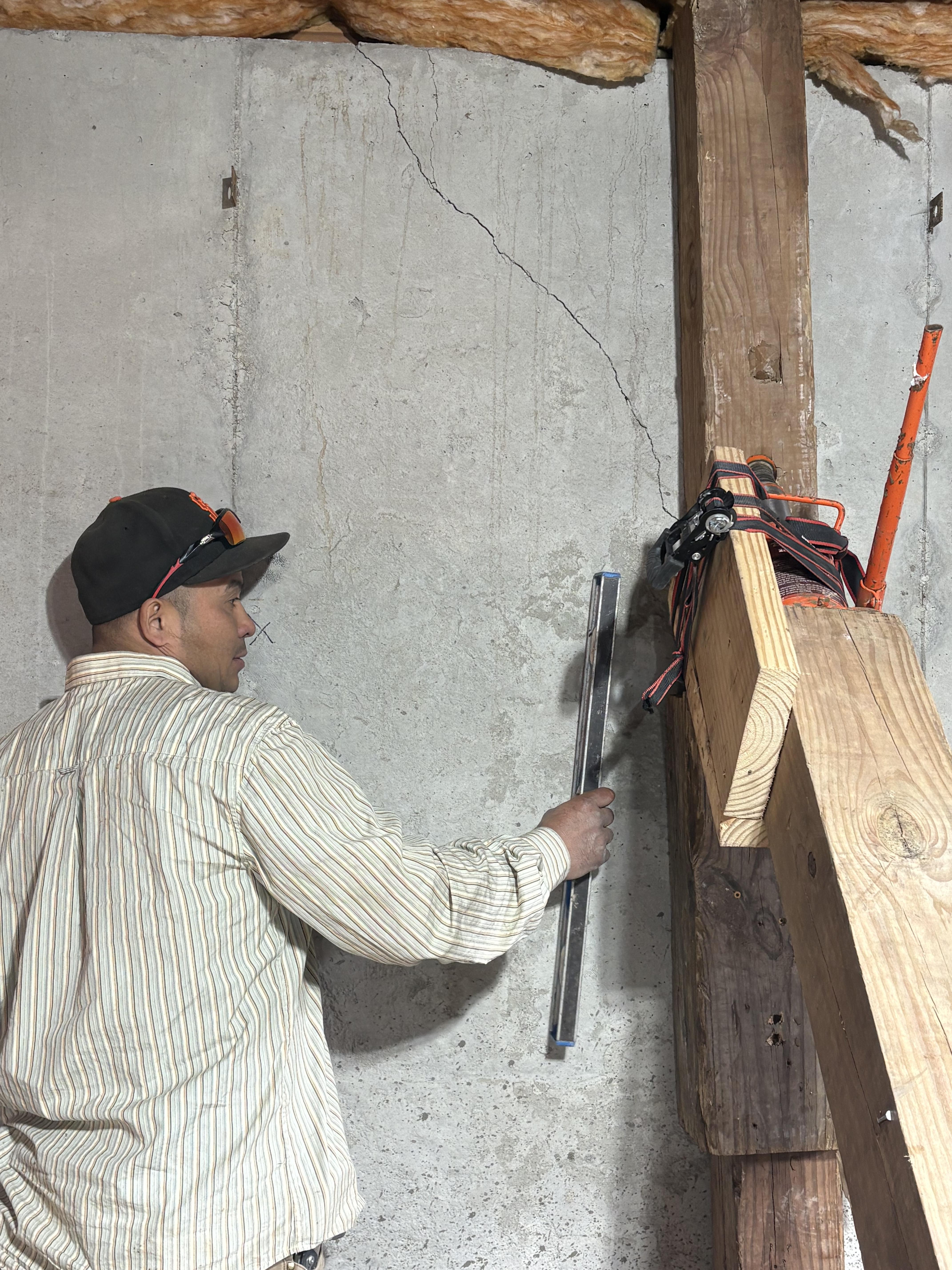
Before deciding on a repair, it’s essential to diagnose the problem accurately. This involves understanding different soil behaviors and pressure factors affecting your home.
Identifying Expansive Clay Soil KC
To identify expansive clay soil, you can begin by checking your yard’s soil type. This type of soil is sticky and forms dense clumps. During dry spells, it shrinks and cracks. Homeowners often notice new gaps in the soil around their homes during these times. A professional soil test can provide definitive results.
Settlement vs Heave Explained
Settlement and heave are two different foundation movements. Settlement occurs when parts of your house sink due to soil compression, often seen as cracks in the foundation or walls. Heave, on the other hand, happens when soil beneath the foundation expands, pushing it upwards. Each movement has distinct symptoms and requires different repair strategies.
Signs of Hydrostatic Pressure
Hydrostatic pressure builds from water accumulating around your foundation, often due to poor drainage. Symptoms include water seepage in basements and noticeably damp walls or floors. This pressure can lead to serious structural issues if not addressed promptly, making it crucial to check for these signs regularly.
Repair Options and Solutions

Once the root cause is identified, choosing the right repair option becomes simpler. Solutions vary based on the specific problem and its severity.
Helical Piers and Push Piers
Helical and push piers address foundation settlement. Helical piers are screwed into the soil, providing stability, while push piers are driven through the soil until they reach stable layers. Both methods lift and stabilize sinking foundations, making them suitable for different soil conditions.
Wall Anchors and Carbon Fiber
For walls bowing or cracking, wall anchors and carbon fiber are viable solutions. Wall anchors involve placing steel rods to brace and support the wall, while carbon fiber strips add strength and prevent further movement. These methods effectively stabilize walls without extensive reconstruction.
Sump Pump Systems and French Drains
To combat water-related issues, sump pumps and French drains are essential. Sump pumps remove water that accumulates in basements, while French drains redirect it away from your home. This combination prevents water from building up and causing hydrostatic pressure, protecting your foundation from water damage.
Frequently Asked Questions
What are common signs of foundation problems in Kansas City?
Common signs include cracks in walls, sticking doors, and uneven floors. These symptoms often point to issues with the soil or drainage around your home.
How can I identify expansive clay soil around my home?
Expansive clay soil feels sticky and clumps together. It often shows visible cracks during dry periods. Conducting a soil test can provide more accurate identification.
What is the difference between settlement and heave in foundations?
Settlement involves sinking due to soil compression, causing cracks. Heave is the upward movement from expanding soil. Both require different repair methods.
How can I reduce hydrostatic pressure on my foundation?
Improving drainage around your home is key. Installing French drains and ensuring proper grading can help redirect water away, reducing pressure.
What solutions exist for stabilizing a shifting foundation?
Helical piers, push piers, wall anchors, and carbon fiber are effective solutions. Each addresses different types of foundation movement and can be tailored to your specific needs.
For more detailed insights, visit this resource.
Subscribe or Call for a consultation today