
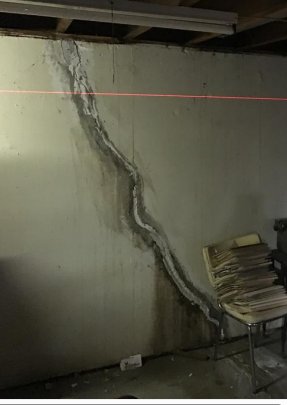
Vertical foundation cracks are one of the most common signs homeowners in Kansas City notice first. You might wonder if that vertical crack in your basement wall is just cosmetic or something that needs immediate attention. We’ll break down the typical causes, how to spot serious issues, and what repair options truly fit your home—so you can make a confident, informed choice without overspending. Learn more about vertical foundation wall cracks here.
Understanding Vertical Foundation Cracks
Vertical foundation cracks can be a homeowner’s first clue that something is amiss. Let’s explore why these cracks happen and how different wall types can affect their severity.
Common Causes in Kansas City
In Kansas City, vertical foundation cracks often result from the region’s unique soil conditions. The expansive clay soil in this area can swell significantly after heavy rains and shrink during dry spells. This constant shifting puts pressure on your home’s foundation, leading to cracks. Poor drainage or improperly compacted fill soil can also contribute to these issues, exacerbating the problem by adding further stress to the foundation.
For anyone dealing with this, understanding the local climate’s impact is crucial. While some cracks are minor and primarily cosmetic, others can signal a more serious structural issue. To better understand what might be causing your cracks, it’s helpful to know the history of your home’s construction and any recent weather patterns that might have contributed to soil movement.
Poured vs. Block Wall Cracks
The material of your wall plays a big role in how cracks develop. Poured concrete walls tend to form vertical cracks due to settlement or shrinkage. These cracks are often uniform in width and can appear anywhere along the wall. On the other hand, block walls might show step-like cracks in addition to vertical ones, which could suggest more serious foundation movement.
Poured concrete walls are generally more resistant to water penetration, but when cracks form, they need attention to prevent water from seeping through. Block walls, with their hollow cores, can be more susceptible to water intrusion and require careful monitoring. Understanding these differences can help you identify the type of crack you have and what it might mean for your foundation’s integrity.
Assessing Crack Severity
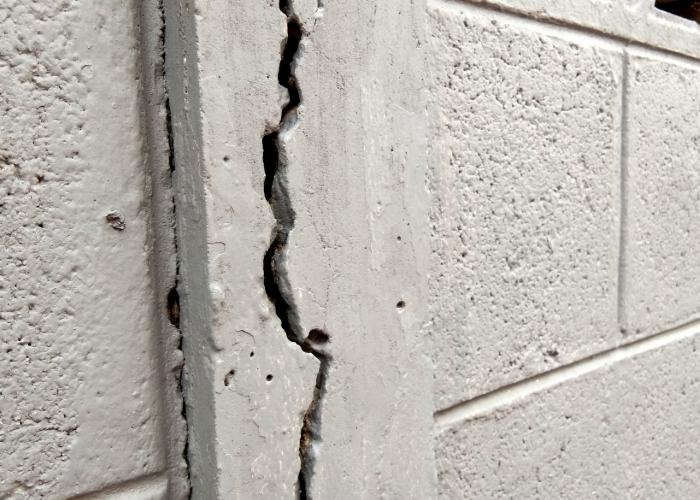
Once you’ve identified cracks, the next step is to determine how serious they are. Not all cracks require immediate action, but knowing what to look for can save you from future headaches.
Quick Severity Checks
A quick check is to see if the crack is wider than a quarter of an inch. If it is, this might indicate a more severe issue that needs professional evaluation. Another method is to monitor the crack over time. Use a pencil to mark the ends of the crack and the date. If it grows quickly, that’s a red flag.
Keep an eye on doors and windows nearby. If they start sticking or won’t close properly, it could mean the foundation is shifting. These small changes can be early indicators of a bigger problem. Regular checks can help you catch issues before they become costly repairs.
Diagnosing Cosmetic vs. Structural
Understanding whether a crack is cosmetic or structural is key. Cosmetic cracks are thin, often less than a quarter of an inch wide, and don’t change much over time. They might result from minor settling or temperature changes.
Structural cracks, however, can indicate significant foundation movement. Look for patterns: are they vertical or horizontal? Vertical cracks are usually less concerning than horizontal ones, which can suggest that the wall is being pushed in by external pressure. If you’re uncertain, it’s always wise to consult a professional who can assess the situation accurately.
Repair Options for Your Home
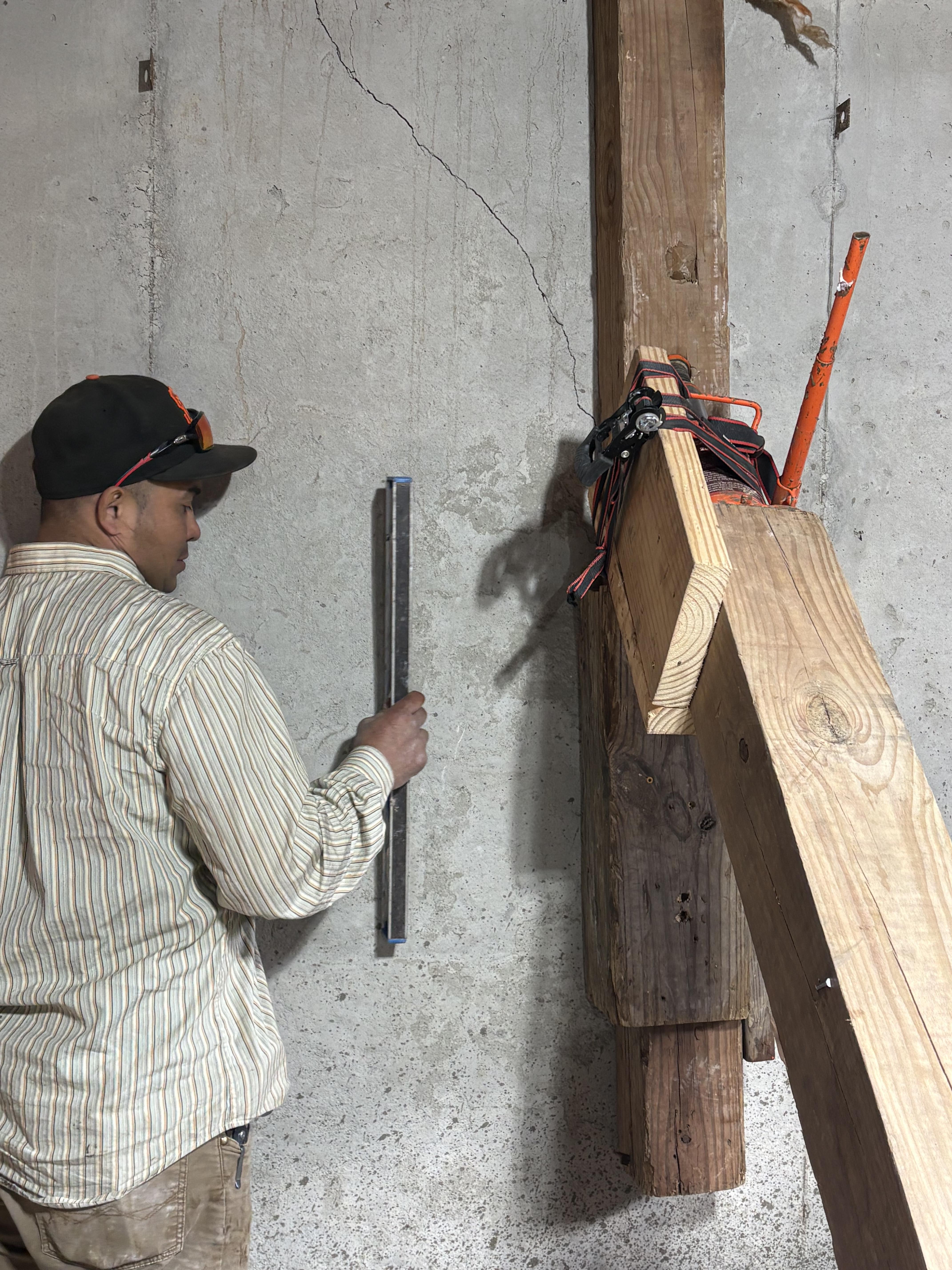
Once you’ve assessed the severity, it’s time to look at repair options. Different cracks require different solutions, and understanding these options can help you make an informed decision.
Fixes for Different Crack Types
Small, non-structural cracks might only need a simple sealant to prevent water intrusion. For this, urethane or epoxy injections are common, as they fill the crack and bond the wall back together. For larger, structural cracks, reinforcing the foundation might be necessary. Solutions like helical piers or push piers can stabilize and support the foundation, preventing further movement.
It’s important to choose a repair method that matches the crack’s cause. For example, if poor drainage is the issue, improving the drainage system might be part of the solution. Each situation is unique, and a proper diagnosis will guide you to the best repair strategy.
Proper Diagnosis and Repair Steps
A thorough diagnosis is crucial. Start with a professional inspection to determine the crack’s cause and the best course of action. This might involve soil testing or using crack monitoring gauges. Once the problem is understood, a tailored repair plan can be developed.
The repair process typically involves several steps: assessing the crack, choosing the right repair method, and executing the repair. For severe cases, this might include installing piers or reinforcing the wall. Throughout the process, clear documentation and communication are key to ensuring you understand what’s happening and why.
Frequently Asked Questions
How do I know if a vertical crack in my basement wall is serious?
If the crack is wider than a quarter of an inch or shows signs of growth over time, it may be serious. Additional warning signs include sticking doors and windows, indicating possible foundation movement.
What is the difference between a shrinkage crack and a settlement crack?
Shrinkage cracks are typically cosmetic and result from the natural drying and curing of concrete. Settlement cracks may be more serious, indicating the foundation is shifting or settling unevenly.
Can vertical foundation cracks lead to water intrusion?
Yes, vertical cracks can allow water to seep into the basement, especially during heavy rains. Using sealants like urethane or epoxy can help prevent this.
What is the best repair method for block wall cracks?
For block walls, reinforcement and proper drainage are crucial. Helical piers can stabilize the foundation, while sealants can help with water intrusion.
Do repairs come with a warranty?
At KC Pier, most repairs come with a lifetime transferable warranty, providing peace of mind and long-term protection.
Subscribe or Call for a consultation today