
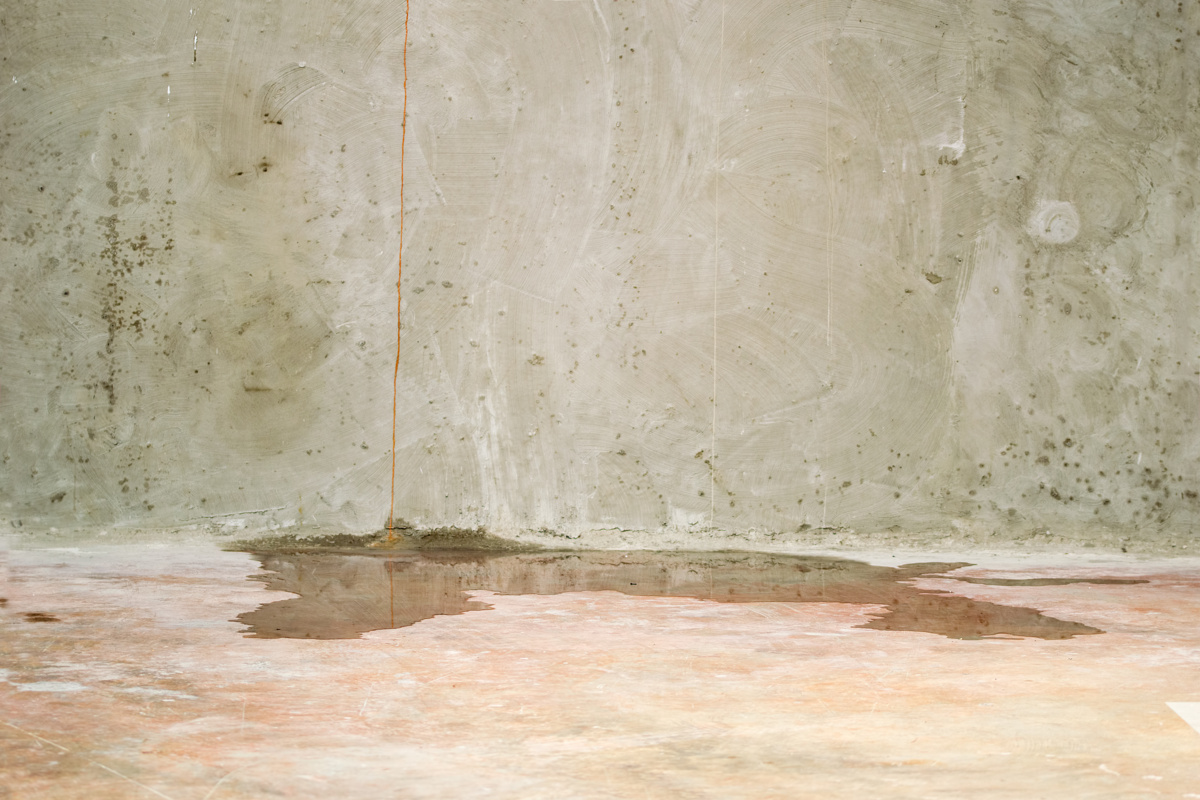
Basement water problems usually point to a failed system, not a one-time issue. We often inspect homes where prior repairs did not hold because the approach was incomplete or installed incorrectly. In most cases, these failures come from common basement waterproofing mistakes that allow water to keep entering over time.
Identifying these mistakes early helps prevent repeat repairs, structural damage, and unnecessary costs.
Why Basement Waterproofing Fails in the First Place
Water problems are rarely caused by one issue. In most cases, it is a combination of pressure, drainage, and structural movement.
Here is what we typically find:
- Hydrostatic pressure pushing water through walls and floors
- Poor exterior drainage directing water toward the foundation
- Weak or shifting foundation walls allowing entry points
Many homeowners assume waterproofing means sealing walls. In reality, it is about managing water before it reaches your basement.
Key Takeaway: A long-term solution controls water at the source, not just where it shows up.
The Most Common Basement Waterproofing Mistakes
Mistake 1: Treating Symptoms Instead of the Source
Sealing visible leaks without addressing where water is coming from leads to repeated problems. Paints and patches only cover the issue temporarily.
Mistake 2: Relying Only on Interior Sealants
Interior coatings can help in minor cases, but they do not stop water pressure. Without proper drainage, water will find another way in.
Mistake 3: Installing the Wrong Interior Drainage System
A poorly designed system can clog, overflow, or fail to move water efficiently. Layout, slope, and discharge all matter.
Mistake 4: Poor or Missing Sump Pump System
An undersized or improperly installed sump pump cannot keep up during heavy rain. Backup systems are often overlooked.
Mistake 5: Ignoring Exterior Drainage and Grading
Water pooling near your foundation is one of the biggest causes of leaks. Improper grading and short downspouts make the problem worse.
Need expert help with basement waterproofing? Contact KC Pier for a free consultation.
Mistake 6: Improper French Drain Installation
Many systems fail because they lack filter fabric or a proper slope. This leads to clogging and reduced performance over time.
Mistake 7: Failing to Repair Foundation Cracks Properly
Surface-level fixes do not address structural concerns. Cracks often signal deeper movement that needs proper repair.
Mistake 8: Overlooking Structural Movement
Waterproofing alone cannot fix bowing walls or settling foundations. Structural issues must be corrected first.
Mistake 9: DIY Waterproofing Without a System
Trying multiple fixes without a plan often makes the problem worse. A complete system is more effective and cost-efficient.
Mistake 10: Ignoring Early Warning Signs
Minor issues like damp spots or odors are early indicators. Waiting allows damage to spread and repairs to grow.
Pro Tip: If you notice repeated moisture in the same area, the issue is not solved. It is only being managed temporarily.
What Actually Works to Fix Basement Waterproofing Mistakes
Fixing basement waterproofing mistakes requires a system, not a single product.
A proven approach includes:
- Interior drainage systems to collect and redirect water
- Sump pump systems with proper discharge lines
- Exterior grading improvements to move water away
- Foundation crack repair and wall stabilization when needed
Each component plays a role in protecting your home.
Key Takeaway: Waterproofing works best when drainage, structure, and water control are handled together.
How KC Pier Solves Basement Water Problems
We focus on solutions that address both water and structure. Every home is different, so we evaluate the full picture before recommending a system.
Our approach includes:
- Custom interior drainage system installation
- Sump pump systems designed for your home’s needs
- Crack repair and structural reinforcement
- Wall stabilization for bowing or shifting foundations
- Exterior recommendations to improve drainage
We install systems that are built to last and designed for local soil conditions.
How to Know Which Solution Your Basement Needs
Not every basement needs the same fix. The right solution depends on what is causing the problem.
Here are a few signs to watch for:
- Standing water or pooling: Likely drainage issue
- Cracks or bowing walls: Possible structural concern
- Musty odors or damp walls: Moisture intrusion
A professional inspection helps identify the root cause and prevents unnecessary work.
Cost of Fixing Basement Waterproofing Mistakes
Costs vary based on severity and system requirements. Minor fixes may cost less, but incomplete solutions often lead to repeat expenses.
Factors that affect cost:
- Extent of water damage
- Type of drainage system needed
- Structural repairs required
- Accessibility and layout of the basement
Fixing mistakes later is almost always more expensive than doing it correctly the first time.
Fix the Problem the Right Way the First Time
Water problems do not improve on their own. They grow, spread, and lead to more serious damage if ignored or handled incorrectly. The right solution focuses on stopping water at the source and protecting your foundation long-term.
If you are seeing signs of moisture or damage, now is the time to act. Our team can evaluate your basement and recommend a system that works for your home. Addressing basement waterproofing mistakes early is the best way to protect your investment. Contact us today.