Radon is a known carcinogen, and it can build up in your home without any warning. The most common source of radon in KC houses is the ground beneath your home. The gas rises through fractures in the soil, seeps into the house, and collects in basements and crawl spaces.
Because radon is invisible and odorless, a test is the only way to confirm your levels. This guide covers where radon comes from, how it is managed, and when to mitigate.
Why Radon is a Serious Concern in Local Homes
Kansas City has some of the highest radon levels in the United States. Exposure can affect homes, basements, and crawl spaces across the area.
An Invisible Gas with No Warning Signs
Radon is an invisible, odorless gas and a known carcinogen. Standard smoke and carbon monoxide detectors do not detect it, so you need a radon test to find out if it is present.
Managing radon in your home starts with that test.
Where Radon Collects in Your Home
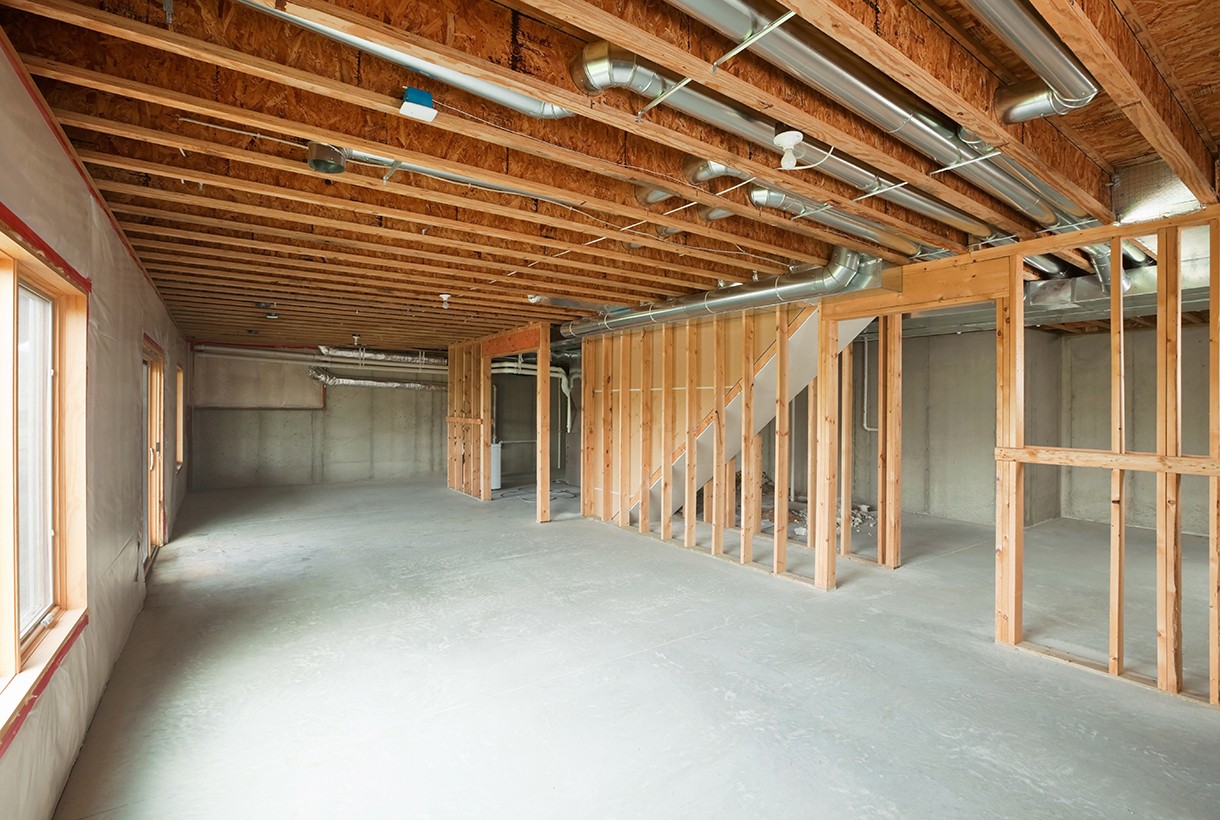
Radon tends to collect in the lowest areas of your home and sit there. Basements and crawl spaces are most at risk, especially ones that see little use or airflow.
Pro Tip: Test the lowest level of your home that your family uses. That is where radon is most likely to build up.
Understanding the Source of Radon in KC Houses
Radon starts in the ground. It is typically found near fractures in the soil, and the local topography affects where it shows up. From there, the gas seeps into the house, where it needs to be managed.
Fractures in the Soil and Topography
Because radon travels through these fractures, the amount that reaches your home depends on the ground directly beneath it. That is why results can change from one property to the next.
How the Source of Radon Varies Between KC Houses
Radon is very specific to location. As our team explains, “It could be present in your house, and your neighbors do not have it.” One neighborhood could show radon while the next neighborhood over has none.
Key Takeaway: Never rely on a neighbor’s test results to judge your own home. Test your own property.
How Radon Gets Managed
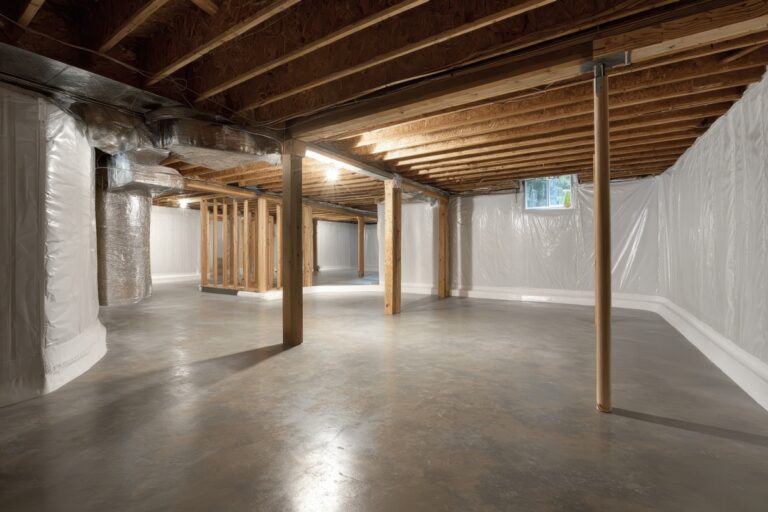
Managing radon requires a fan source. A mitigation system collects the radon through a vacuum or tube system, and a fan vents it outside into the atmosphere, where it disperses naturally.
When Your Basement May Self-Manage Radon
Some basements have enough airflow to partly manage radon on their own. This can happen if your basement has:
- Walk-out doors you use often
- Fans that run regularly
- Air replacement systems
A test will show whether these conditions are actually keeping your levels low.
Why Most Basements Need Physical Mitigation
Most people use the basement much less than the rest of the house. With little air movement, radon collects there and needs some type of physical mitigation.
Need expert help with radon testing or mitigation? Contact KC Pier to schedule a radon test.
Testing for Radon Before You Make Decisions
Every homeowner should test. You can use a home test or schedule a professional test.
Home Tests vs Professional Tests
| Factor | Home Test | Professional Test with KC Pier |
| Who handles it | You set it up yourself | We drop off the test, come back, and assess it |
| Accuracy | A little less accurate, but still relatively accurate | More accurate than a home test |
| Credentials | None required | Handled by a state-licensed radon tester |
Even so, a home test is a worthwhile first step.
What Happens When Levels Reach 4 pCi/L or Higher
A reading of 4 picocuries per liter (pCi/L) or higher is the level at which you want to mitigate. This matches the EPA’s recommended action level. If your test lands in that range, we put together a mitigation plan, and you decide whether to install the solution.
How KC Pier Handles Radon During Foundation Repairs
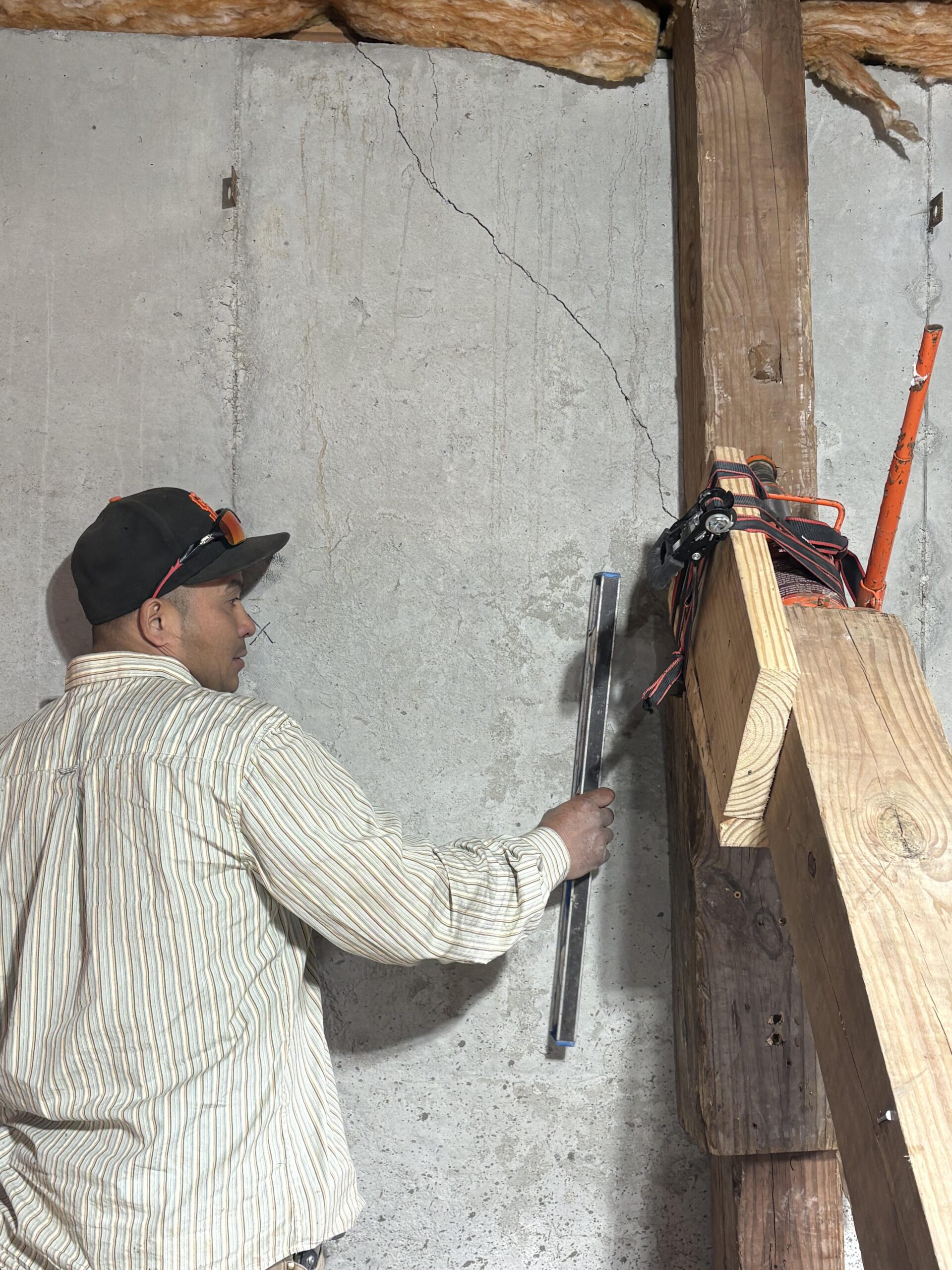
We are one of the few foundation companies that install radon mitigation systems. We also offer radon testing on every repair that involves breaking concrete, since that work can potentially expose a homeowner to higher radon levels.
Testing Before and After Concrete Work
You have the option to test both before and after your repair. We run the first test far enough ahead of the work that, if we find radon in your home, we can build the mitigation plan into the repair we are about to do.
- Test before the repair to learn your current levels.
- Add mitigation to the repair plan if levels are high.
- Test after the repair to check your levels again.
Licensed Radon Testing and Mitigation in Kansas
Our team is licensed through the state of Kansas as a radon tester and mitigator. That license allows us to test your home and install mitigation systems.
Pro Tip: If you are planning a foundation repair, ask for a radon test before work begins. It gives us time to plan mitigation into the same project.
Schedule a Radon Test with KC Pier
Radon comes from fractures in the ground beneath your home, collects in your basement or crawl space, and gives no warning signs. Testing tells you where your home stands, and a fan-driven mitigation system vents the gas outside so it can disperse naturally.
If you live in the Kansas City area, contact KC Pier to schedule a radon test. As state-licensed radon testers and mitigators in Kansas, we will test your home, assess the results, and walk you through a mitigation plan if you need one. Reach out today for clear answers about the source of radon in KC houses.