Basement moisture problems don’t fix themselves, and a waterproofing membrane often plays a key role in the solution. Whether you’ve spotted efflorescence on basement walls, noticed musty smells, or are planning a finished basement, knowing when a basement waterproofing membrane makes sense can save you time and money. This guide breaks down how these membranes work, what they can’t do, and how they fit into a full waterproofing system tailored for Kansas City homes.
Understanding Basement Waterproofing Membranes

Waterproofing membranes form a critical barrier between your home’s foundation and moisture. Let’s explore their purpose and the available types to see how they benefit Kansas City homes.
Purpose and Functionality
Waterproofing membranes protect your basement by stopping water from seeping through walls and flooring. They act as a shield, keeping your space dry. By preventing moisture entry, they help maintain the structural integrity of your home. This layer can significantly reduce issues related to hydrostatic pressure, which can otherwise lead to leaks and damage.
Types of Waterproofing Membranes
There are several membrane types, each with unique benefits. Dimple board membranes create a drainage space, directing water away from your home. Elastomeric membranes offer flexibility and can move with your foundation. Peel-and-stick membranes are known for easy application and strong adhesion. Fluid-applied membranes provide a seamless barrier when sprayed or rolled onto surfaces. Each type has its advantages, so choosing the right one depends on your specific needs.
Benefits for Kansas City Homes
Kansas City’s clay-rich soil can wreak havoc on foundations. Waterproofing membranes help manage moisture control, crucial in such environments. By keeping water out, they reduce the risk of efflorescence on basement walls and prolong the lifespan of your foundation. For homeowners planning to finish a basement, these membranes ensure a dry, comfortable space without musty smells or dampness.
When Waterproofing Membranes Work

Membranes are effective in many situations, but knowing when to use them is key. Let’s look at scenarios where they shine and how to apply them effectively.
Effective Scenarios for Use
Waterproofing membranes are ideal when you notice water stains, leaks, or humidity in your basement. They work well in homes where the foundation is frequently exposed to water from rainfall or poor drainage. If you plan to finish your basement, membranes create a dry environment, protecting your investment.
Positive Side Waterproofing Explained
Positive side waterproofing involves applying the membrane outside the structure. This approach stops water from ever reaching the foundation. It’s effective in preventing moisture problems but may require significant excavation. This method is often used during new construction or major renovations.
Negative Side Waterproofing Insights
Negative side waterproofing applies the membrane inside the basement. It’s a practical solution when exterior excavation isn’t feasible. This method helps manage leaks and moisture but is less effective against hydrostatic pressure. It’s a good fit for retrofitting older homes with existing water issues.
Integrating Membranes into a Complete System
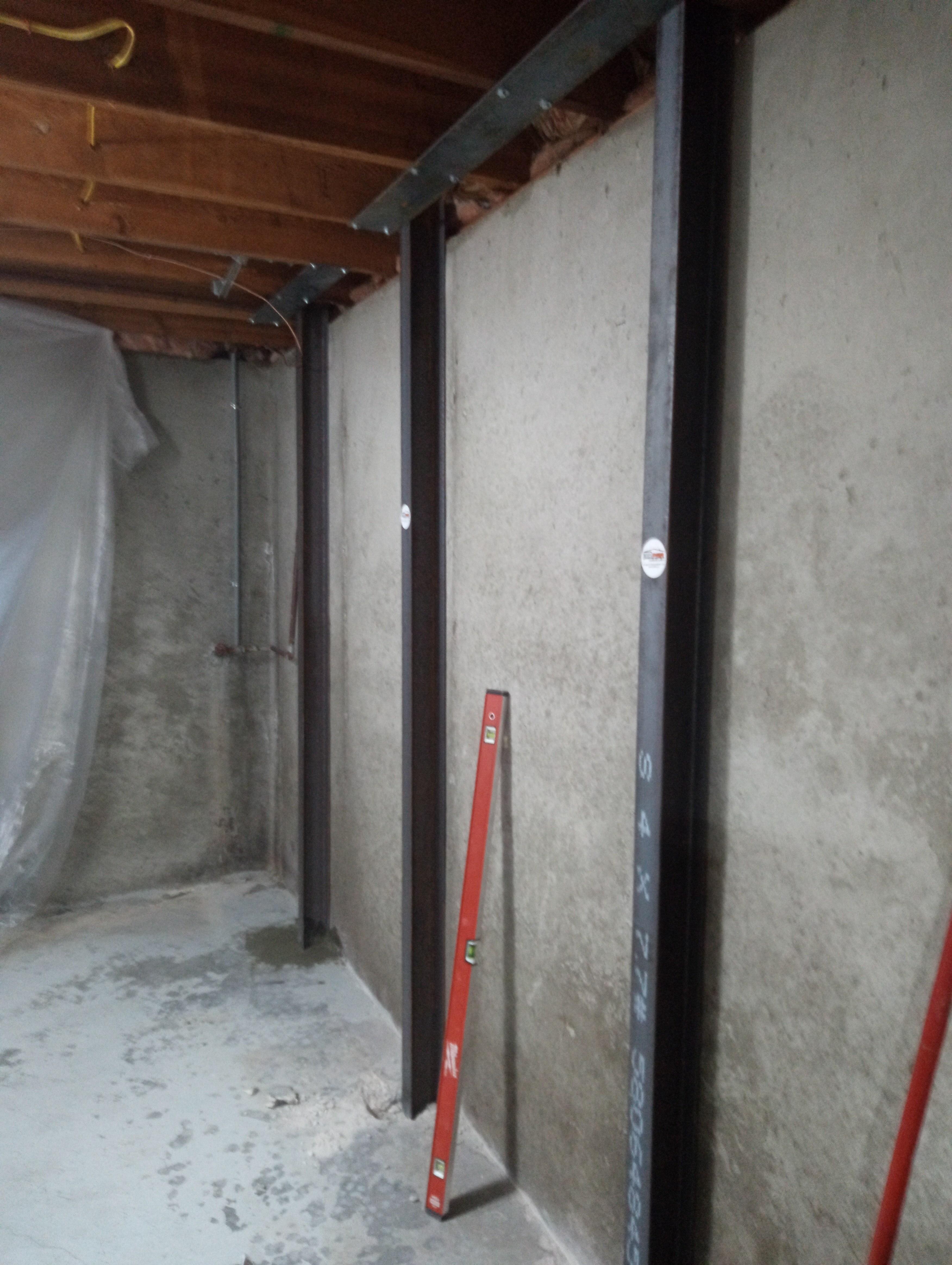
A membrane alone isn’t always enough. Integrating it into a comprehensive system ensures long-term protection. Here’s how to build a complete solution.
Role of Exterior Foundation Waterproofing
Exterior foundation waterproofing is the first line of defense. It begins with thorough drainage planning, like using French drains and sump pumps. These systems direct water away from your home, reducing pressure on the foundation. Combining these with waterproofing membranes creates a robust barrier against moisture.
Interior Drain Tile System Benefits
An interior drain tile system collects water that manages to penetrate and channels it to a sump pump. This internal approach works well with negative side waterproofing, ensuring any water entering the basement is swiftly removed. It’s especially useful in Kansas City, where clay soil can increase water pressure on foundations.
Long-term Basement Moisture Control Strategies
Long-term control involves regular maintenance and monitoring. Ensure gutters and downspouts direct water away from your foundation. Consider installing a crawl space vapor barrier to further reduce moisture entry. Regularly check systems for blockages and clean sump pumps annually to ensure they work effectively.
Frequently Asked Questions
What is the best type of waterproofing membrane for basements?
Different types of membranes are suitable for various needs. Elastomeric membranes offer flexibility, while dimple board membranes provide drainage. The best choice depends on your specific situation and goals.
How does a waterproofing membrane help with hydrostatic pressure?
By creating a barrier, waterproofing membranes prevent water from seeping into your basement, reducing the effects of hydrostatic pressure. This helps protect your foundation from water damage.
Can I install a waterproofing membrane myself?
Some membranes, like peel-and-stick options, are suitable for DIY projects. However, professional installation ensures proper application, especially for membranes requiring excavation.
When should I consider negative side waterproofing?
Negative side waterproofing is ideal when exterior excavation isn’t an option. It’s effective for managing leaks and moisture inside the basement.
How long do waterproofing membranes last?
A well-installed membrane can last many years, especially when part of a comprehensive system. Regular maintenance and monitoring can extend its lifespan significantly.
Subscribe or Call for a consultation today