Not all foundation problems are created equal. Cracks, uneven floors, and water intrusion each tell a different story about what’s happening beneath your home. Knowing the root cause is the first step to choosing the right foundation repair in Kansas City—because fixing the symptom alone can lead to bigger issues down the road. Let’s break down what’s really going on and how to pick the best solution for your home’s unique needs. For more information, check out this resource.
Identifying Foundation Problems
Let’s start by understanding how to spot potential foundation issues before they become serious. Recognizing these signs early can save you time and money.
Common Signs of Foundation Issues
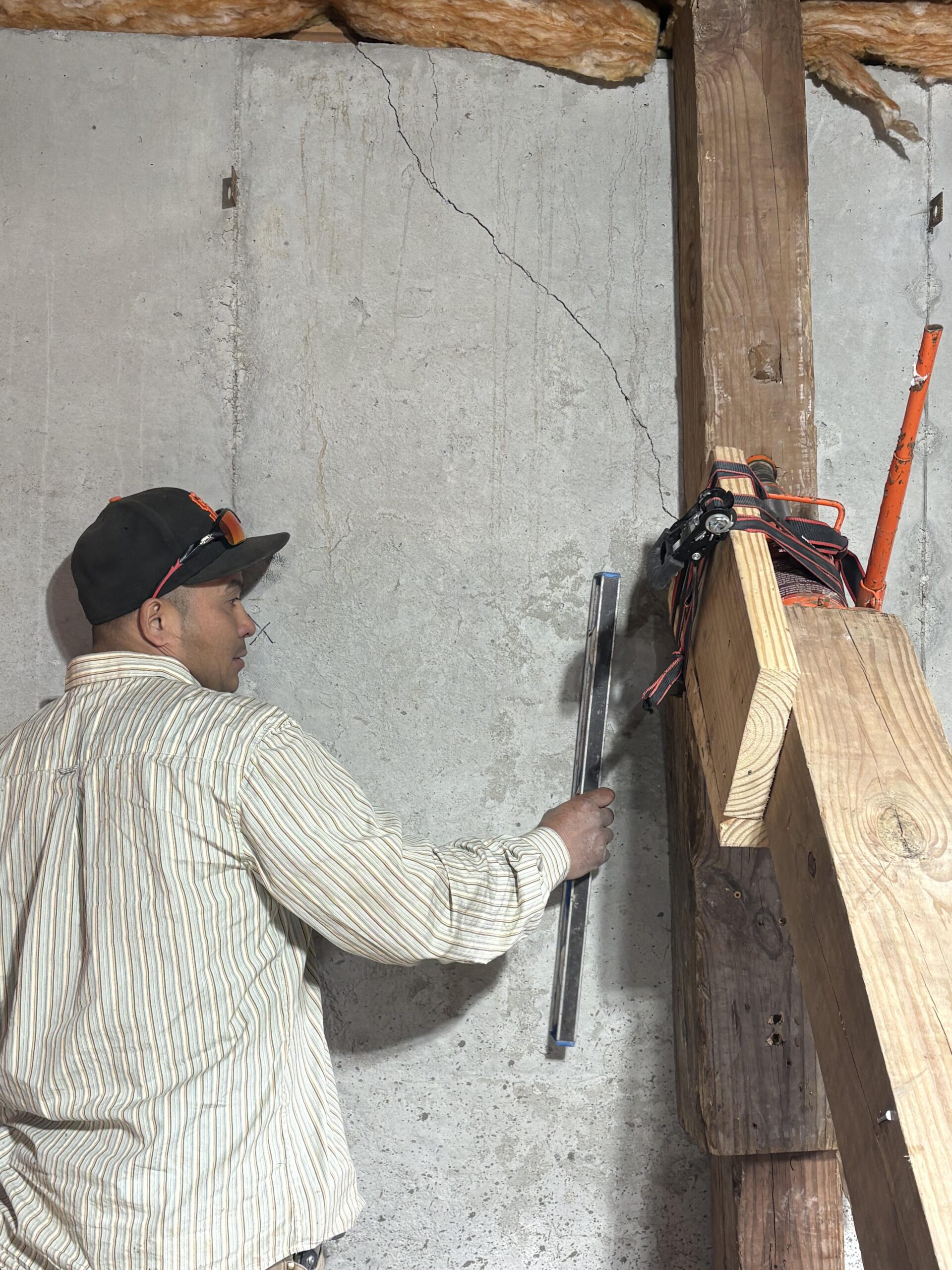
You might notice cracks in walls, uneven floors, or doors that stick. These are common indicators of underlying foundation problems. Cracks can appear both inside and outside your home. If you spot gaps between walls and ceilings or signs of water intrusion, it’s a clear signal that something isn’t right.
Foundation problems often manifest in these visible ways. You might also sense your floors sloping or notice windows that don’t close properly. These signs suggest your foundation may be shifting. If you see these, it’s time to act. Ignoring them could lead to costlier repairs down the line.
Understanding Seasonal Soil Movement
Soil movement is a natural occurrence that can affect your foundation. In Kansas City, the soil expands and contracts with the seasons. This can lead to shifts beneath your home. During dry spells, the soil contracts, pulling away from the foundation. In rainy seasons, it expands, pressing against it.
These cycles of expansion and contraction can cause significant strain. Over time, this movement can lead to cracks and other damage. Being aware of how your soil behaves through the year helps in predicting potential issues. It also guides you in choosing the right foundation repair in Kansas City.
Differentiating Between Causes and Symptoms
Differentiating the cause from the symptom is critical. A crack is a symptom, but what’s causing it? Is it soil movement, water intrusion, or something else? Identifying the root cause ensures you choose the correct remedy.
Understanding this distinction helps in addressing the problem effectively. Treating only the symptom might seem like a quick fix, but it won’t solve the underlying issue. A thorough inspection can reveal whether the issue is structural or environmental. This knowledge informs your repair choices, ensuring long-term stability.
Matching Repairs to Causes
Once you understand the problem, it’s time to match it with the right repair solution. Not every fix suits every issue, so selecting the correct method is vital.
Choosing Between Helical and Push Piers
Helical and push piers are popular solutions for stabilizing foundations. But how do you choose? Helical piers are best for lighter structures. They screw into the ground, providing support without adding excessive weight. Push piers, on the other hand, are ideal for heavier loads, driven deep into the soil for stability.
Both options have their merits. Helical piers offer more flexibility and are quicker to install. Push piers, however, are better suited for significant foundation shifts. Understanding your home’s specific needs helps in making the right choice. This way, you avoid unnecessary costs and ensure your foundation’s longevity.
Effective Bowing Wall Repair Techniques
Bowing walls can be alarming. But don’t worry, there are solutions. Carbon fiber straps and steel I-beams are two effective techniques. They provide support and can prevent further bowing. Carbon fiber is less invasive, ideal for minor bowing. Steel beams, meanwhile, offer robust support for more severe cases.
Choosing the right method depends on the extent of the bowing. For slight bends, carbon fiber straps might suffice. If the bowing is more pronounced, steel I-beams may be necessary. Consulting with experts ensures you select the appropriate technique, securing your home’s structural integrity.
Addressing Water Intrusion with Interior Drain Tile
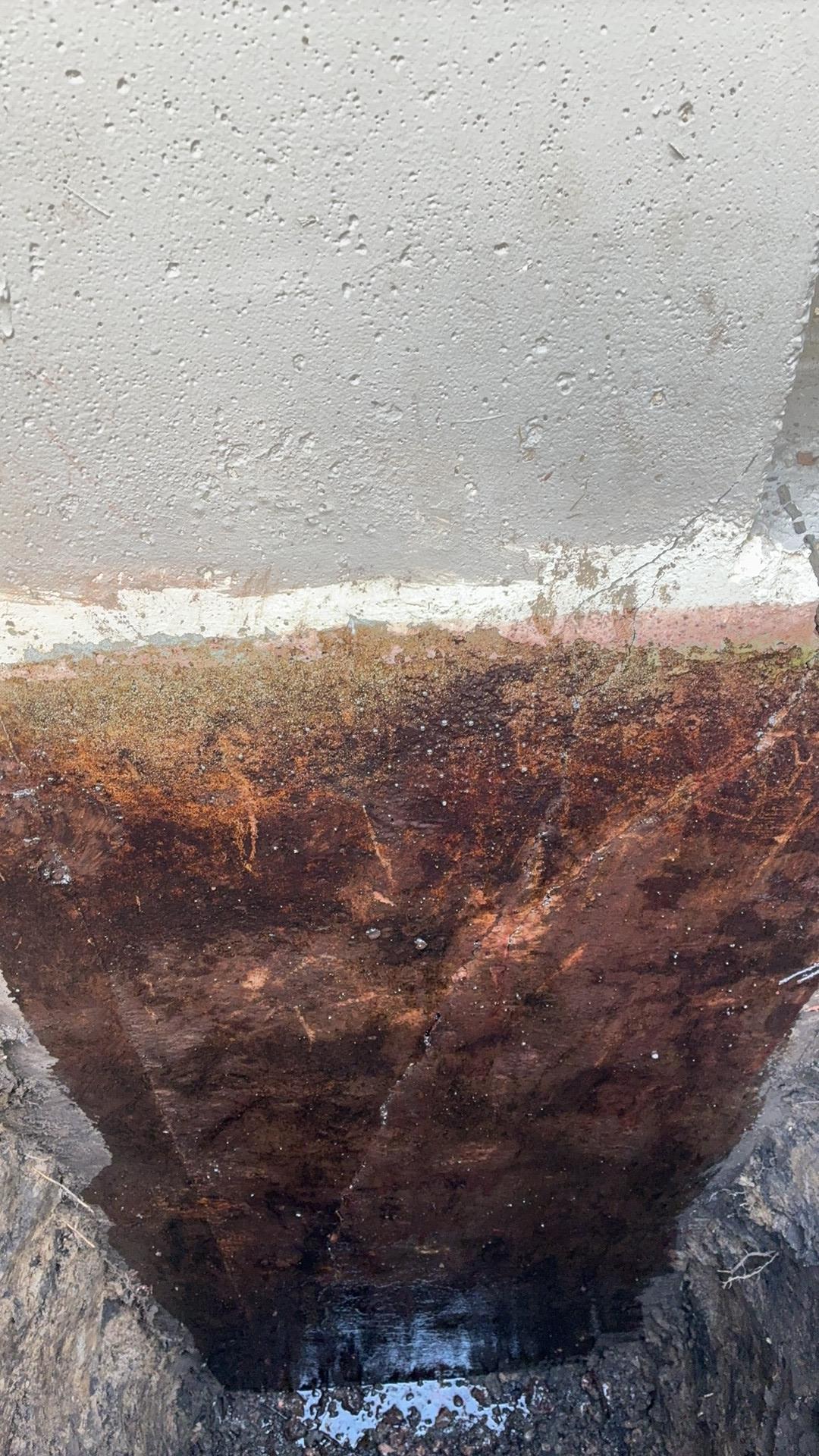
Water intrusion is a common issue. An interior drain tile system can help. It collects water before it seeps into your basement. This system is effective in managing hydrostatic pressure, preventing water from pooling around your foundation.
Installing a drain tile system involves placing pipes along your basement’s perimeter. These pipes direct water into a sump pump, which channels it away. This proactive measure protects against water damage and reduces the risk of foundation settlement. It’s a wise choice for homes prone to flooding or with poor drainage.
Proactive Maintenance and Solutions

Beyond immediate repairs, proactive maintenance can prevent future issues. Here are some strategies to keep your foundation in good shape.
Benefits of Crawl Space Encapsulation
Crawl space encapsulation shields your home from moisture. By sealing off this area, you prevent dampness from affecting your foundation. This process involves installing a vapor barrier, which keeps moisture at bay.
Encapsulation offers several benefits. It reduces the risk of mold growth and improves air quality. It also helps maintain consistent temperatures, reducing energy costs. It’s a preventive measure that adds value to your home, ensuring a dry, stable foundation.
Importance of Sump Pump Installation
A sump pump is crucial for managing water around your foundation. It actively removes water from your basement, preventing flooding. Installing a sump pump is a smart investment for homes in areas prone to heavy rainfall or with high water tables.
Sump pumps work by collecting water in a pit and pumping it away from your home. Regular maintenance ensures they function properly when needed. By installing a sump pump, you safeguard your basement and foundation, avoiding costly water damage repairs.
Preventative Measures for Foundation Settlement
Preventing foundation settlement starts with understanding the risks. Regularly inspecting your foundation and surrounding soil is key. Look for signs of erosion or water pooling, which can lead to settlement.
Take steps to improve drainage, such as installing gutters or French drains. Keep the soil around your home consistently moist during dry spells to prevent contraction. These measures help maintain soil stability, protecting your foundation from settling over time.
Frequently Asked Questions
Q: What are the main signs of foundation problems?
A: Common signs include cracks in walls, uneven floors, and doors or windows that stick. If you notice these, it’s worth getting a professional inspection.
Q: How does soil movement affect my foundation?
A: Seasonal soil movement can cause your foundation to shift. The soil expands when wet and contracts when dry, which can lead to cracks and other issues.
Q: What is the difference between helical and push piers?
A: Helical piers are screwed into the ground, ideal for lighter structures. Push piers are driven deep into the soil, better for heavier loads. Choose based on your home’s needs.
Q: Why should I consider crawl space encapsulation?
A: Crawl space encapsulation prevents moisture from affecting your foundation. It reduces the risk of mold and improves air quality, protecting your home long-term.
Q: How can I prevent foundation settlement?
A: Regular inspections and maintaining proper drainage are key. Keep soil around your home moist during dry periods to prevent contraction and settlement.
Subscribe or Call for a consultation today