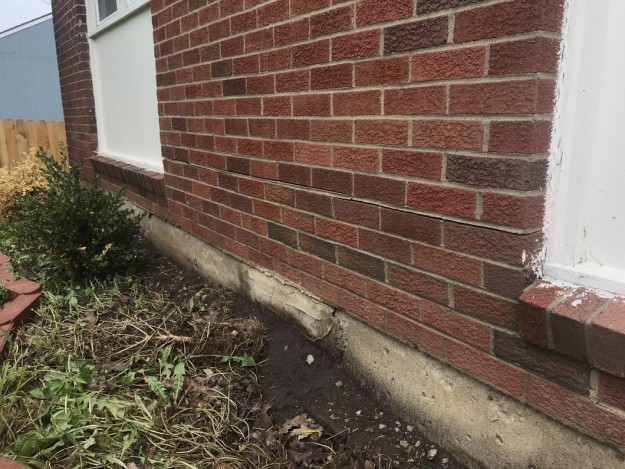
Not every crack or sticking door means a foundation emergency. Still, ignoring these signs can let small problems turn costly in Kansas City’s tricky clay soil. This guide helps you spot whether your home needs foundation repair Kansas City, basement waterproofing Kansas City, or concrete lifting Kansas City. You’ll learn what causes each issue and which fixes match your home and budget—before you commit to any work. For more insights on recognizing signs of foundation structural damage, you can check this video.
Recognizing Foundation Issues
Understanding your home’s foundation is crucial to maintaining its structural health. Let’s explore the signs and causes of foundation movement and the repair options available.
Signs of Foundation Movement
Have you ever noticed cracks in your walls or sticking doors? These are often the first signs of foundation movement. Cracks may appear in the corners of windows or doors, and floors might become uneven. If you see these signs, it’s time to investigate further.
Sticking doors can indicate that parts of your home are shifting. Pay attention to any new gaps or misalignments in door frames. Don’t ignore these issues, as they often point to bigger problems beneath the surface. For more details on warning signs, visit this informative blog.
Causes of a Settling Foundation
Why does a foundation settle? Often, the culprit is the expansive clay soil common in Kansas City. This soil expands and contracts with moisture changes, affecting your home’s stability. Poor drainage around your home can also contribute, as water pooling can erode the ground beneath the foundation.
Seasonal weather changes play a big role too. The freeze and thaw cycles can make the soil shift, leading to foundation movement. Knowing these causes helps you take preventive steps, like managing drainage and monitoring soil health.
Repair Options: Helical and Push Piers
Fixing a settling foundation often involves helical or push piers. Helical piers are like giant screws driven into the ground, offering support. They’re effective for lighter structures and areas with unstable soil. Push piers, on the other hand, are steel rods pushed deep into the ground, suitable for heavier structures.
Both options stabilize your home by transferring the load to more stable soil layers. Consulting with a professional will help you decide which solution fits your needs best. Remember, every home is unique, and so is each solution.
Addressing Water Intrusion
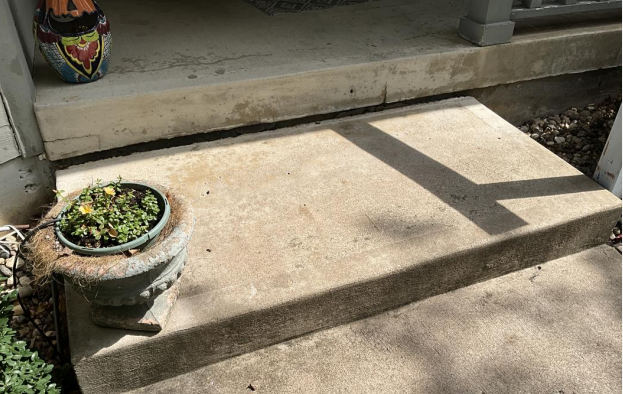
Water intrusion is a common issue in homes, especially in basements. Identifying signs early and understanding the underlying causes can save you a lot of headaches and expenses.
Signs of Water Intrusion
Water intrusion can manifest in many ways. Do you notice damp walls or musty odors in your basement? These are clear indicators of water issues. You might also see water stains on walls or floors, especially after heavy rain.
Mold growth is another telltale sign. If your basement feels humid and you spot mold, it’s time to act. Ignoring these signs can lead to significant damage over time, so early detection is essential.
Understanding Hydrostatic Pressure
Hydrostatic pressure occurs when water in the soil presses against your basement walls. This pressure can cause cracks and allow water to seep in. In areas with heavy rainfall or poor drainage, hydrostatic pressure is a common problem.
Understanding this pressure helps you choose the right waterproofing solution. Managing water around your home’s foundation can alleviate this pressure, reducing the risk of water intrusion.
Effective Basement Waterproofing
How can you protect your basement from water intrusion? Effective waterproofing involves several strategies. Installing sump pump systems can help manage water levels. These pumps remove water collected in a sump basin, keeping your basement dry.
French drains are another solution. They redirect water away from your foundation, reducing pressure. Waterproofing coatings on walls can also help keep moisture at bay. Each solution offers benefits, so consider your specific situation when choosing.
Tackling Concrete and Crawl Space Problems
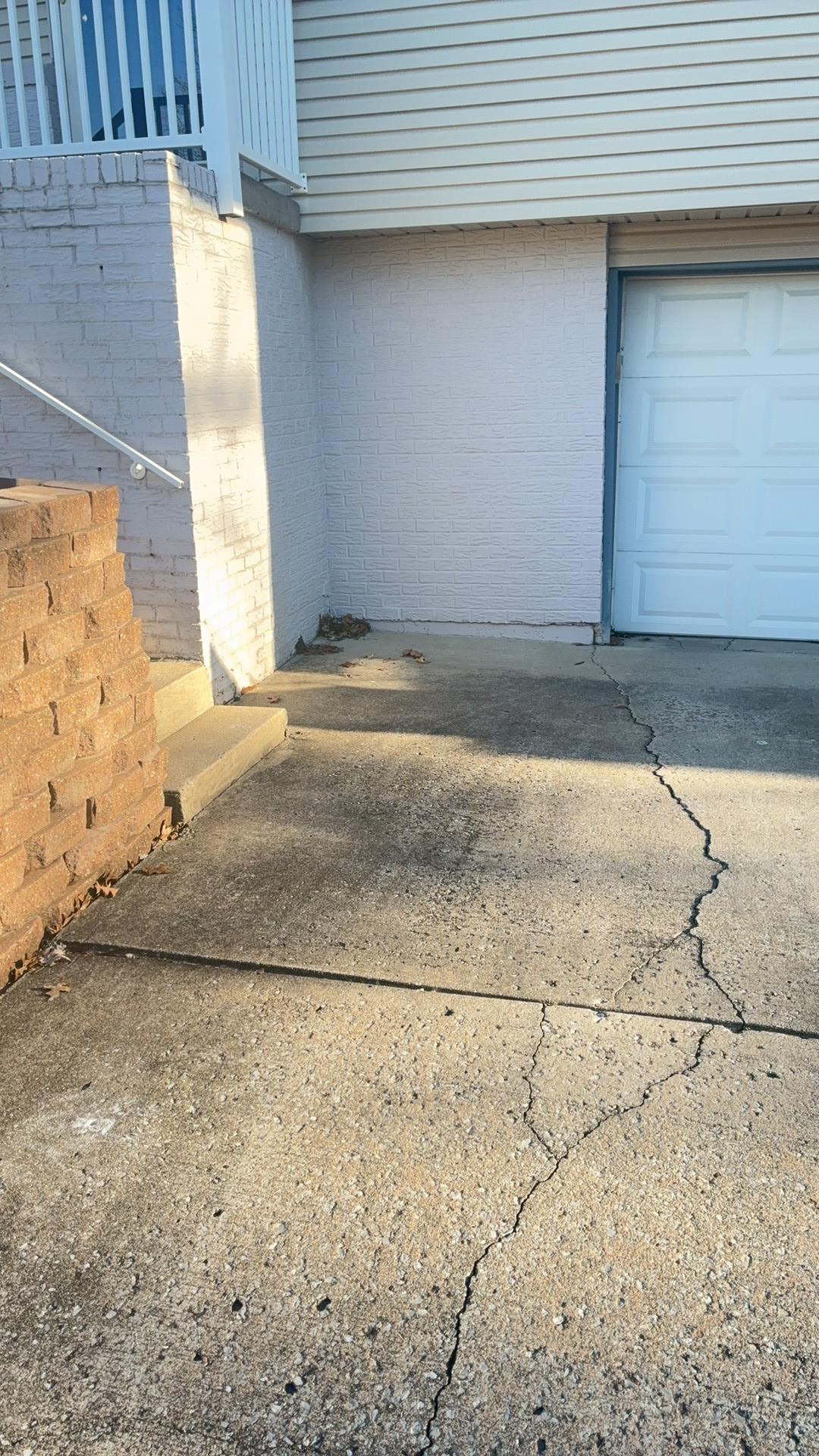
Concrete issues and crawl space problems can affect your home’s stability and comfort. Recognizing these problems early and addressing them effectively is key to maintaining a healthy home.
Identifying Sunken Concrete
Sunken concrete is not just an eyesore; it can be hazardous. You might notice uneven surfaces on driveways or sidewalks. These are signs that the ground beneath the concrete is unstable or eroding.
Sunken concrete can lead to water pooling, increasing the risk of slips and falls. It’s essential to address these issues promptly to maintain safety and curb appeal.
Concrete Lifting with Polyjacking
Polyjacking is a modern solution for sunken concrete. It involves injecting a high-density foam under the concrete to lift and stabilize it. This method is quick and minimally invasive, making it a popular choice.
Polyjacking is environmentally friendly and offers long-lasting results. It’s an effective way to level concrete surfaces without the need for complete replacement. For more insights on concrete repair signs, check out Reliable Foundations’ guide.
Crawl Space Repair Solutions
Crawl space problems can lead to serious issues if ignored. Moisture in crawl spaces can cause mold growth and structural damage. Addressing these problems involves sealing and insulating the space.
Proper ventilation is also crucial. Installing vapor barriers and dehumidifiers can help control moisture levels. These solutions protect your home from future issues, ensuring a safe and healthy environment.
Frequently Asked Questions
How do I know if my home needs foundation repair?
Look for signs like wall cracks, sticking doors, and uneven floors. These are common indicators of foundation problems. If you notice any of these, it’s wise to seek a professional evaluation.
What causes water intrusion in basements?
Poor drainage, hydrostatic pressure, and cracks in foundation walls are common causes. Addressing these issues with waterproofing solutions can prevent further damage.
What is polyjacking, and how does it work?
Polyjacking is a method used to lift sunken concrete by injecting foam underneath. The foam expands, stabilizing the concrete effectively and efficiently.
Why is my crawl space damp?
Dampness in crawl spaces often results from inadequate ventilation or water seepage. Installing vapor barriers and improving drainage can mitigate this issue.
What is the best waterproofing method for basements?
The best method depends on your specific situation, but options include sump pumps, French drains, and waterproof coatings. Consulting with a professional can help determine the best solution for your home.
Understanding and addressing these common issues can help maintain your home’s health and value. Always consult with professionals to assess and choose the best repair options for your needs.
Subscribe or Call for a consultation today