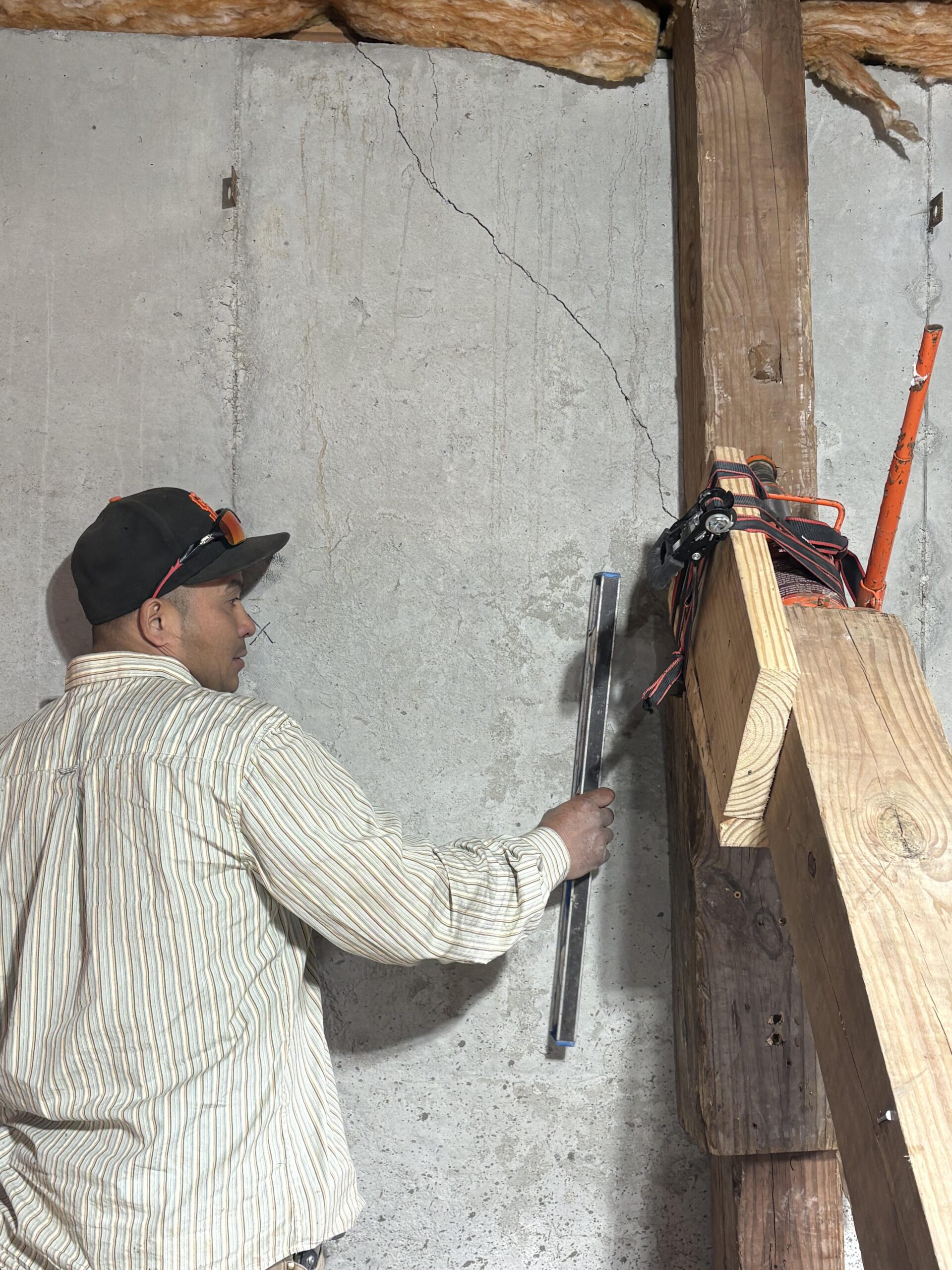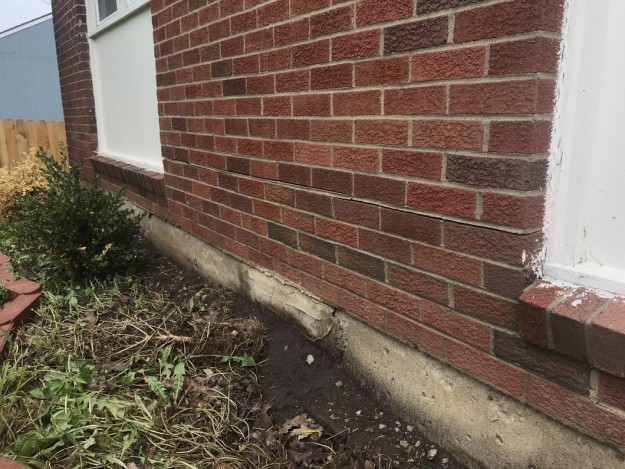
A settling foundation sends warning signs long before it fails. Stair step cracks in the brick, doors that stick in their frames, and floors that pitch toward one corner all point to the same issue. Homeowners want to know whether piers are a permanent foundation fix or a repair they will pay for twice. The answer depends on how the pier is installed, what it rests on, and who stands behind it.
Piers, Braces, and Posts and Footings are Not the Same Repair
We take many calls from homeowners who are certain they need piers. After we inspect the home, some of them need braces instead. Knowing the difference protects your budget and gets the right fix in the ground the first time.
What Piers Actually Do
Piers address settlement. We install them underneath the foundation, where they lift or support the footing that has cracked or underperformed. If your home is moving downward, piers are the repair that answers it.
When Braces Are the Better Call
Braces handle a different problem than settlement. Posts and footings serve another purpose again. Confusing the three is the most common mistake we correct during free evaluations.
Key Takeaway: Piers stop settlement. Braces and post and footings solve separate structural issues. An accurate diagnosis comes before any permanent foundation repair.
Our Installation Method
Not every pier on the market performs the same way. The way a pier transfers your home’s weight determines whether the repair holds for decades or needs revisiting.
Concentrically Loaded Piers Versus Helical and Bracketed Piers
We install concentrically loaded piers that sit directly underneath the foundation. That placement is meaningfully different from a helical pier or a bracketed pier, which attach at the side of the footing.
We encourage every homeowner to ask three questions before signing a contract:
- Where does the pier sit in relation to the foundation?
- What is the pier driven down to?
- What exactly does the warranty cover, and for how long?
Lifting from Load Bearing Strata
Our piers sit directly under the foundation’s load and lift from load-bearing strata, which many people call bedrock. We install them in three- to eight-foot increments until they reach that competent soil layer.
- Direct load path: weight travels straight down through the pier.
- Stable footing depth: support comes from strata, not surface soil.
- Repeatable results: the same method works across settled homes throughout the Kansas City area.
Pro Tip: Ask any contractor to show you where the pier makes contact with your foundation. Support placed beneath the load performs better than support bolted to the side.
Need expert help with foundation settlement or cracked footings? Contact KC Pier for a free consultation and a straight assessment of what your home actually needs.
A Lifetime Warranty that Stays with the Home
Our piers are a lifetime product. Once installed, they stay in place and keep doing their job for as long as the house stands.
Are Piers a Permanent Foundation Fix for the Next Owner?
Yes. The piers and the lifetime warranty stay with the home itself, no matter who lives there. Whether you plan to stay for thirty years or list the property next spring, the coverage transfers with the address.
A Warranty You Can Read in Three Sentences
Our warranty is written in two to three sentences with no exceptions. Homeowners should not need an attorney to understand what they purchased.
Key Takeaway: A lifetime pier product is only as strong as the warranty behind it. Ours is short, clear, and permanent.
Schedule Your Free Foundation Evaluation
Settlement gets more expensive the longer it goes unaddressed. Our team will inspect your foundation, explain whether you need piers or braces, and give you a written scope with no pressure. Call KC Pier today to schedule your free quote and get a clear answer to the question homeowners ask most: are piers a permanent foundation fix?