Every poured concrete slab is guaranteed to do two things: get hard and crack. That is common knowledge in our industry, and we tell every homeowner the same thing. Many cracks are normal. The ones that need attention almost always trace back to one cause, and that cause is water. If you want to maintain a slab foundation for decades, you need to control how water moves around your house. Here is what our team at KC Pier recommends.
Why Concrete Slabs Crack
Micro Movements Through the Seasons
Concrete sits on soil that changes with the weather. Add the weight of the structure itself, and you get small shifts almost daily. You rarely notice them, but they create stress points over time.
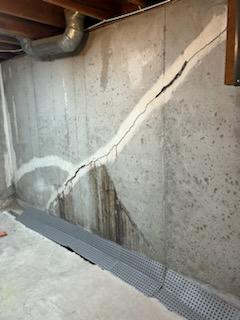
Those stress points show up as cracks in basement slabs, garage floors, driveways, and even foundation walls. This is expected behavior for poured concrete.
Normal Cracks Versus Cracks That Need Repair
Many cracks are harmless. Others need professional attention. Our experts can usually tell the difference within a couple of minutes of seeing the crack, so you do not have to guess or spend money before you know what you are dealing with.
Water Management: The Root of Almost Every Foundation Issue
Too Little Water Creates Voids
When the soil under a slab dries out, it shrinks and leaves a void. With nothing holding it up, the concrete cracks and follows that void.
Too Much Water Creates Pressure
When the soil is saturated, it pushes against the slab and foundation. That pressure produces cracks just as reliably as dry conditions do. Either way, the issue is water management around the house.
Pro Tip: Walk your property during a heavy rain. Watch where the water pools and where your downspouts discharge. That short walk tells you more than any inspection on a dry day.
Need expert help with slab foundation repair or a full home assessment? Contact KC Pier for a free consultation.
How to Maintain a Slab Foundation Year-Round
Manage Water From the Roofline Down
Slab foundation maintenance starts at the gutters. We check three things on every visit:
- Are the gutters clear? Clogged gutters dump water right next to the foundation.
- Where do the downspouts lead? They should discharge well away from the house.
- Is there a sump pump? If so, make sure it sends water away from the house during heavy rain, not back toward the slab.
Maintain a Positive Grade
The soil around your house should slope away from the foundation. During a rainstorm, water should wash away from the slab instead of settling beside it. If you see low spots or negative grading, add soil and regrade those areas.
Key Takeaway: Good water management keeps a slab healthy. Clean gutters, extended downspouts, a working sump pump, and a positive grade prevent most problems before they start.
What Happens When a Crack Needs Repair
It Starts With a Holistic Home Assessment
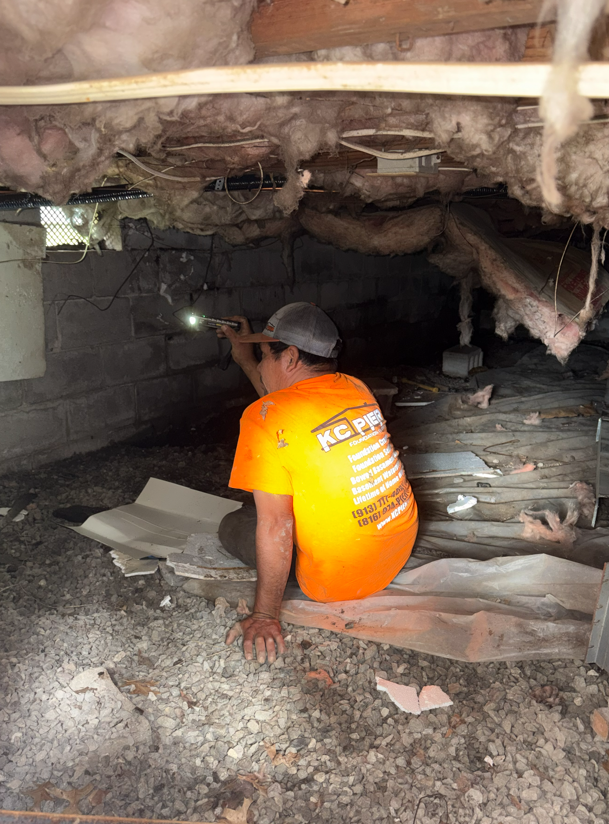
At KC Pier, we teach a holistic approach to home assessment, and it always starts with water. We look at gutters, downspout discharge, sump pumps, and grading before we recommend any repair. Repairing the crack without addressing the water source only invites more cracks.
Proven Methods, Backed by Experience
If a void or crack does develop, there are proven methods to repair it. Our repair crews have been with us for years and have completed this work 8,000 times. That experience allows us to provide warranty-backed solutions that can last up to a lifetime.
Protect Your Slab for the Life of Your Home
Do not wait for a small crack to become a structural problem. Call KC Pier today to schedule your free assessment, get a clear quote, and learn exactly how to maintain a slab foundation for decades to come.