
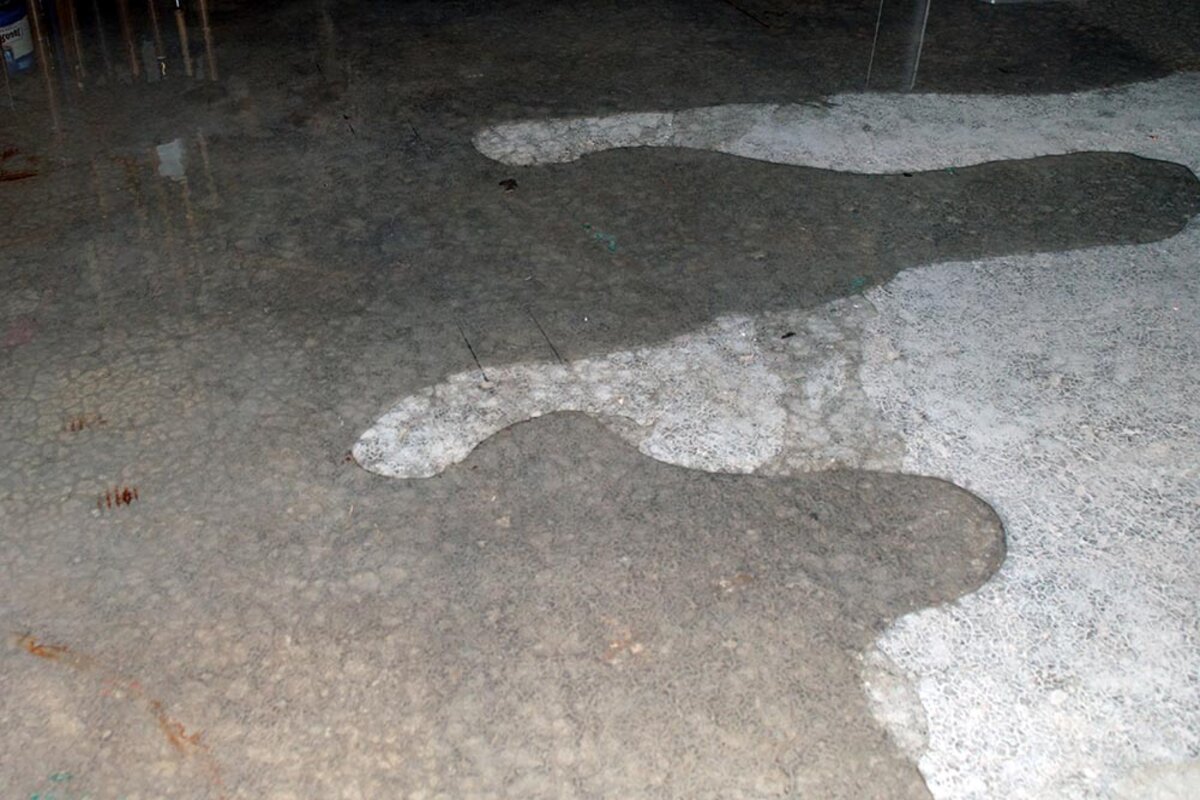
A foundation leak in Kansas City is always worth investigating, but the urgency ranges from simple monitoring to an immediate call. The answer depends on where the water comes from, the type of crack you see, and whether your foundation is actively moving.
Below, we break down exactly how to tell which situation you are facing, and what to do about it.
Why a Foundation Leak in Kansas City is Especially Serious
Our region sits on expansive clay soil, and that single fact shapes nearly every foundation problem we see. This soil swells when wet and shrinks when dry, pushing and pulling against your foundation all year long.
The Clay Soil Problem
Most of the metro rests on clay with a very high shrink-swell rating. When spring rains saturate the ground, the soil expands and presses hard against the basement walls. That pressure forces water through any crack, joint, or seam it can find.
The Freeze-Thaw and Drought Cycle
Kansas City winters add a second strain. Water enters small cracks, freezes, expands, and widens the gap. Then summer droughts shrink the clay away from the wall, leaving voids where water pools during the next storm. Over the life of a home, that adds up to dozens of stress cycles.
Key Takeaway: In our climate, a small leak rarely stays small. The same soil movement that created the crack keeps working on it season after season.
The Two Types of Leaks, and Why It Matters
Not every leak is the same, and the source changes both the urgency and the fix.
Plumbing and Slab Leaks
A broken supply or sewer line under your slab can leak for years before you notice. Watch for an unexplained spike in your water bill, warm spots on the floor, or a sudden drop in water pressure. These leaks quietly wash out the soil beneath your home.
Groundwater and Hydrostatic Leaks
The more common culprit here is groundwater pressure pushing through wall cracks, mortar joints, or the cove joint where the wall meets the floor. This is the classic Kansas City clay problem, and it points to outside soil conditions rather than your plumbing.
Pro Tip: If your water bill jumps with no change in usage, suspect a plumbing leak first. If the water shows up after heavy rain, suspect hydrostatic pressure.
Need expert help with your foundation or basement leak? Contact KC Pier for a free, no-pressure consultation and a clear written estimate.
How to Tell How Serious Your Leak Is
The crack itself tells us a great deal. Use the scale below as a quick triage guide.
| Sign | Severity | What to Do |
| Hairline or shrinkage crack | Low. Monitor | Mark, photograph, seal |
| Vertical crack | Moderate | Seal if actively leaking |
| Diagonal crack near doors or windows | Moderate to high | Schedule an inspection |
| Horizontal crack | Severe | Call right away |
| Stair-step crack in block or brick | Severe | Call right away |
| Bowing wall or crack wider than 1/4 inch | Severe | Treat as urgent |
Cracks You Can Monitor
Thin, vertical, or hairline cracks are common in poured concrete. They can still seep water, so seal and watch them, but they rarely signal structural failure on their own.
When a Foundation Leak in Kansas City Becomes an Emergency
Horizontal cracks, stair-step cracks, and any bowing or buckling are different. They tell us the wall is under heavy soil pressure and may be failing. If you see these, do not wait.
The Real Cost of Waiting
A hairline seep that costs a little to seal today can become a structural repair that costs many times more after a few wet seasons. Standing moisture also invites mold, which harms indoor air quality, and visible foundation damage lowers your home’s value and complicates any future sale.
Key Takeaway: Early action almost always costs a fraction of a full structural repair. The cheapest day to fix a leak is the day you find it.
What to Do Right Now: A 3-Step Triage
- Rule out the easy fixes. Check that gutters, downspouts, and grading send water away from the house, not toward it.
- Monitor and document. Mark the ends of each crack with a pencil, then take dated photos over a few weeks to see if it grows.
- Know your DIY limit. Small, non-structural cracks can be sealed with injection. Bowing walls, widening gaps, or horizontal cracks need a professional now.
Does Homeowners Insurance Cover It?
Coverage varies. Most policies exclude gradual seepage and settlement, while a sudden plumbing failure may be covered. Review your policy and document everything before you file.
Why Homeowners Call Our Team
We are licensed in Kansas and Missouri, backed by a lifetime warranty, and rated 4.9 stars across hundreds of reviews. Our in-house crews handle the work from start to finish, never subcontractors, so the quality stays consistent.
Get Answers Before the Next Heavy Rain
A leak is your foundation asking for attention, and the smartest response is a quick, honest assessment from a local expert. We will tell you whether you can simply monitor it or whether repair makes sense, with no pressure either way. Schedule your free inspection today and let our team show you exactly how serious your foundation leak in Kansas City really is.