
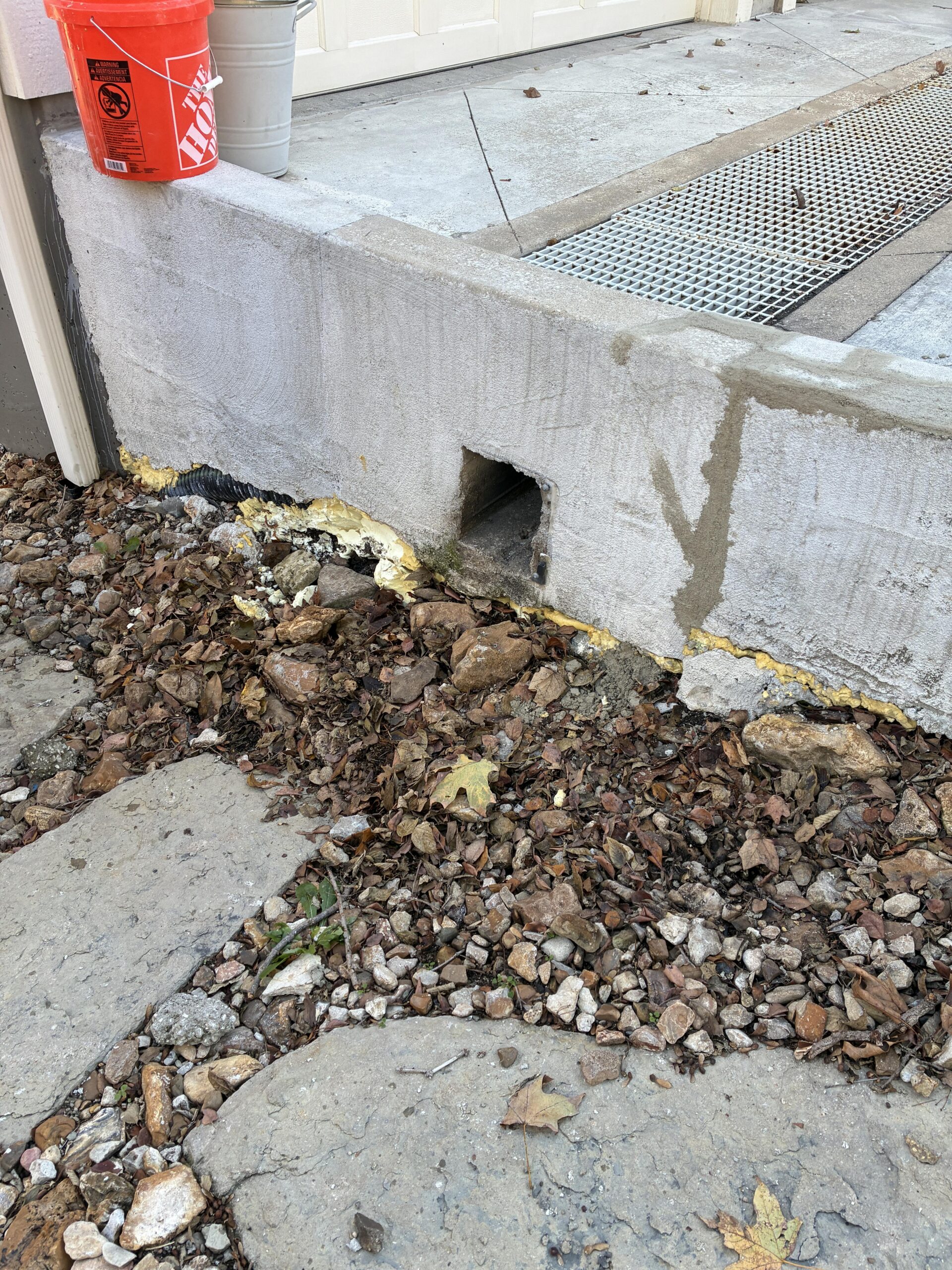
Kansas City foundation problems often start with small signs: cracks in walls, uneven floors, or doors that stick. Ignoring these clues can lead to costly repairs down the road. The key is to identify the root cause before choosing a fix, since most foundation issues have more than one solution. This post will help you understand what’s really going on beneath your home and how to pick the right repair for your specific situation. For more information, you can check this link.
Understanding Foundation Issues
Spotting the signs of foundation trouble early can save you from major expenses later. When you know what to look for and why it happens, you’re better equipped to address issues efficiently.
Common Signs of Trouble
Foundation problems often start small, and it’s important to know what to watch for. Cracks in your walls or ceilings, uneven or sloped floors, and doors that stick or won’t close properly are common indicators. If you notice any of these, it’s time to take action.
Small cracks might not seem urgent, but they can expand, leading to more serious issues. Uneven floors can signal that your foundation is settling unevenly. Doors that stick might mean your house is shifting. Addressing these signs early can prevent bigger problems later, like structural damage or water intrusion.
Causes of Foundation Problems
Foundation issues arise from several factors. Some are due to natural elements, while others result from construction methods. Soil conditions, especially in Kansas City, play a major role. Expansive clay soil can swell and shrink dramatically with moisture changes, causing your foundation to move.
Poor drainage around your home can also contribute to foundation problems. If water pools near your foundation, it can create pressure that leads to cracks and movement. Construction errors like inadequate footings or subpar materials can exacerbate these natural issues.
Role of Expansive Clay Soil
In Kansas City, expansive clay soil is a common culprit behind foundation woes. This type of soil expands when wet and contracts when dry. These constant shifts put stress on your foundation, leading to cracks and uneven settling.
Understanding the role of clay soil helps in selecting appropriate repair methods. For instance, ensuring proper drainage can alleviate the pressure on your foundation. By managing the moisture levels around your home, you can minimize the soil’s expansion and contraction, reducing the risk of foundation damage.
Diagnosing Before Repair
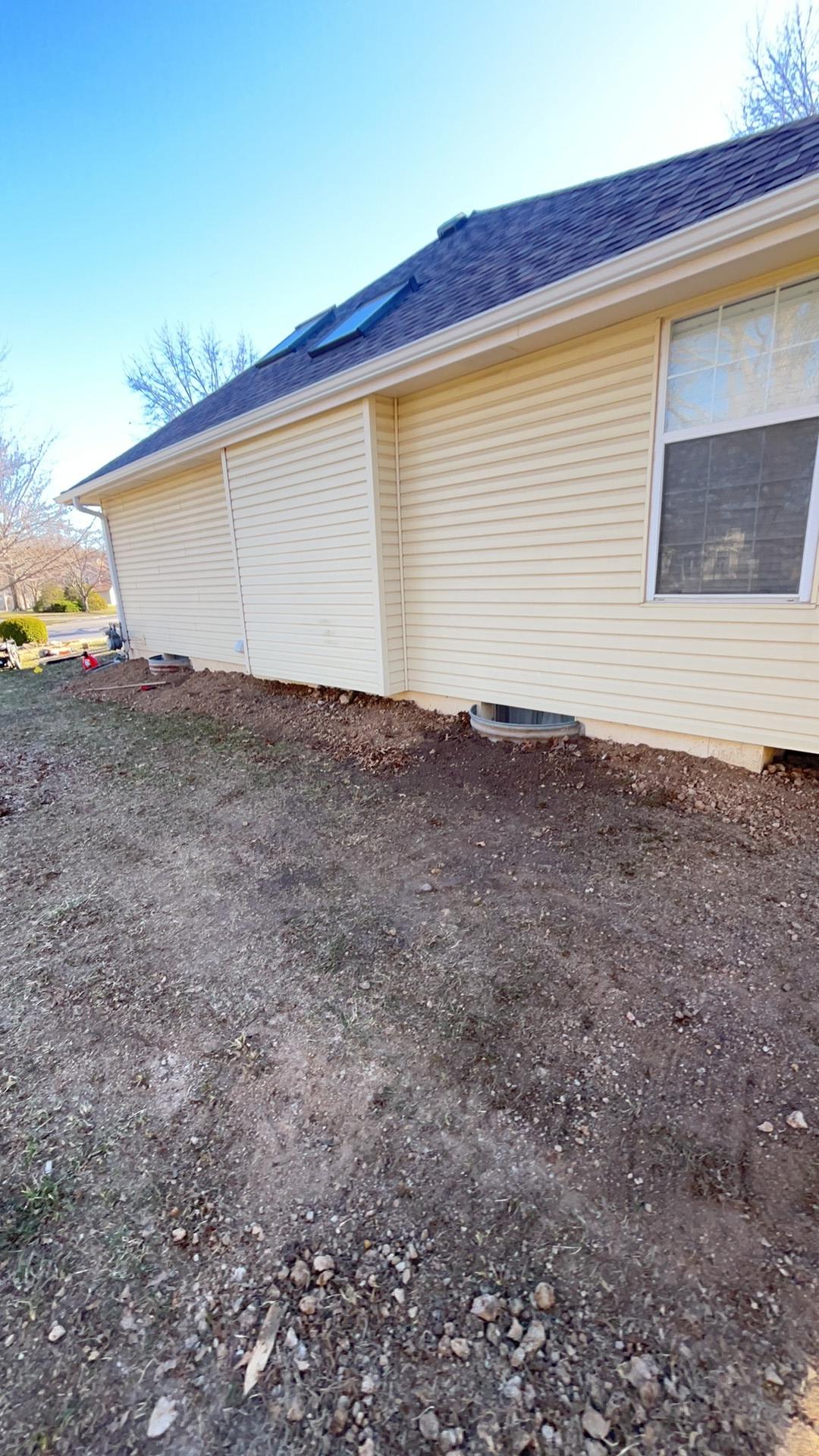
Getting a proper diagnosis is crucial before diving into repairs. It ensures you tackle the root cause, not just the symptoms, saving you time and money in the long run.
Importance of Accurate Diagnosis
A thorough foundation inspection in Kansas City ensures you understand what’s happening beneath your home. Accurate diagnostics can pinpoint the exact cause of the issues, be it soil movement or poor construction.
Without a proper diagnosis, you might choose the wrong repair method, leading to further damage and costs. Understanding the problem fully allows you to select a solution that addresses the root cause, not just the visible symptoms.
Methods of Foundation Inspection
Professional inspection involves several methods to determine foundation health. Visual inspection is the first step, where experts look for surface signs like cracks or misaligned doors. They may use laser levels to assess floor leveling as well.
Advanced methods include soil testing around your foundation to understand its composition and behavior. Moisture readings can highlight drainage issues. These inspections provide a comprehensive view of your foundation’s condition, guiding the repair process effectively.
Seasonal Soil Movement Effects
Seasonal changes significantly impact soil behavior and, consequently, your foundation. In Kansas City, the soil expands during wet seasons and contracts in dry periods, causing the foundation to shift. Understanding these seasonal effects is key to addressing foundation issues.
By recognizing how seasons affect your soil, you can take proactive measures. For example, proper drainage systems can manage water flow, reducing soil expansion. Regular inspections can help catch movement early, preventing serious damage down the line.
Exploring Repair Options
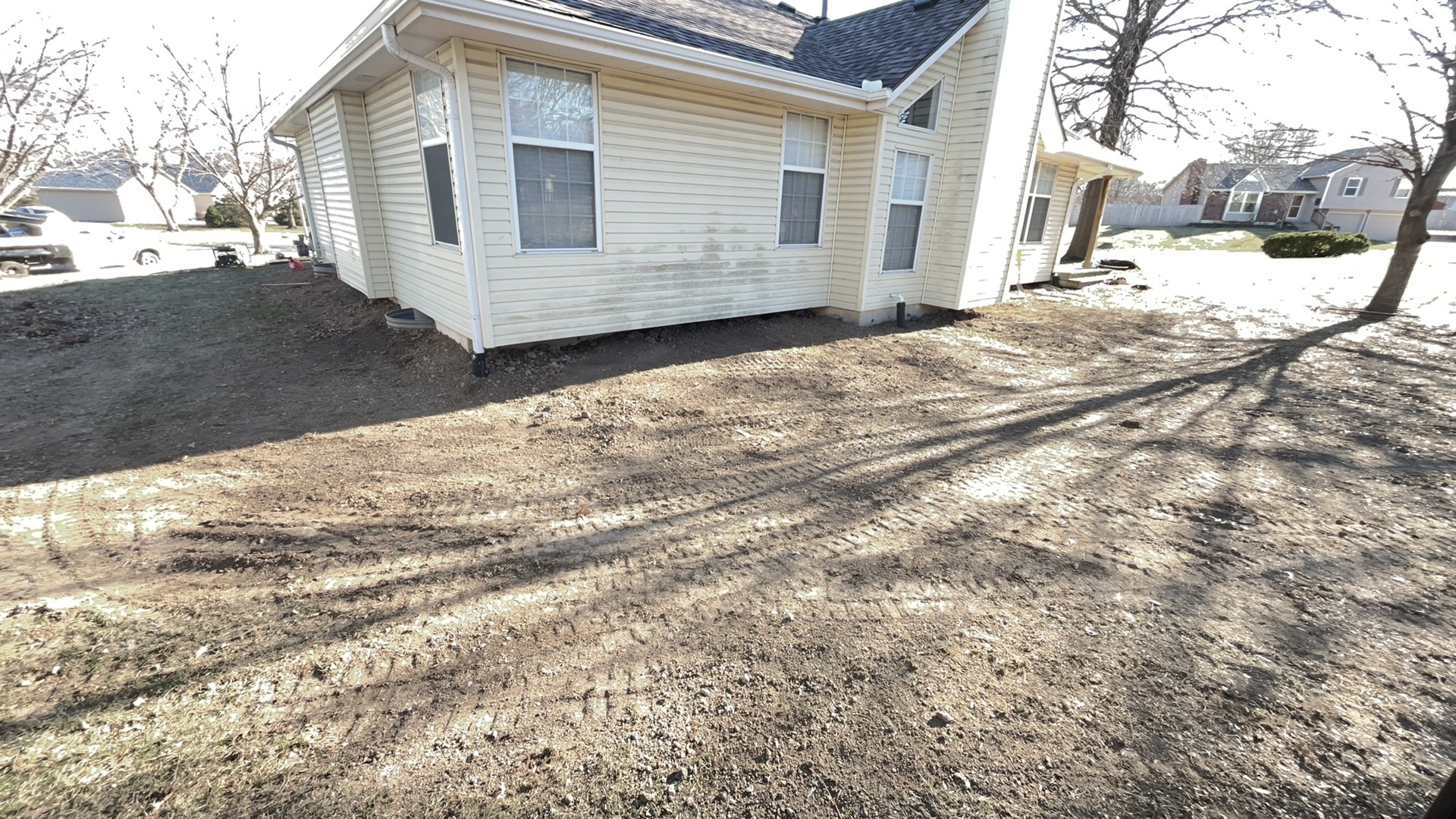
Once you’ve identified the cause of your foundation problems, it’s time to explore repair solutions. Not every issue needs an expensive fix, and understanding your options can help you choose the right one.
Foundation Piering Techniques
Piering is a common method for stabilizing foundations. It involves driving steel piers deep into the ground to support the weight of your home. This can be particularly effective in areas with unstable soils.
There are different types of piers, such as helical piers and push piers. Helical piers are twisted into the ground, providing support through resistance. Push piers are hydraulically driven and are often used for heavier structures. Both methods provide long-term stability and are chosen based on your specific soil and foundation type.
Waterproofing and Drainage Solutions
Effective waterproofing and drainage are essential for preventing future foundation issues. Ensuring that water doesn’t accumulate around your home can prevent soil from expanding and contracting.
Installing French drains or sump pumps can help manage water flow. These systems redirect water away from your foundation, reducing pressure and the risk of cracks. Using waterproof membranes can also protect your foundation from moisture intrusion, safeguarding your home against damage.
Concrete Lifting and Wall Stabilization
Concrete lifting, often referred to as polyjacking, is a technique used to level uneven floors. By injecting polyurethane foam beneath the concrete, you can lift and stabilize slabs. This method is less invasive and more cost-effective than replacing concrete.
For walls showing signs of bowing, stabilization techniques like wall anchors can provide support. These anchors connect your wall to the stable soil outside, preventing further movement. When combined with proper drainage, these methods can effectively address and prevent future issues.
Frequently Asked Questions
What are common signs of foundation problems?
Common signs include cracks in walls, uneven floors, and doors that won’t close properly. These can indicate that your foundation is shifting or settling unevenly.
How does expansive clay soil affect foundations?
Expansive clay soil swells when wet and shrinks when dry. This constant movement can put stress on your foundation, leading to cracks and uneven settling.
Why is accurate diagnosis important before repairing foundations?
Accurate diagnosis ensures you address the root cause of foundation problems, preventing further damage and unnecessary costs. It helps select the right repair method for lasting solutions.
What are some effective foundation repair options?
Repair options include foundation piering using helical or push piers, waterproofing to manage moisture, and techniques like concrete lifting to level floors. Choosing the right one depends on your specific issue and soil condition.
How do seasonal changes impact foundation health?
Seasonal changes cause soil to expand and contract, affecting foundation stability. Understanding these effects helps in implementing preventive measures like proper drainage to protect your home.
Subscribe or Call for a consultation today