
Kansas City’s soil and weather cause more foundation headaches than most homeowners realize. Expansive clay and loess soils swell and shrink with moisture, making your foundation shift, concrete settle, and basements leak. Knowing how these local conditions work helps you spot problems early and choose the right repair—without guessing. Let’s break down why your home acts this way and what you can do to keep it safe and dry.
Understanding Kansas City Soil and Weather
Understanding why your home’s foundation seems to have a mind of its own starts with knowing the ground it’s built on. Kansas City’s unique soil and weather patterns play a huge role in foundation movement and potential damage.
Expansive Clay and Loess Soils
Kansas City is known for its expansive clay and loess soils. These soils can swell with moisture and shrink when dry, causing shifts in your foundation. This constant expansion and contraction is like a tug-of-war on your home’s base, which can lead to cracks and settling. Think of your foundation as a seesaw, constantly tipping back and forth as soil swells and shrinks. This movement can stress the structure, leading to visible cracks in walls and uneven floors. By understanding this characteristic of local soils, homeowners can be more vigilant about spotting signs of stress early on.
Freeze-Thaw Cycles in Missouri
Missouri’s freeze-thaw cycles pack a punch on foundations. Water in the soil freezes, expands, and thaws repeatedly, pushing against your foundation each time. This cycle can cause cracks and even shift the foundation over time. When water seeps into cracks and freezes, it expands and widens the gaps. Over time, this can lead to serious structural issues. It’s like watching a can of soda left in the freezer burst open. Homeowners should be aware that even small cracks can become major problems during cold months.
Seasonal Foundation Movement
The seasons bring their own unique challenges. In wet seasons, soil swells, while in dry spells, it contracts. This seasonal movement can lead to noticeable shifts in your foundation. You may notice doors sticking or floors becoming uneven. Regular inspections can help catch these early signs of movement before they become costly repairs. By staying informed about how the seasons affect your home, you can take proactive steps to mitigate damage.
Identifying Foundation Problems

Spotting the early signs of foundation issues can save you time and money. Knowing what to look for is your first line of defense.
Recognizing Foundation Settlement
Foundation settlement is when parts of your foundation sink into the ground unevenly. This can cause cracks in walls, uneven floors, and doors that won’t close properly. A straightforward way to spot settlement is by checking if your floors are level. Use a simple marble test: place a marble on the floor and see if it rolls. If it does, it could indicate uneven settling. Paying attention to these small details can help catch problems early.
Diagnosing Basement Water Intrusion
Water in your basement is more than just a nuisance; it can be a sign of hydrostatic pressure or poor drainage. Look for water stains, musty odors, or even visible water pooling. Hydrostatic pressure occurs when underground water pushes against the foundation, trying to find its way into your basement. If you notice damp spots or a persistent musty smell, it’s time to investigate further. Acting quickly can prevent this pressure from causing more damage.
Signs of Concrete Settling
Concrete settling is common in Kansas City due to the soil. Look for sinking slabs, cracks, and gaps between the concrete and the foundation. These signs indicate that the ground beneath isn’t supporting the concrete evenly. If left unchecked, this can lead to trip hazards and further structural issues. By regularly inspecting your concrete surfaces, you can catch these signs early and address them before they worsen.
Solutions and Prevention Strategies
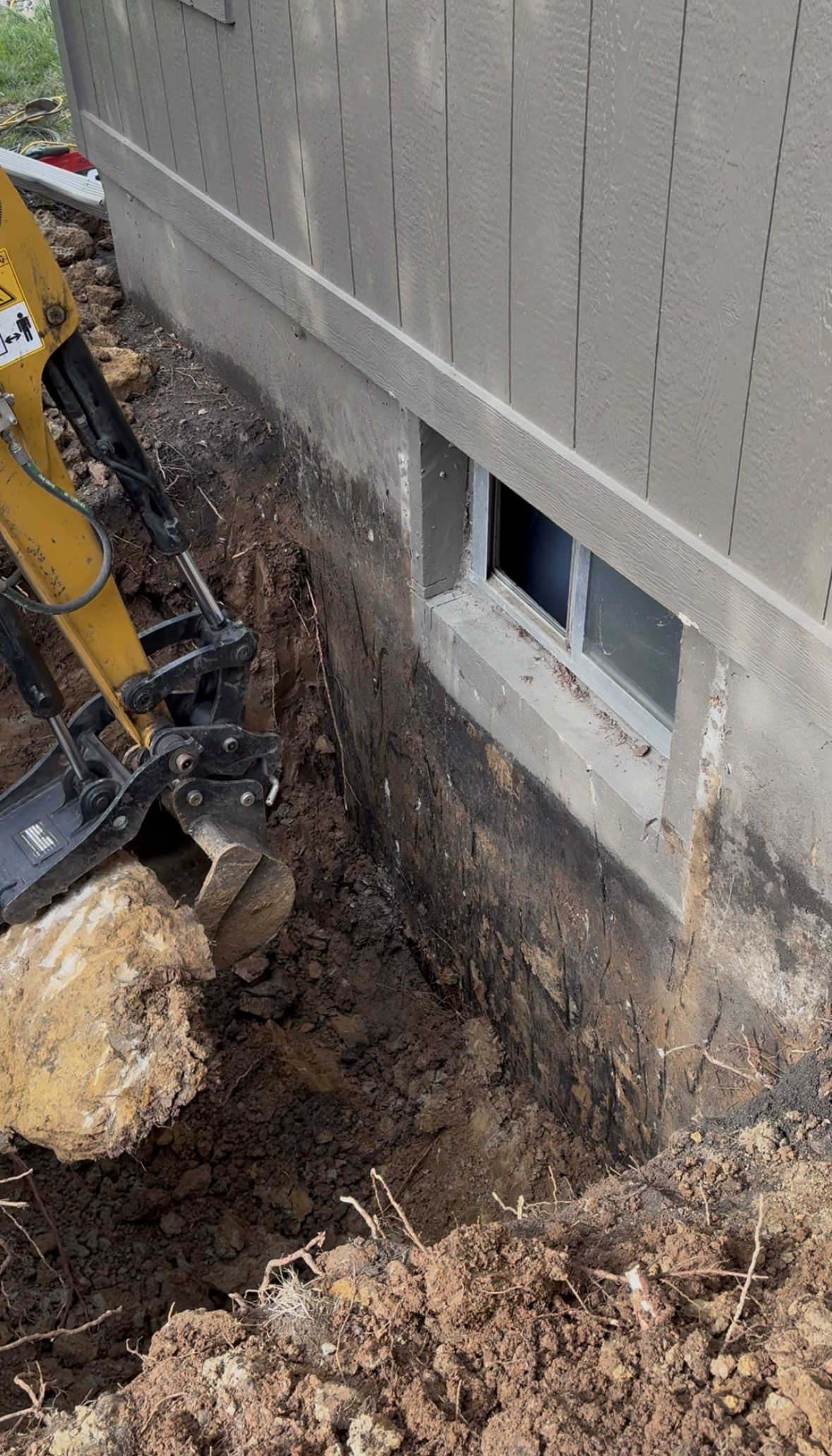
Once you understand the problems, finding the right solutions is straightforward. Let’s explore some effective ways to protect and repair your home.
Foundation Repair Options
When it comes to foundation repair, there are several options available. Helical piers and push piers are popular choices for stabilizing foundations. These piers are like sturdy stilts driven deep into the ground to support your home. Depending on your home’s needs, one may be more appropriate than the other. Consulting with experts can help determine the best fit for your situation.
Effective Basement Waterproofing
Basement waterproofing is crucial in Kansas City, where water intrusion is common. Interior drain tile systems and sump pumps are effective solutions. These systems work by channeling water away from your home’s foundation, preventing it from seeping in. Ensuring your sump pump is in good working condition can save you from future headaches. Regular testing and maintenance are key to keeping your basement dry.
Concrete Lifting Techniques
Concrete lifting, such as polyjacking, is an effective way to address settling slabs. Polyjacking involves injecting a lightweight material beneath the concrete to level it. This method is less invasive than traditional mudjacking and offers more durable results. By addressing uneven concrete early, you can prevent further settling and maintain a safe environment around your home.
Frequently Asked Questions
What are expansive clay and loess soils?
Expansive clay and loess soils are types of soil that swell when wet and shrink when dry. This can cause significant movement in the foundations built on them, leading to potential structural issues.
How do freeze-thaw cycles affect my foundation?
Freeze-thaw cycles cause water in the soil to expand and contract. This can put pressure on your foundation, leading to cracks and movement over time.
What are signs of foundation settlement?
Common signs include cracks in walls, uneven floors, and doors that stick or won’t close properly. These indicate that parts of your foundation may be sinking unevenly.
How can I waterproof my basement effectively?
Installing interior drain tiles and sump pumps can effectively channel water away from your basement. Regular maintenance of these systems is crucial to prevent water intrusion.
What is polyjacking in concrete lifting?
Polyjacking involves injecting a lightweight material under concrete slabs to lift and level them. It’s a less invasive and more durable solution compared to traditional methods.
Subscribe or Call for a consultation today