
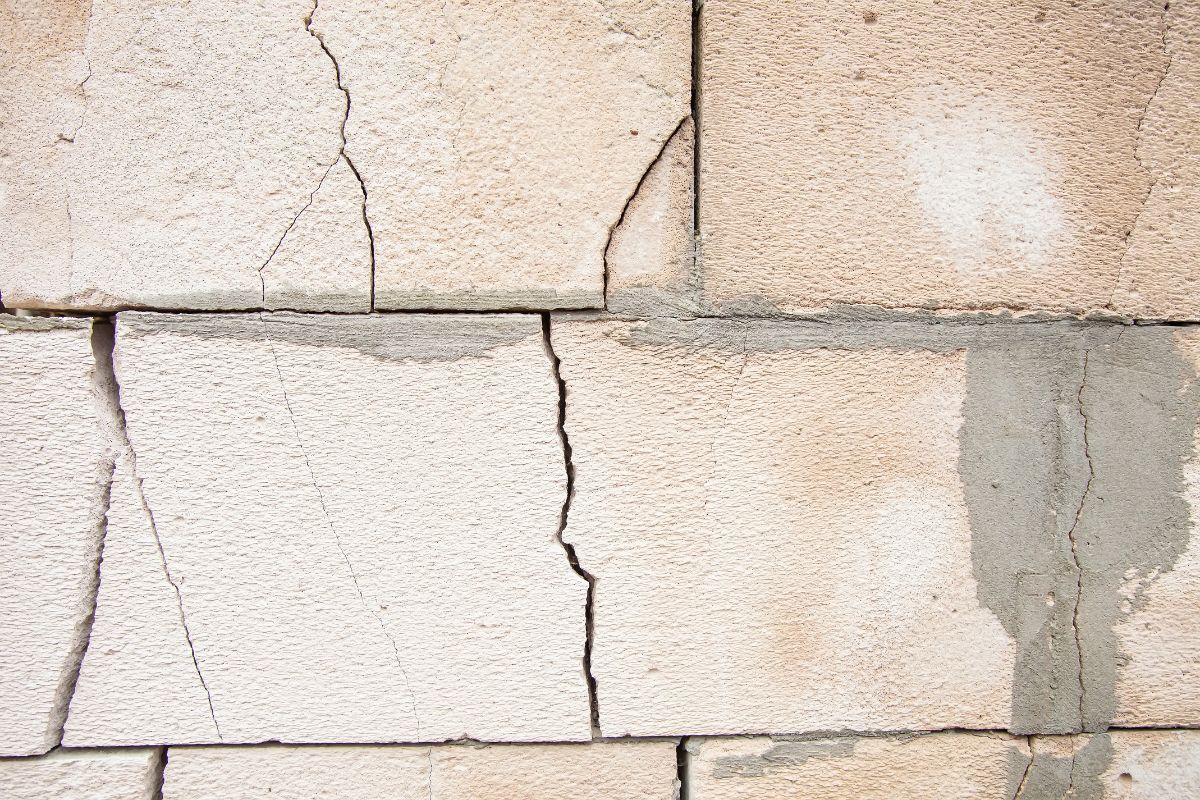
Structural wall cracks often signal movement or pressure that affects the stability of your home. Knowing how to identify these cracks early helps prevent larger structural issues and costly repairs.
Our team evaluates foundation damage every day, and we see how quickly minor cracks can turn into serious problems. This guide explains what structural cracks look like, what causes them, and how we fix them so you can take the right next step with confidence.
What Makes a Wall Crack Structural?
Not all cracks require repair, but structural cracks indicate stress that affects the strength of your foundation. These cracks typically form when soil pressure or settlement puts force on the wall beyond what it can handle.
We classify cracks as structural based on a few key factors:
- Width greater than 1/8 inch
- Horizontal, diagonal, or stair-step patterns
- Signs of movement, such as bowing or shifting
- Cracks that continue to expand over time
These conditions tell us the issue is not just cosmetic. It is tied to how the foundation is performing under load and pressure.
Common Types of Structural Wall Cracks
Horizontal Cracks and Wall Pressure
Horizontal cracks are one of the most serious forms of structural damage. They are usually caused by soil pushing inward against the foundation wall.
You may notice:
- Long cracks running across the basement walls
- Walls are starting to bow inward
- Moisture or water seepage along the crack
Stair-Step and Diagonal Cracks from Settlement
Stair-step cracks in block or brick walls follow the mortar joints and indicate uneven settlement. Diagonal cracks often appear near windows and doors and point to shifting in specific areas of the foundation.
These cracks often come with:
- Visible separation between materials
- Cracks that widen at one end
- Door and window alignment issues
Vertical Cracks That Become Structural
Vertical cracks are common, but they become structural when they widen or fail to stay sealed after repair.
Watch for:
- Cracks wider than 1/8 inch
- Reappearing cracks after patching
- Uneven floors near the crack
Key Takeaway: Crack direction, width, and movement matter more than anything. Horizontal and stair-step cracks are the clearest signs of structural stress.
What Causes Structural Wall Cracks and How to Spot Progression
Structural cracks form due to pressure, movement, and moisture conditions around your home. In many cases, more than one factor is involved.
The most common causes include:
- Soil pressure and water buildup that push against the foundation walls
- Foundation settlement from shifting or compressing soil
- Poor drainage that allows water to collect near the structure
- Freeze-thaw cycles that expand and contract the soil
As these forces continue, cracks often get worse. You should monitor for:
- Cracks widening over time
- Walls bowing or leaning inward
- Doors and windows sticking
- Water entering through cracks
These signs confirm the issue is active and needs attention.
Pro Tip: Mark the ends of a crack and check it monthly. If the crack grows or changes shape, it is no longer stable and should be evaluated.
How We Repair Structural Wall Cracks at KC Pier
The right repair depends on what is causing the crack. We focus on stabilizing the wall first, then addressing the underlying issue.
Wall Stabilization and Reinforcement
For walls under pressure, we use:
- Carbon fiber straps to stop further movement
- Wall anchors to pull the wall back into position
These solutions prevent additional cracking and restore structural stability.
Crack Sealing and Structural Bonding
When the crack itself needs reinforcement, we use epoxy injection. This restores the integrity of the concrete and seals out moisture.
Foundation Piering for Settlement
If the crack is caused by sinking soil, we install piers to stabilize and lift the foundation. This addresses the root cause instead of just the surface damage.
Need expert help with foundation issues? Contact KC Pier for a free consultation and get a clear plan to protect your home.
When to Act and How to Prevent Future Damage
Structural cracks rarely improve without repair. Acting early reduces cost and prevents more extensive damage.
You should schedule an inspection if you notice:
- Horizontal or stair-step cracks
- Cracks wider than 1/8 inch
- Any sign of wall movement
- Water intrusion through the foundation
How to Prevent Structural Wall Cracks
To reduce the risk moving forward:
- Maintain proper grading around your home
- Keep gutters and downspouts clear
- Direct water away from the foundation
- Monitor cracks regularly
These steps help control moisture and limit soil movement, which are the main drivers of foundation damage.
Get a Professional Evaluation Before Cracks Get Worse
Foundation problems do not stay the same. Small cracks can develop into structural failures if ignored. The key is identifying the cause early and applying the right solution.
Our team at KC Pier provides detailed inspections and proven repair methods designed to stabilize your home for the long term. If you are seeing signs of movement or damage, schedule an inspection today and get ahead of structural wall cracks.