
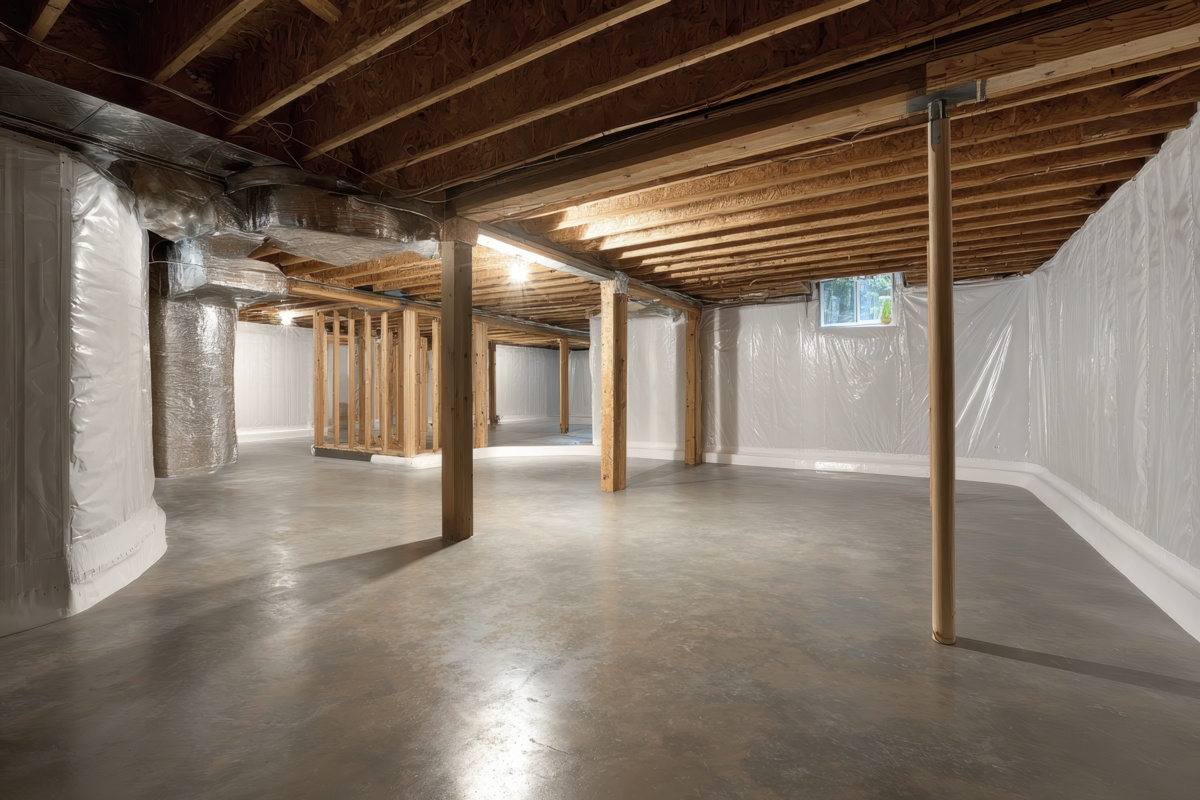
Basement water intrusion can lead to foundation damage, mold growth, and costly structural repairs. Choosing the best time to do basement waterproofing helps ensure the system is installed under the right soil and moisture conditions for long-term performance.
Seasonal groundwater levels, soil saturation, and temperature all affect waterproofing results. Understanding when conditions are most favorable allows repairs to work properly, reduces hydrostatic pressure against foundation walls, and helps prevent recurring basement leaks.
Why Timing Matters for Basement Waterproofing
Basement waterproofing works best when the conditions around your foundation allow the system to perform correctly. Soil moisture, water pressure, and weather patterns all affect the process.
Hydrostatic Pressure and Seasonal Ground Movement
Hydrostatic pressure is one of the main reasons water enters basements. This pressure builds when soil around the foundation becomes saturated.
During heavy rain or snowmelt, groundwater pushes against foundation walls. Over time, this pressure can cause:
- Foundation cracks
- Bowing basement walls
- Water seepage through concrete
- Structural stress on the foundation
Waterproofing systems must relieve this pressure and redirect water away from the home.
Soil Conditions Around Your Foundation
Exterior waterproofing work often requires excavation around the foundation. Soil conditions play a major role in the installation process.
Dry soil is easier to work with and allows waterproofing materials to bond properly. Saturated ground can slow excavation and reduce the effectiveness of certain sealants.
Material Performance and Installation Conditions
Waterproofing systems rely on materials that must cure properly to create a strong barrier. Temperature and moisture levels influence this process.
When conditions are stable, waterproofing membranes, drainage systems, and sealants perform better and last longer.
Key Takeaway: Timing does not just affect scheduling. Proper conditions allow waterproofing systems to perform as designed and protect the foundation for decades.
The Best Time to Do Basement Waterproofing
The best time to do basement waterproofing often falls between late summer and early fall. During this period, soil conditions and groundwater levels typically allow waterproofing systems to be installed more effectively.
Fall: Often the Ideal Season
Fall offers several advantages for waterproofing projects.
- Soil is usually drier after the summer heat
- Groundwater pressure is often lower
- Contractors can identify cracks and leaks more clearly
- Repairs are completed before winter moisture arrives
Waterproofing in the fall also prepares your home for winter snow and spring thaw cycles.
Late Summer: Another Excellent Window
Late summer often provides favorable installation conditions.
- Dry ground improves excavation work
- Sealants and membranes cure more effectively
- Contractors can install drainage systems efficiently
Addressing waterproofing issues during late summer can prevent major leaks when fall storms begin.
Pro Tip: If you already see water entering your basement, do not wait for the ideal season. Active leaks should be repaired as soon as possible to prevent foundation damage.
Waterproofing in Spring: Pros and Challenges
Spring is when many homeowners first notice basement water problems. Snow melt and seasonal rain increase groundwater pressure around foundations.
Advantages of Spring Waterproofing
Spring conditions can make it easier to identify basement issues.
Common signs include:
- Water stains on the basement walls
- Damp concrete surfaces
- Small cracks allowing water seepage
- Musty odors caused by moisture buildup
These warning signs help identify areas that require repair.
Challenges of Spring Waterproofing
Spring can also present obstacles for certain waterproofing methods.
- Saturated soil around the foundation
- Higher groundwater levels
- Frequent rain slowing excavation
Interior waterproofing systems often remain effective during this season, even when exterior work becomes more difficult.
Summer Basement Waterproofing: What Homeowners Should Know
Summer offers stable weather conditions that allow many waterproofing projects to move quickly.
Advantages of Summer Waterproofing
Summer provides favorable installation conditions for many waterproofing methods.
Benefits include:
- Dry soil that simplifies excavation
- Faster curing for waterproofing membranes
- Easier installation of exterior drainage systems
These conditions help contractors complete projects efficiently.
Potential Drawbacks
Summer is also one of the busiest seasons for foundation contractors.
This can result in:
- Longer scheduling times
- Increased demand for services
Planning ahead can help you secure an earlier appointment.
Winter Basement Waterproofing: Is It Possible?
Many homeowners assume waterproofing cannot be done during winter. Certain repairs remain possible depending on the type of system required.
Waterproofing Projects That Can Be Done in Winter
Interior waterproofing solutions often remain effective year-round.
Examples include:
- Interior drainage systems
- Sump pump installation
- Crack injection repairs
These methods redirect water before it enters the basement.
Limitations of Exterior Waterproofing
Exterior waterproofing can become difficult during winter due to frozen soil. Excavation around the foundation may not be practical until temperatures rise.
Need expert help with basement waterproofing? Contact KC Pier for a free consultation. Our team will inspect your foundation and recommend the right solution for your home.
Signs You Should Waterproof Your Basement Immediately
Timing matters, but some warning signs require immediate action.
Common indicators include:
- Water entering through basement walls
- Foundation cracks expanding over time
- Mold growth or strong musty odors
- Bowing basement walls caused by soil pressure
These issues can lead to serious structural damage if left untreated.
Foundation Cracks and Structural Stress
Cracks often allow water to enter the basement. Over time, they can widen and weaken the foundation.
Professional repair methods, such as epoxy or polyurethane injections, seal cracks and prevent further water intrusion.
Persistent Basement Moisture
Moisture problems can lead to mold growth and poor indoor air quality. Interior drainage systems and sump pumps help control groundwater before it enters the living space.
Key Takeaway: Early repairs cost far less than structural foundation repairs caused by long-term water damage.
Schedule a Basement Waterproofing Inspection
Basement water problems rarely improve without professional repair. Small leaks often grow into larger structural issues that require extensive foundation work.
KC Pier provides professional inspections to identify the source of water intrusion and recommend reliable solutions such as drainage systems, sump pumps, and foundation crack repair.
If you want to protect your foundation and prevent costly damage, contact our team today to schedule a consultation and determine the best time to do basement waterproofing for your home.