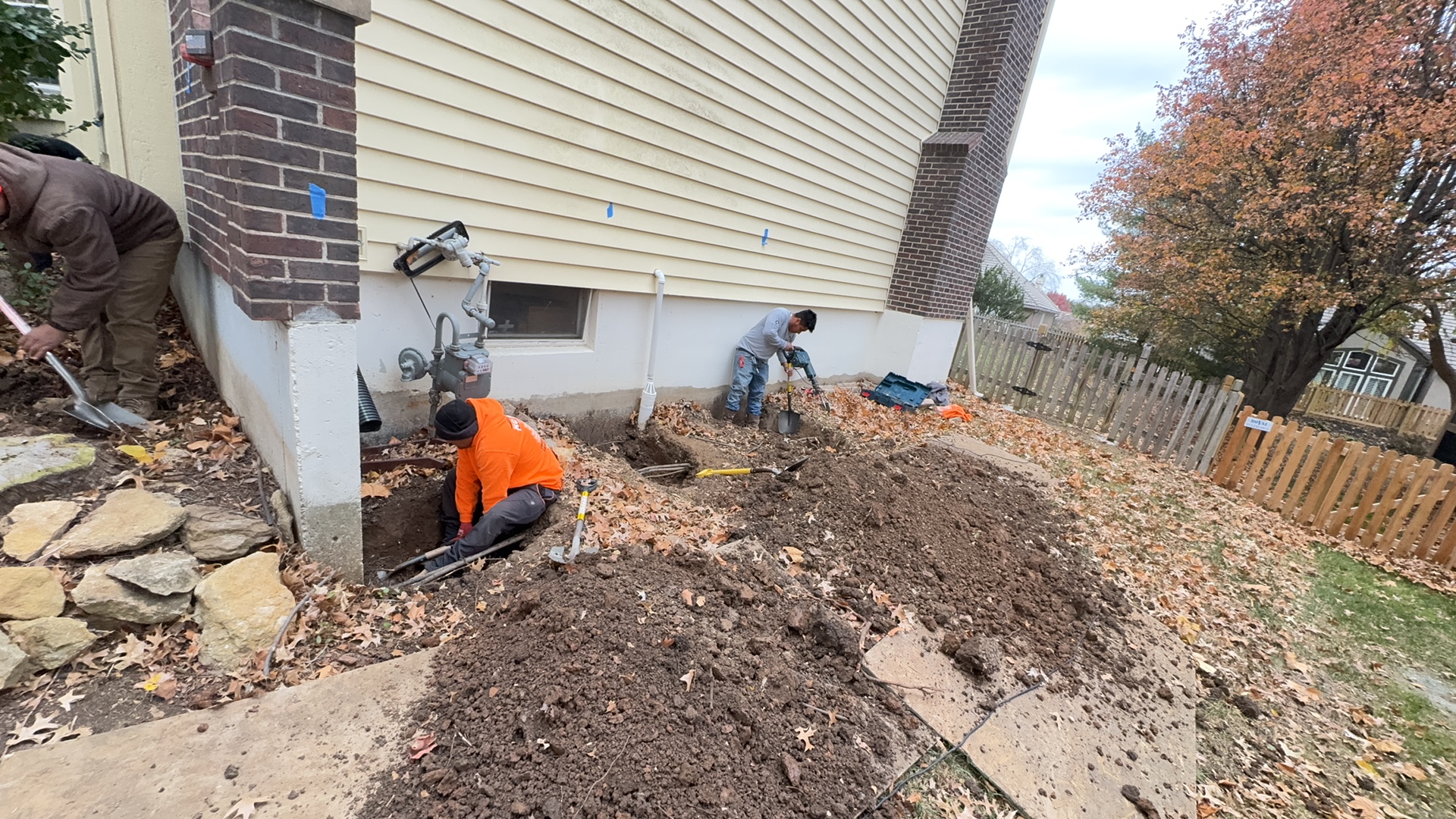
Summer heat is pulling moisture from Kansas City’s clay soils, and your foundation is feeling the strain. Dry soil foundation settlement leads to shrinking, wall cracks, sticking doors, and uneven concrete you can’t ignore. Spotting these warnings early can save you thousands and protect your home’s value. Let’s break down what’s happening beneath your feet and how KC Pier’s trusted experts help keep your foundation steady through drought and beyond.
Summer Heat and Its Impact
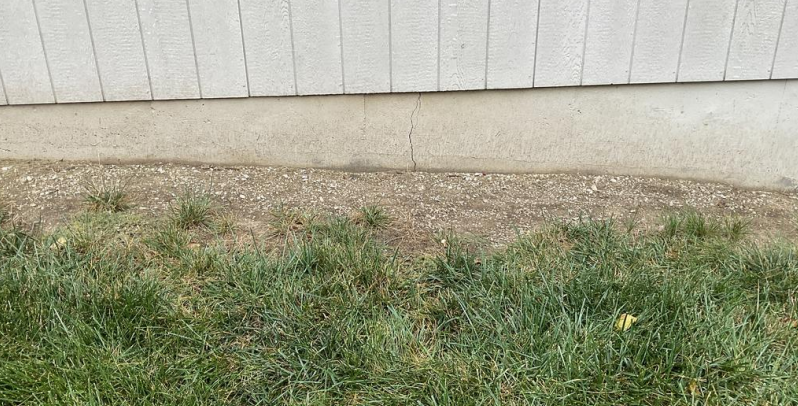
As summer in Kansas City intensifies, the impact on your home’s foundation becomes more apparent. The heat causes significant changes in the soil beneath your home, leading to potential structural issues.
Expansive Clay Shrink-Swell
Kansas City’s soil is known for its expansive clay properties. During dry spells, this clay loses moisture and shrinks. This shrinkage reduces the soil’s ability to support your home’s foundation, leading to potential shifts and cracking. It’s a cycle where the soil swells with moisture and then contracts when it dries out. These movements can cause stress on your foundation, making it crucial to monitor any changes closely.
Dry Soil Foundation Settlement
Dry soil can lead to foundation settlement, which is a common problem in Kansas City. When the soil supporting your foundation loses moisture, it compacts and creates voids. These gaps can cause your home to settle unevenly, leading to visible cracks in walls and floors. Regular inspections and early detection are essential to prevent costly repairs.
Wall Movement and Foundation Cracks
As the foundation settles, it can cause your walls to move and crack. You might notice new cracks appearing or existing ones widening. These are signs that your foundation is under stress. Monitoring these changes can help you address issues before they escalate. It’s important to seek professional assessment to determine the best course of action.
Recognizing Warning Signs
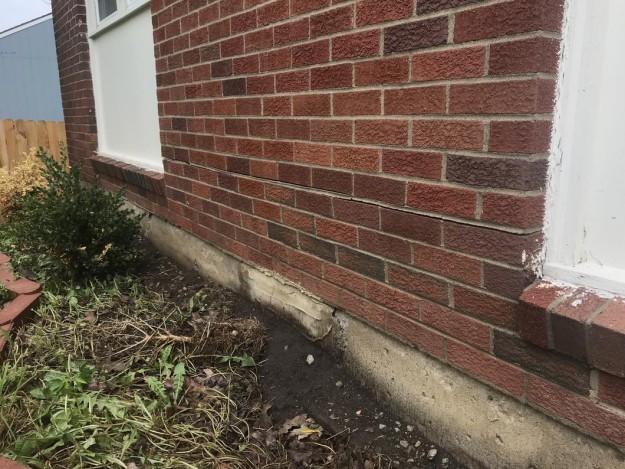
Recognizing early warning signs can save you from expensive repairs. Being proactive is key to maintaining your home’s structural integrity.
Gaps Around Foundation
One of the first signs of foundation issues is gaps forming around your home’s foundation. These gaps are often visible where the walls meet the floor or exterior surfaces. They indicate that the foundation is settling unevenly. Ignoring these signs can lead to severe structural damage over time.
Sticking Doors and Windows
If you notice doors or windows sticking or becoming difficult to open or close, it might be an indicator of foundation movement. Such changes in your home’s structure can cause frames to warp or shift. Regularly checking how your doors and windows operate can give you early insight into potential problems.
Bowing Basement Walls
Bowing walls in your basement are a clear sign of foundation issues. This occurs when the soil outside exerts pressure on the walls, causing them to curve inward. This is not only a structural concern but also a safety hazard. Addressing bowing walls promptly is crucial to preventing further damage.
Effective Solutions and Prevention
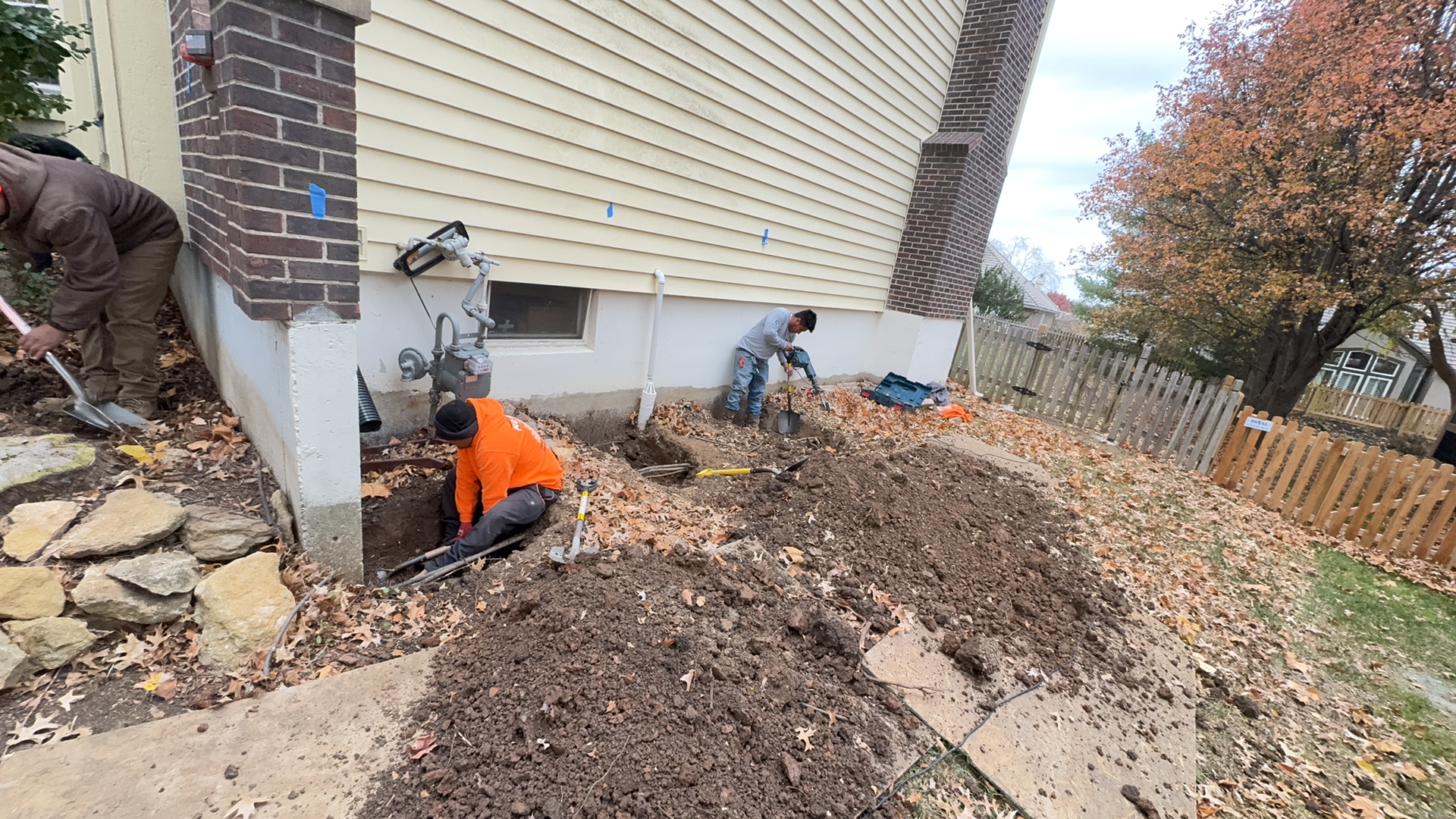
Proactive measures and effective solutions can protect your home from foundation issues caused by summer heat.
Concrete Lifting Kansas City
Concrete lifting, also known as polyjacking, is a technique used to level uneven concrete surfaces. In Kansas City, this method is particularly effective for addressing settlement issues caused by dry soil. It involves injecting a polyurethane foam beneath the concrete slab to fill voids and restore the surface to its original level. This solution is both efficient and long-lasting.
Foundation Piering Kansas City
Foundation piering is another effective solution for stabilizing your home’s foundation. This process involves inserting steel piers into the ground to support the weight of your home. By reaching deeper, more stable soil layers, foundation piering provides a secure and lasting solution to settlement problems. It’s a reliable method for Kansas City homes dealing with expansive clay issues.
Radon Testing and Mitigation Kansas City
Radon gas can seep into your home through foundation cracks, posing health risks. Testing for radon levels is essential, especially after structural changes. If high levels are detected, radon mitigation systems can be installed to vent the gas safely outside. Regular testing and maintenance ensure your home remains safe and healthy.
By understanding the impact of summer heat on your home’s foundation and taking proactive steps, you can protect your investment and maintain a safe living environment. Remember that early detection and intervention are key to preventing costly repairs and ensuring the longevity of your home.
Subscribe or Call for more answers to your questions