

Water in your basement isn’t just an annoyance—it signals a deeper issue with your foundation, especially here in Kansas City where clay soils shift and strain walls. Before you pick a repair, it’s crucial to understand what’s causing your foundation leak and how different waterproofing options work. This guide breaks down what’s happening beneath your home and shows which solutions fit your budget and timeline without pressure. For more insights on how to handle leaky foundations, you may find this video helpful.
Understanding Kansas City’s Clay Soils
Kansas City’s unique clay soils can cause foundation problems. Understanding how these soils behave is key to diagnosing and fixing water issues. Let’s dive into the specific causes and ways to identify these problems.
Causes of Foundation Leaks
The shifting nature of Kansas City’s clay soils often leads to foundation leaks. When these soils get wet, they expand, and when they dry, they shrink. This constant movement stresses your foundation, leading to cracks and, ultimately, leaks. If you’ve noticed water pooling in your basement, it might be due to this soil movement. Another common cause is poor drainage around your home. If rainwater isn’t directed away properly, it can seep into your foundation. Keep an eye on your downspouts and ensure they’re effectively channeling water away. When soil and drainage issues combine, they create the perfect storm for leaks.
Diagnosing Water Intrusion
Identifying the source of water intrusion is crucial before choosing a repair method. Start by examining your basement for signs of moisture like damp spots or efflorescence, the white, chalky residue left by water. Check your basement walls for cracks or any musty smells that indicate water problems. It’s also wise to monitor the area after heavy rain to see where water might be entering. Understanding the true source of the problem allows for a more effective, long-term solution, avoiding costly temporary fixes.
Choosing the Right Waterproofing Solution
Once you’ve diagnosed the source of your water issues, it’s time to explore waterproofing solutions. Each home and situation is unique, so consider the different options available to protect your foundation.
Interior Drain Tile Systems
Interior drain tile systems are a popular choice for addressing wet basements. These systems are installed inside your basement, along the perimeter. They collect water and direct it to a sump pump, which then expels it away from your home. This method is effective because it addresses water that’s already entered your basement. It can prevent future water buildup and reduce hydrostatic pressure. Plus, it’s less disruptive than exterior solutions since it doesn’t require digging up your yard.
Exterior Waterproofing Options
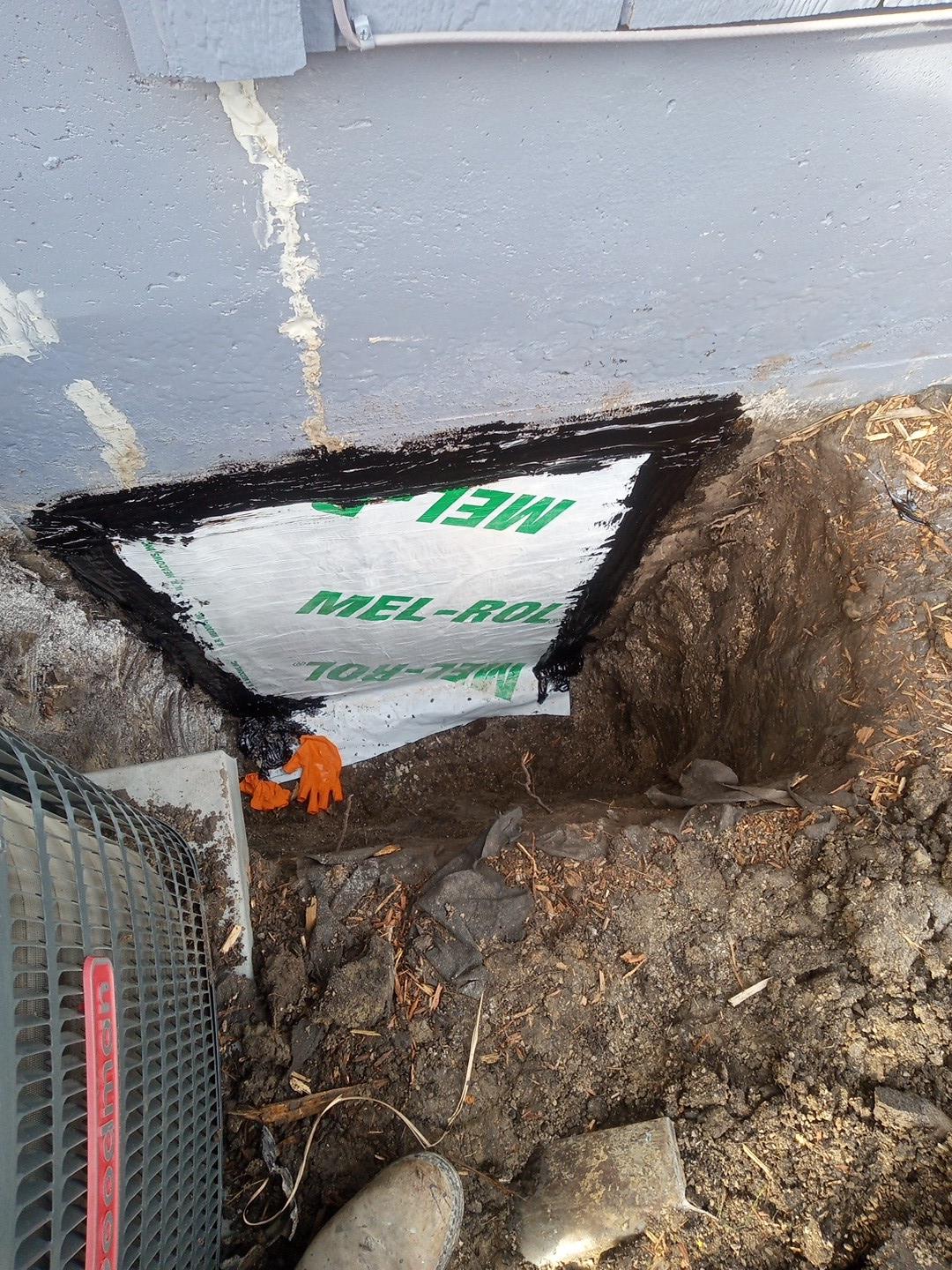
Exterior waterproofing solutions work by preventing water from entering your home in the first place. This involves excavating around your foundation and applying a waterproof barrier. Though more invasive and costly, this method is highly effective in stopping leaks. For those who prefer an external approach, this is your best bet. It not only stops water but also protects your foundation from the damaging effects of expanding clay soils.
Foundation Crack Injection
Foundation crack injection is a targeted solution for sealing cracks in your walls. This method involves injecting a special material into the cracks to seal them from the inside. It’s a quick and cost-effective fix for minor leaks. However, it’s important to identify the underlying cause of the cracks to ensure they don’t reappear. This solution is ideal for minor cracks but should be paired with other waterproofing methods for comprehensive protection.
Long-term Prevention and Maintenance

After addressing immediate water issues, focus on long-term prevention. Regular maintenance can help protect your foundation and prevent future problems.
Grading and Downspout Enhancements
Proper grading and effective downspouts are essential for directing water away from your home. Ensure your yard slopes away from your foundation. Downspouts should extend at least six feet from your home to prevent water from pooling near the foundation. Simple adjustments can make a big difference in keeping your basement dry.
Crawl Space Encapsulation
Crawl space encapsulation involves sealing your crawl space with a vapor barrier to keep moisture out. This solution is effective in maintaining a dry, mold-free environment. It’s especially useful in areas with high humidity or homes with crawl spaces prone to moisture issues. Encapsulation can prevent structural damage and improve indoor air quality.
Sump Pump and Battery Backup Systems
Installing a sump pump system provides a reliable way to remove water from your basement. Pairing it with a battery backup ensures it continues to work during power outages. Regular maintenance and testing of your sump pump are vital to its effectiveness. A sump pump is a crucial line of defense against water intrusion, giving you peace of mind during storms.
Frequently Asked Questions
What causes foundation leaks in Kansas City?
Foundation leaks in Kansas City are often caused by the region’s clay soils. These soils expand and contract with moisture, putting pressure on foundations and causing cracks.
How can I tell if my basement has water intrusion?
Signs of water intrusion include damp spots, a musty smell, and efflorescence on basement walls. Monitoring your basement after heavy rain can also help identify water entry points.
What is the best waterproofing solution for my home?
The best solution depends on your specific situation. Interior drain tile systems, exterior waterproofing, and crack injection are all effective, but a professional assessment can determine the best fit.
How do I maintain a dry basement long-term?
Regularly check your grading and downspouts, encapsulate crawl spaces, and ensure your sump pump is functional. These steps help manage water around your foundation and prevent future issues.
Why is a battery backup important for my sump pump?
A battery backup ensures your sump pump continues to operate during power outages, providing continuous protection against basement flooding.
Subscribe or Call for a consultation today