
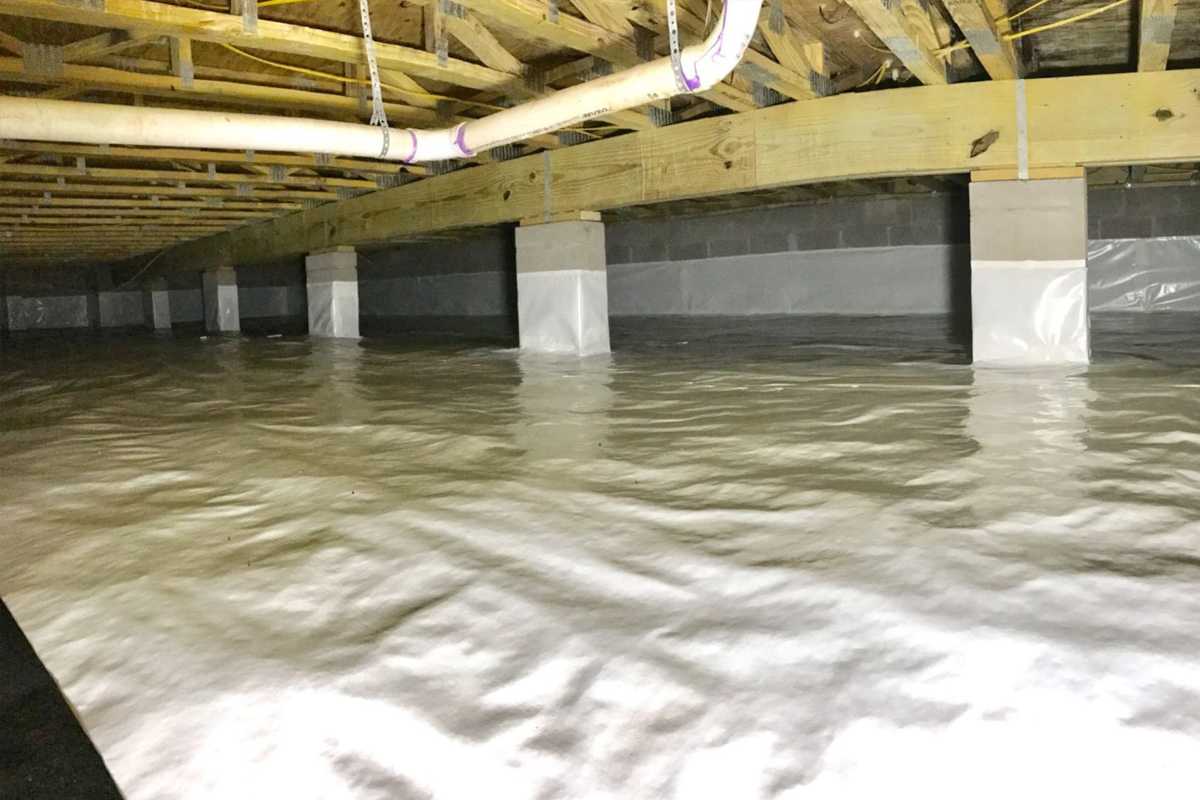
Cold floors in January and a musty smell coming up through the floor vents are two of the most common complaints we hear from Kansas City homeowners. In many of these homes, the problem starts below the floor, and you should insulate your crawl space once moisture is under control.
Why You Should Insulate Your Crawl Space in Kansas City
In most Kansas City homes, crawl space insulation is worth the investment. It keeps floors warmer, protects pipes and ducts, and reduces energy loss. It only works when the crawl space stays dry.
In a sealed crawl space, insulating the foundation walls usually performs better and uses less material than insulating the subfloor.
Signs Your Crawl Space Needs Insulation
Watch for these clues in your home:
- Floors that feel cold in winter, even with the heat running
- Pipes that freeze or come close to freezing
- HVAC ducts running through an open, unconditioned crawl space
- Heating and cooling bills that keep climbing
- Sweating ducts or damp wood during summer
That last sign points to a moisture problem, and it needs attention before any insulation goes in.
Fix Moisture Before You Insulate
Kansas City crawl spaces deal with humid summers, heavy spring rain, and clay soil that holds water against the foundation. Wet insulation loses R-value, sags out of place, and feeds mold and wood rot.
Our team follows this order:
- Correct grading, gutters, and drainage
- Install a ground vapor barrier
- Seal air leaks and add a dehumidifier when needed
- Add insulation
Insulation controls heat. Encapsulation controls moisture and air. The two work best as a pair.
Key Takeaway: Insulation in a damp crawl space will fail. Dry the space first, then insulate.
Where Insulation Belongs: Vented vs Sealed Crawl Spaces
Vented Crawl Spaces: Insulate the Subfloor
In a vented crawl space, insulation goes between the floor joists. This costs less up front. The drawback is that ducts and pipes sit on the cold side, and humid summer air still enters through the vents.
Sealed Crawl Spaces: Insulate the Walls
In a sealed or encapsulated crawl space, insulation goes on the foundation walls. Ducts and pipes stay inside the conditioned area, and the walls usually cover less square footage than the full subfloor.
Rim Joists: The Most Overlooked Leak
The rim joist sits on top of the foundation wall and is one of the biggest air leaks in a home. Spray foam, or rigid foam cut to fit and sealed at the edges, closes that gap.
Pro Tip: Leave a few inches uncovered at the top of foundation wall insulation. This lets an inspector check for termites without removing anything.
How Much Insulation Kansas City Homes Need
Kansas City sits in IECC Climate Zone 4A. The 2021 International Energy Conservation Code sets these minimums for Zone 4:
- Floor over a crawl space: R-19
- Crawl space walls: R-10 continuous or R-13 cavity insulation
Code adoption varies by city, so confirm which edition your municipality follows.
Pros and Cons of Crawl Space Insulation
Benefits
- Warmer floors and fewer drafts
- Protection for plumbing and ductwork during cold snaps
- Lower energy bills, especially when ducts run through the crawl space
- Better indoor air, since crawl space air naturally rises into your living space
Drawbacks
- Mold and rot if moisture is not controlled
- Rodents and insects nesting in fiberglass or unprotected foam
- Leaks, rot, or termite damage hidden behind insulation
- Upfront cost that takes years to recover through energy savings
- Exposed foam usually needs an ignition or thermal barrier to meet fire code
Sealing a crawl space can also affect radon levels, so we recommend radon testing afterward.
Get expert help with your crawl space. Contact KC Pier for a free consultation.
Best Insulation Materials for Crawl Spaces
Top Choices for Kansas City Homes
| Material | Best Location | Moisture Resistance | R-Value per Inch |
|---|---|---|---|
| Closed-cell spray foam | Walls, rim joists | High | About R-6 to R-7 |
| XPS or EPS rigid foam | Walls | High | About R-4 to R-5 |
| Mineral wool batts | Subfloor | Moderate | About R-4 |
| Fiberglass batts | Subfloor (dry, vented only) | Low | About R-3 to R-4 |
Closed-cell spray foam also acts as an air barrier and handles humidity well. Rigid foam works on walls when the seams are taped and sealed. For subfloors, mineral wool resists moisture and pests better than fiberglass.
Materials to Avoid
- Open-cell spray foam: absorbs water
- Unfaced fiberglass in a damp space: traps moisture against wood
- Cellulose: soaks up water and settles
Pro Tip: Polyiso board loses some R-value in cold temperatures, and its facers can break down in damp conditions. Ask your installer whether it suits your space.
Common Crawl Space Insulation Mistakes
- Insulating before fixing water problems
- Facing the vapor retarder toward the dirt instead of the heated floor above
- Skipping supports, so batts sag away from the subfloor
- Closing vents without a vapor barrier, dehumidifier, or conditioned air, which building code requires for unvented crawl spaces
- Covering rotted or damaged joists instead of repairing them
Our Verdict for Kansas City Homeowners
When You Should Insulate Your Crawl Space Right Away
A dry, vented crawl space with no ducts can use faced batts or mineral wool in the subfloor. If ducts or pipes run through the space, sealing it and insulating the walls gives better results.
When to Fix Moisture or Damage First
Musty odors, standing water, or sagging floors call for drainage work, encapsulation, or a structural inspection first. Insulation comes last.
Key Takeaway: The right insulation depends on whether your crawl space is vented, sealed, dry, or damp. Get that diagnosis before buying materials.
Frequently Asked Questions
Crawl Space Vents: Open or Closed
In a vented design, keep the vents open. Closing them without a vapor barrier and moisture control traps humidity and invites mold.
How Insulation Affects Floor Temperature
Floors above an insulated, air-sealed crawl space stay noticeably warmer in winter. Most homeowners feel the difference in the first cold snap.
Get Your Crawl Space Ready for Insulation
Insulation pays off when the space beneath your home is dry, sealed, and structurally sound. Our team inspects crawl spaces across the Kansas City metro and handles crawl space repair, vapor barriers, dehumidifiers, and drainage.
Schedule a free consultation with our team. We’ll check moisture, structure, and airflow, then tell you whether you should insulate your crawl space now or fix moisture first.